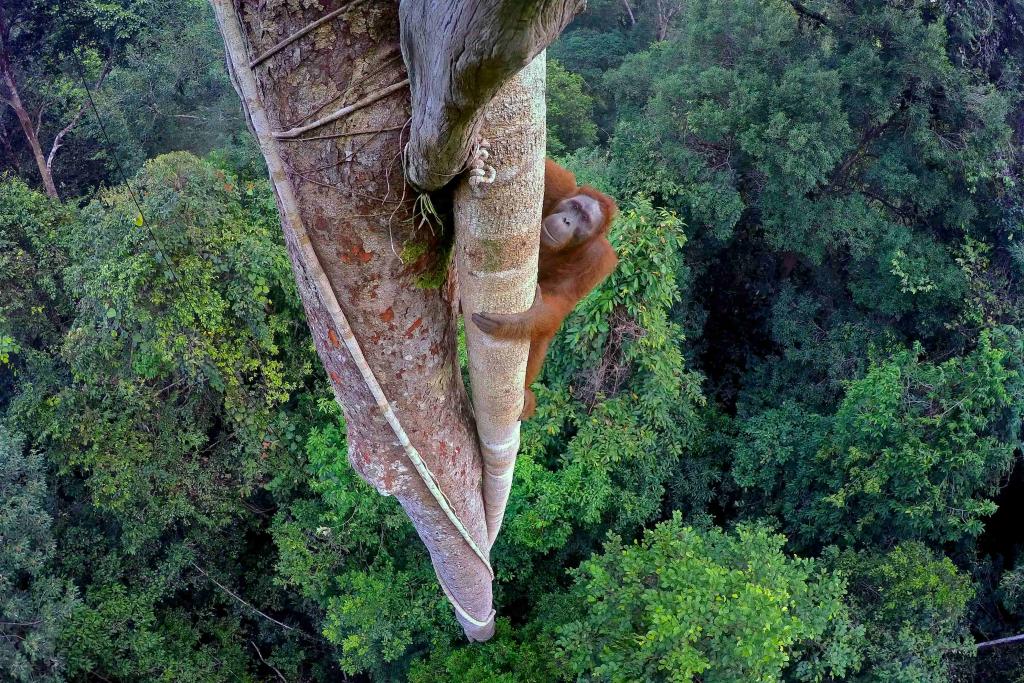
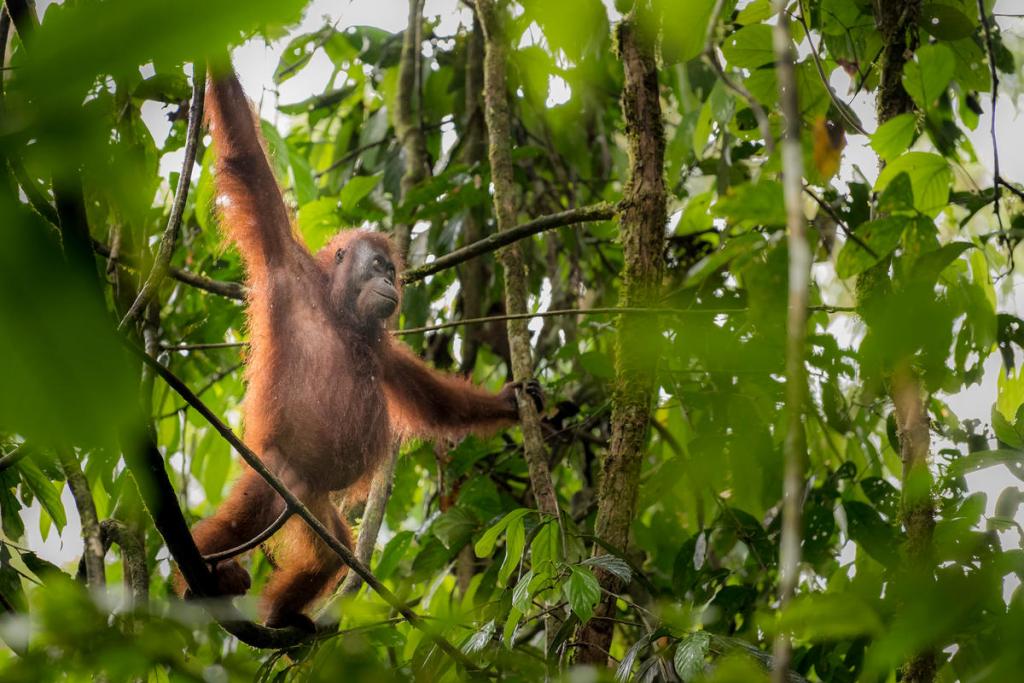
Jakarta: For an orangutan, the forest is more than a place to live. It is food, shelter, territory and a route to another part of the forest when resources disappear.
Much of that world is disappearing.
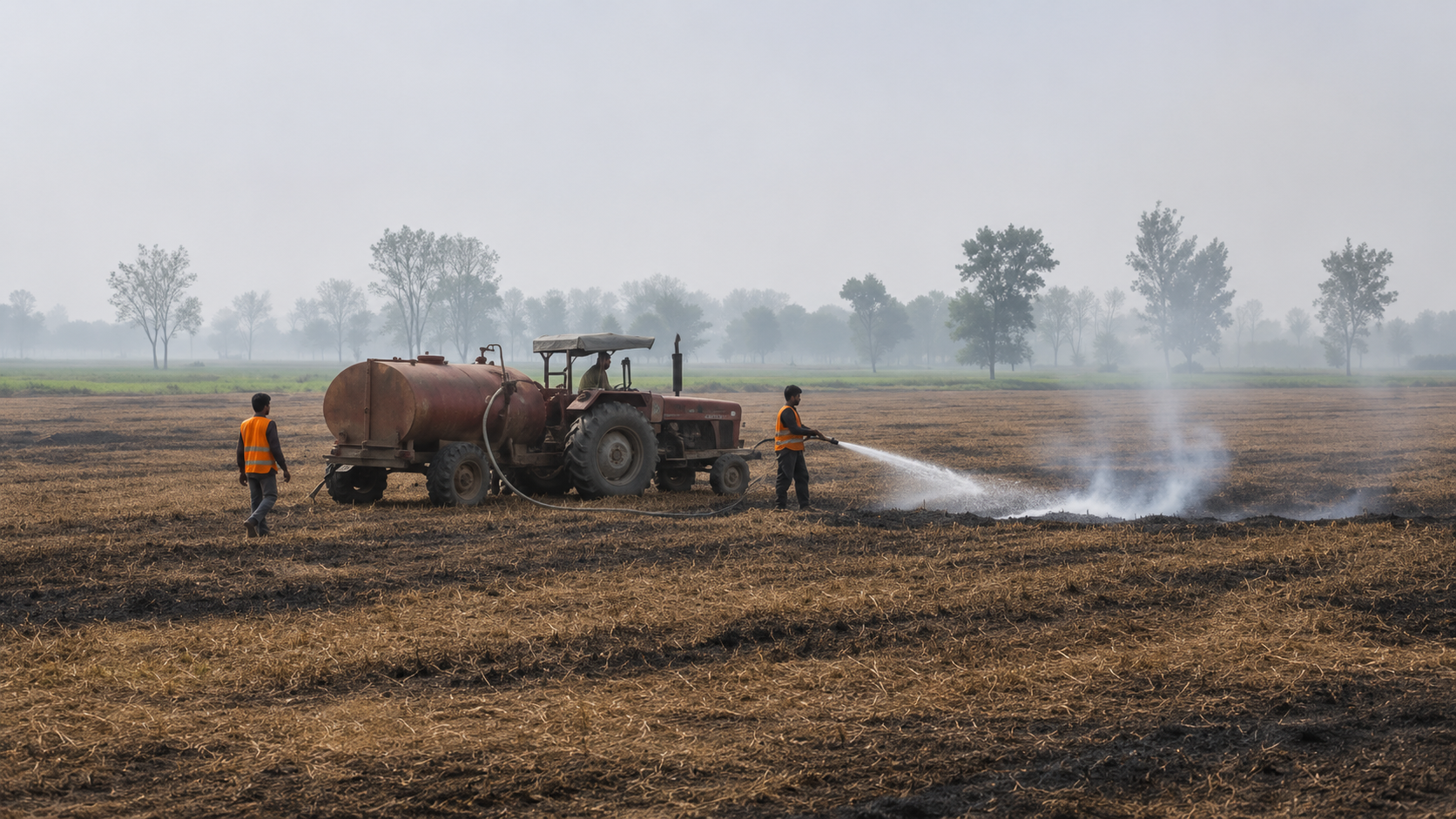
Recent fires in Indonesia are adding to the pressure. In Borneo, wildfires have spread through orangutan habitat, threatening forests, food sources and nesting areas.
Several orangutans have been rescued from fire affected areas, while at least one rescued animal suffered breathing problems after exposure to thick smoke.
Conservation estimates indicate that more than 60 per cent of orangutan habitat in Indonesia and Malaysia has been destroyed over the past four decades. Bornean orangutans alone have lost at least 55 per cent of their habitat over the past 20 years.
It is pertinent to note that the destruction has taken different forms. Forests have been cleared for oil palm and other agriculture, logged for timber, converted for plantations and affected by mining and infrastructure development.
Fires, including those deliberately started to clear land, can further degrade remaining forests.
The result is not simply less forest. It is a landscape increasingly broken into isolated pieces.
That fragmentation can separate orangutan populations that once moved through connected forests. When forests are cleared, orangutans can be pushed towards farms and plantations in search of food, increasing the possibility of conflict with people. Hunting and the illegal wildlife trade can then add another layer of pressure.
The latest research from Sumatra shows how complicated the crisis has become. A 2026 study of the Tapanuli orangutan's remaining habitat in Batang Toru found that agriculture and logging accounted for about 70 per cent of direct forest loss, while major mining, energy and infrastructure projects added further pressure.
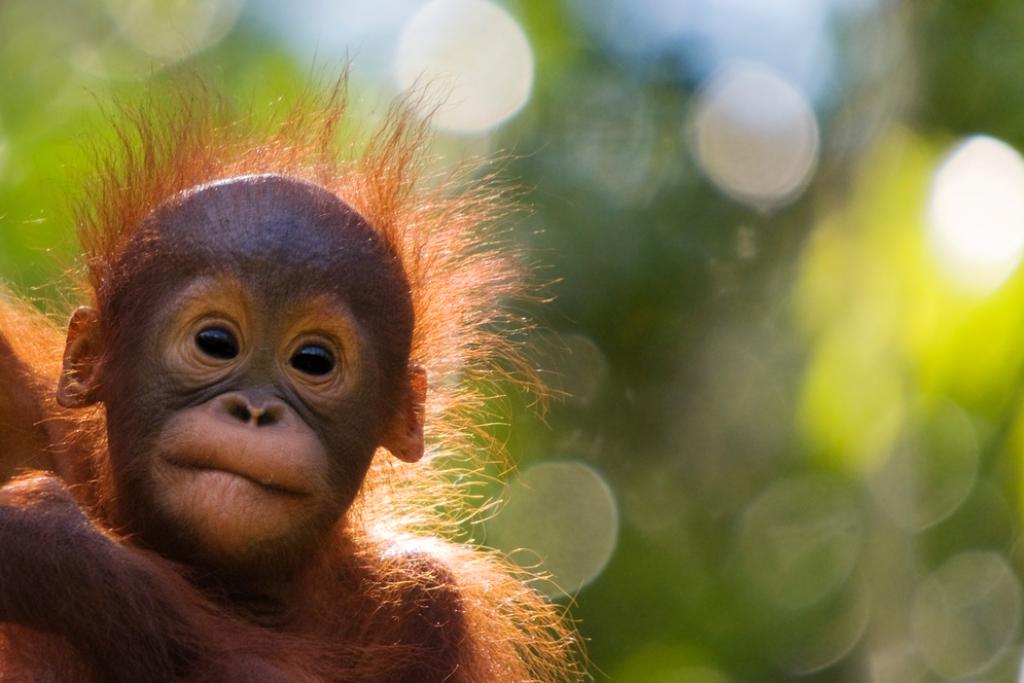
The Tapanuli orangutan is particularly vulnerable. Fewer than 800 are estimated to remain in three isolated populations, making it the world's rarest great ape.
Now climate extremes are creating another danger.
Research published this year found that extreme rainfall in 2025 triggered landslides across about 8303 hectares of Tapanuli orangutan habitat. Researchers estimated that around 11 per cent of the population in the affected western block may have died, with rapid debris flows leaving the animals little chance to escape.
This creates a dangerous cycle. Forest loss leaves populations smaller and more fragmented, while extreme weather can then wipe out animals from already restricted areas. Smaller populations also have fewer options for moving into safer territory.
The problem extends beyond the orangutans themselves. Tropical forests store carbon, regulate water and support thousands of other species. When they are replaced by plantations, roads or degraded land, those ecological functions are weakened as well.
And orangutans cannot simply move somewhere else indefinitely. They exist naturally only on Borneo and Sumatra, and their slow reproduction makes recovery particularly difficult. Female orangutans typically give birth only once every several years, meaning population losses cannot be quickly replaced.
The shrinking forest therefore represents more than the loss of an animal's habitat. It is the narrowing of the space in which an entire species can survive.
The orangutan is being left with an increasingly fragmented world. The question now is how much of that world will remain before the forests become too broken to sustain them.