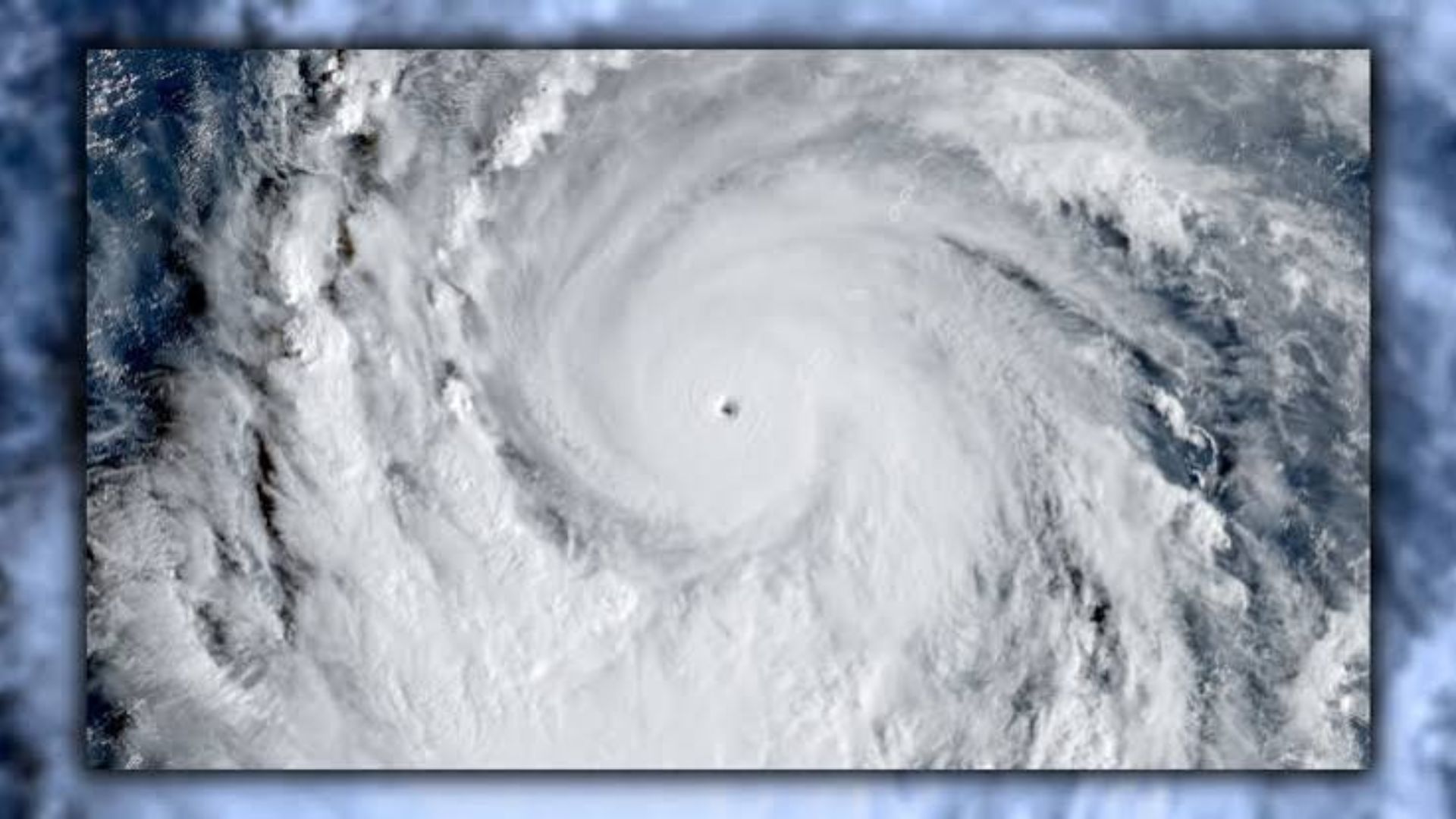
Manila: Super Typhoon Champi has become the world’s strongest tropical cyclone of 2026 so far by wind speed, reaching an estimated peak of 296 kilometres per hour over the western Pacific.
The Weather Network reported that Champi’s peak winds exceeded those of Hurricane Polo, the previous leader this year. Polo, however, recorded a lower central pressure, illustrating why a storm’s ranking depends on the measurement used.
Champi is called Rosal in the Philippines. Although hurricanes and typhoons are the same type of rotating tropical storm, their names differ according to the ocean basin in which they occur.
Its peak strength was equivalent to Category Five on the hurricane wind scale. That classification describes wind intensity; coastal flooding, rainfall and dangerous waves also determine the damage a storm can cause.
The latest Philippine weather bulletin reviewed for this report placed Champi about 495 kilometres east of Basco, Batanes, moving northwest at 20 kilometres per hour. PAGASA reported sustained winds of 195 kilometres per hour and gusts reaching 240 kilometres per hour, below its earlier peak.
The distinction matters: the widely circulated 296 kilometre figure describes peak intensity rather than the storm’s strength at every subsequent update.
Forecast guidance published late on October 21 projected a turn northwards and then northeastwards towards Japan. It indicated possible landfall over Kyushu several days later, while emphasising uncertainty over the track and timing.
The same guidance expected further weakening as Champi encountered cooler water and stronger wind shear, which can disrupt a tropical cyclone’s structure.
Weakening does not eliminate the danger. PAGASA warned of hazardous seas and urged vessels in affected waters to remain in port or seek shelter until conditions improved.
For coastal communities, the immediate concern is the storm’s changing local impact rather than its global ranking. Forecast revisions, marine warnings and instructions from local authorities will determine preparedness as Champi continues across the western Pacific.
PAGASA stands for the Philippine Atmospheric, Geophysical and Astronomical Services Administration (also known as DOST-PAGASA). It is the national meteorological, hydrological, and astronomical agency of the Philippines.