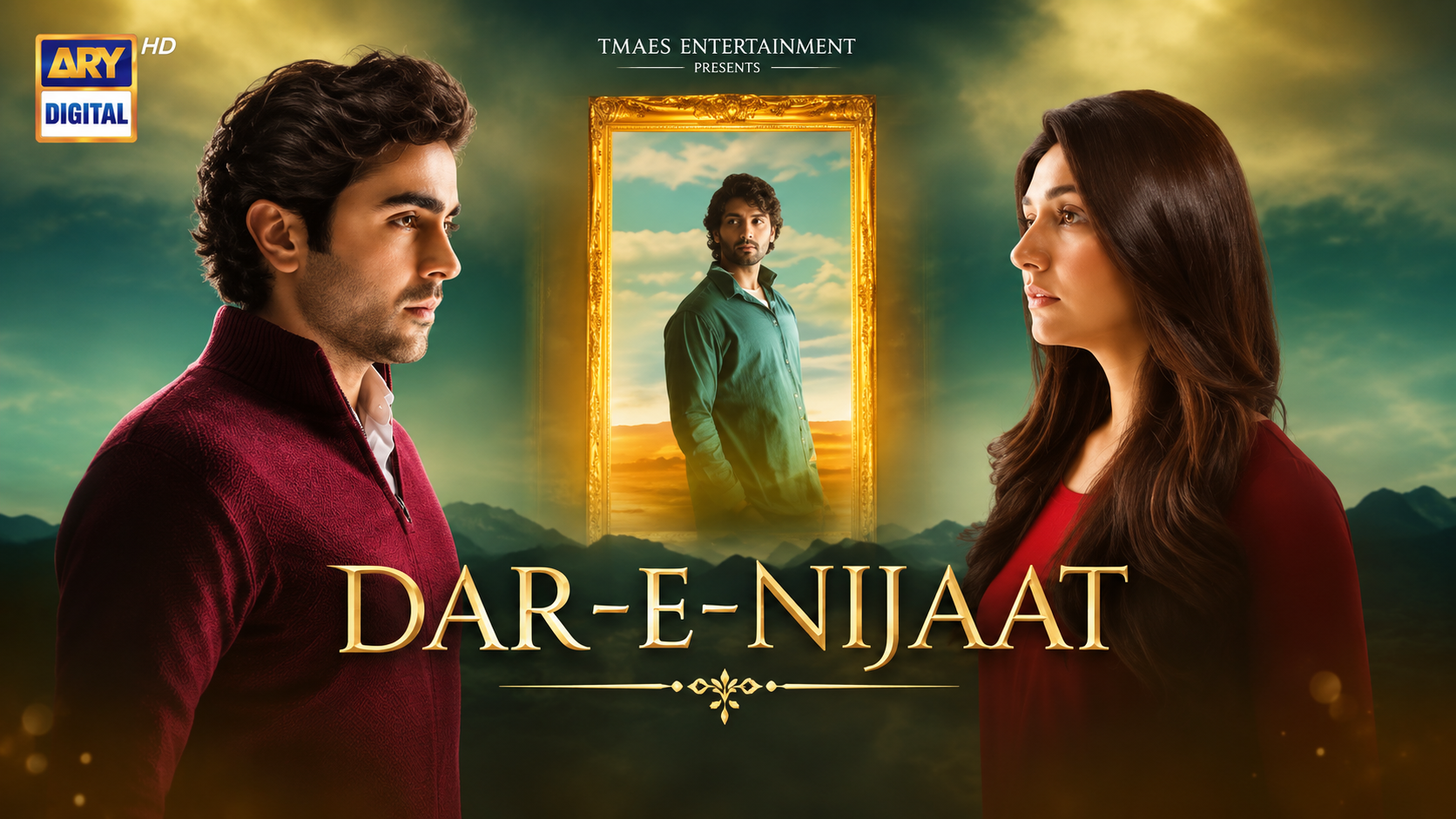
Karachi: Pakistani actor Sheheryar Munawar has spoken about the portrayal of forgiveness and redemption in television dramas, arguing that characters who make mistakes are often denied the opportunity to change. Discussing the characters Zaryab and Abu Bakar in Dar e Nijaat, Munawar questioned why conventional drama narratives tend to favour tragedy rather than reconciliation.
“In our dramas, they would rather show Abu Bakar dying than accept Zaryab's apology and redemption,” he said, according to remarks shared by entertainment platform Galaxy Lollywood.
The actor's comments centred on Zaryab's character development and the importance of recognising that a person's actions do not necessarily define their entire identity. Munawar argued that making a mistake should not automatically mean a character is beyond forgiveness, particularly when the storyline explores accountability, remorse and personal change.

Challenging conventional drama narratives
Munawar's remarks raise questions about how Pakistani television portrays characters who have acted wrongly and subsequently seek forgiveness. In many television narratives, conflict is resolved through punishment, separation or tragedy. Munawar's comments suggest that reconciliation can also provide a meaningful conclusion when supported by a character's development.
The actor highlighted his responsibility as a storyteller to explore narratives that move beyond established dramatic conventions. His observations also distinguish forgiveness from the absence of accountability. A redemption storyline depends on whether a character recognises their actions and demonstrates a willingness to change.
Forgiveness and character development
The discussion surrounding Zaryab and Abu Bakar reflects a wider question in television storytelling: whether a character who has caused harm should be allowed to rebuild relationships or remain defined by earlier decisions. Munawar's comments favour exploring the possibility of change rather than treating a tragic ending as the only acceptable consequence.
Such narratives can also examine the perspective of the person being asked to forgive, including whether reconciliation is justified and how trust might be restored. The remarks shared by Galaxy Lollywood did not establish whether the storyline would ultimately lead to reconciliation between the characters.
Munawar's comments instead focused on the choices available to writers and performers when depicting mistakes, forgiveness and redemption in Pakistani television.