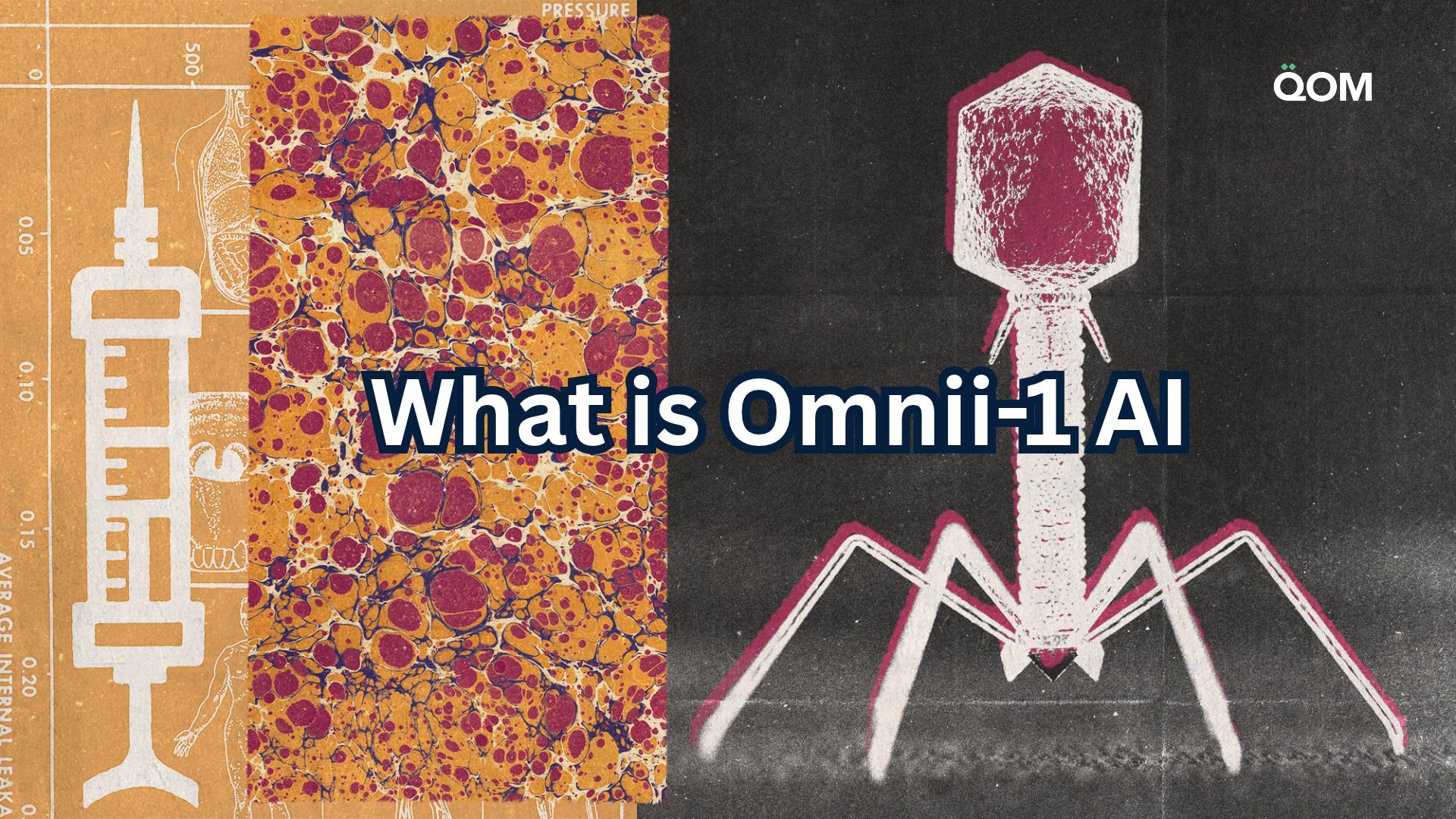
Washington: A new artificial intelligence model called Omnii 1 is drawing attention after its designs were used in an experimental treatment for a patient with an antibiotic resistant bacterial infection.
Developed by US based biotechnology startup Radical Numerics, Omnii-1 is designed to understand biological information and help researchers develop new ways to work with DNA, proteins and other parts of living systems.
The model is not a virus itself. Instead, it helps scientists design bacteriophages, which are viruses that naturally infect and destroy bacteria. These viruses do not target human cells in the same way they target bacteria, making them a possible tool for treating certain difficult infections.
How does Omnii 1 work?
Omnii 1 is a multimodal genome language model. In simple terms, it is an AI system trained to understand different types of biological data, including DNA, RNA and proteins.
According to Radical Numerics, the model was trained on trillions of biological data points across 28 different biological information types. This allows it to study how different parts of living systems are connected and use that information to make predictions.
One of its applications, called Omnii Phage, focuses on designing viruses that can attack specific bacterial strains.
Scientists usually have to search through collections of naturally occurring bacteriophages and test them against bacteria taken from a patient. This process can take time because a virus that works against one bacterial strain may not work against another.
Omnii-1 aims to make this process more targeted. It can help researchers design changes in a phage's genetic material and predict whether the resulting virus could recognise and infect a particular type of bacteria.
The researchers then test the designs in laboratories to check whether they work.
Why has Omnii-1 made headlines?
Radical Numerics reported that its AI designed phages were used in a human patient under an authorised compassionate-use programme. Before the treatment, researchers tested the designed viruses against bacteria collected from the patient. The company said the experimental combination of phages successfully eliminated the drug resistant bacteria in laboratory tests.
The treatment was later administered under medical supervision through a programme that allows patients with serious conditions to receive experimental treatments when suitable alternatives are unavailable.
The company has not disclosed the patient's medical progress or treatment outcome to protect their privacy. Therefore, it is not yet possible to say whether the treatment cured the infection.
Can AI-designed viruses replace antibiotics?
The development could offer another option for patients whose infections no longer respond to available antibiotics. However, it is too early to suggest that AI designed phages can replace conventional medicines. Phage treatment also has limitations. A virus must be suitable for the particular bacteria causing an infection, and laboratory results do not always predict what will happen inside the human body.
More research and clinical testing will be needed to establish the safety and effectiveness of these treatments.
For now, Omnii 1 represents an important step in the use of AI in medical research. Its first reported human application also raises the possibility of developing more personalised treatments for infections that have become increasingly difficult to treat with existing drugs.