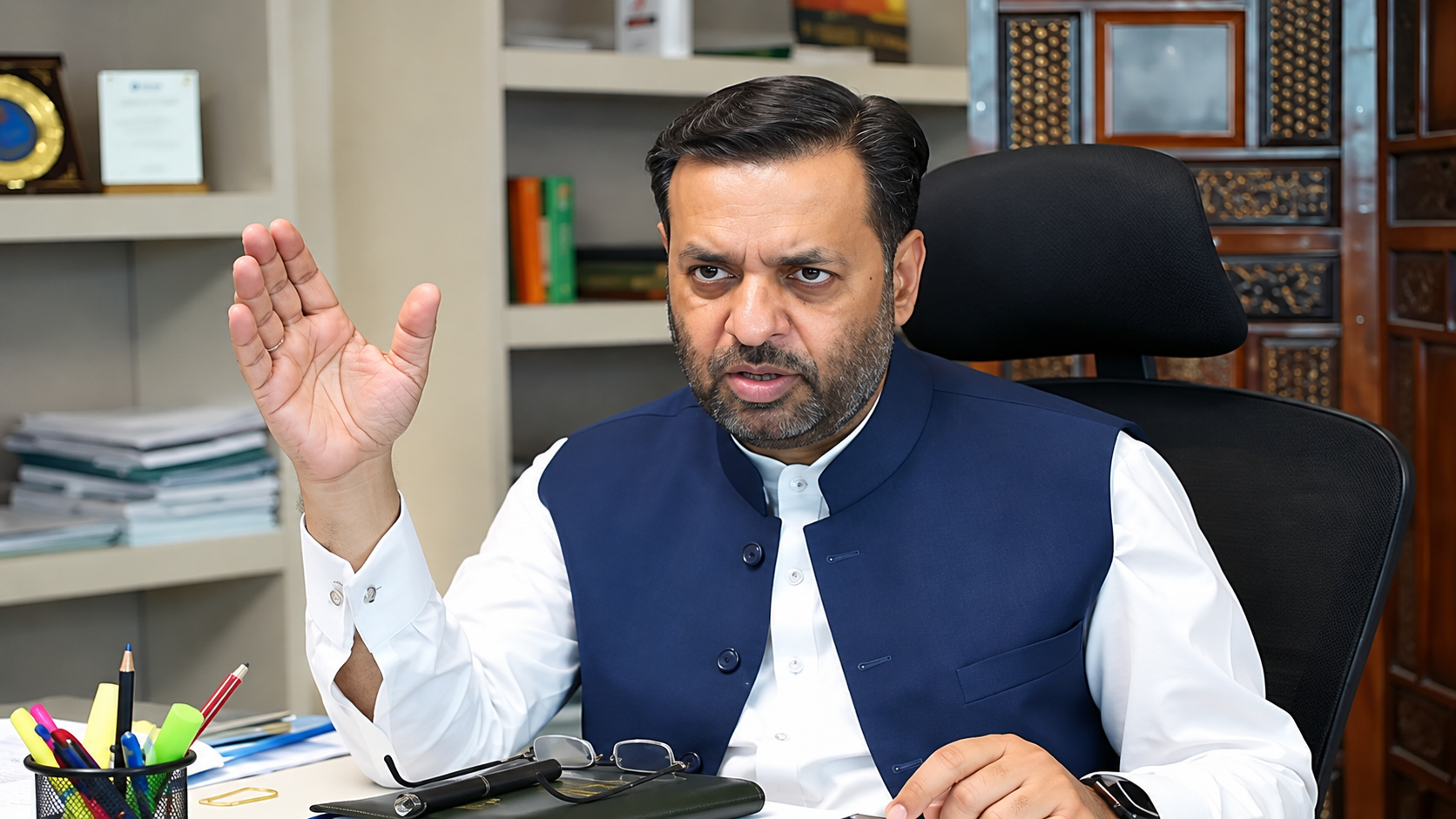
Karachi: More than 86000 medicines manufactured by pharmaceutical companies have been registered under Pakistan's Track and Trace System, enabling consumers to verify their authenticity and check prices using mobile phones, Federal Health Minister Mustafa Kamal said on Saturday.
Speaking to members of the Korangi Association of Trade and Industry (KATI), Kamal said the initiative was part of the government's efforts to digitalise pharmaceutical regulation and improve public access to information about medicines.
Under the system, consumers can scan registered products using their mobile phones to check whether they are genuine and obtain pricing information.
The minister said pharmaceutical companies could now register medicines and other products online, reducing a process that previously took years to 21 days. He added that the Drug Regulatory Authority of Pakistan (DRAP), which oversees the regulation of medicines and pharmaceutical products, had shifted its certification procedures to a digital platform.
According to Kamal, more than 5000 cases have been processed during the eight months since the transition. The changes are intended to reduce administrative delays for pharmaceutical manufacturers while strengthening oversight of medicines entering the market.
However, the minister did not provide figures showing how many consumers have used the verification system or how many counterfeit or incorrectly priced products have been identified through it.
Medicine prices remain under cabinet review
Kamal also addressed the issue of medicine pricing, saying pharmaceutical manufacturers had sought increases that were being considered by the federal cabinet. He acknowledged the competing concerns surrounding the decision, particularly the financial burden on patients and the availability of medicines.
According to the minister, higher prices could make treatment less affordable for households, while maintaining existing prices could discourage the supply of certain medicines, particularly those used to treat serious illnesses. He said shortages sometimes forced patients to purchase medicines through unauthorised sellers at up to three times their regular price.
The pricing debate reflects the challenges facing Pakistan's pharmaceutical sector, where manufacturers must account for production costs and supply requirements while patients depend on access to affordable treatment.
For consumers, medicine price increases can add to healthcare expenses, particularly for people requiring treatment over extended periods. For manufacturers, prices that do not cover production and distribution costs can affect the commercial viability of supplying certain products. The government therefore faces the task of balancing medicine affordability with continued availability in pharmacies and hospitals.
Digital registration and product verification may improve traceability and regulatory oversight, but their effectiveness will also depend on implementation, consumer access and action against counterfeit or unauthorised sales. The minister did not announce a decision on the proposed price increases or specify when the federal cabinet would complete its review.
He also did not identify which medicines or therapeutic categories could be affected by any pricing changes.
The government's next decisions on medicine prices will determine how it addresses manufacturers' concerns while seeking to protect patients from additional costs and supply disruptions.