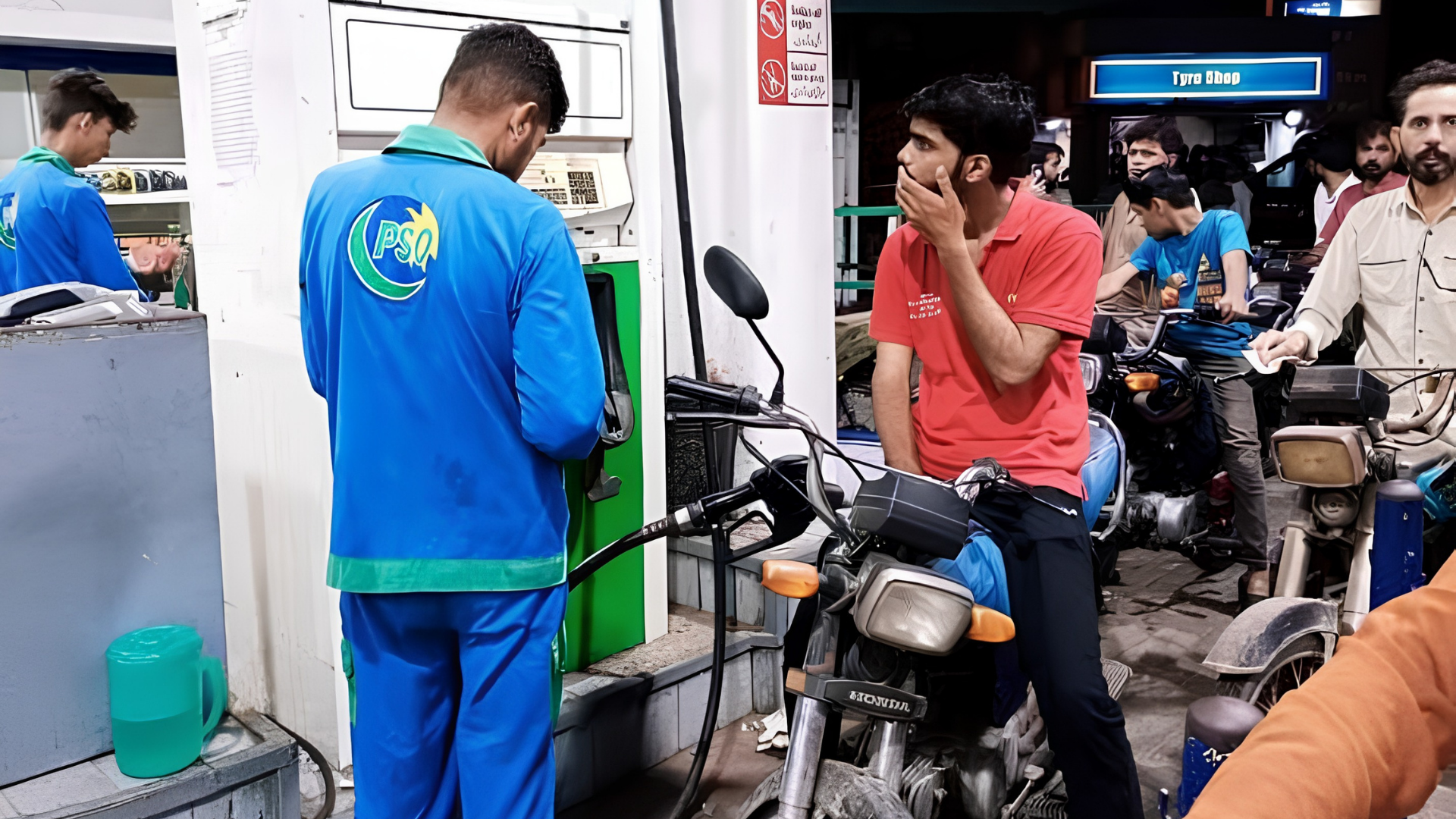
Islamabad: Pakistan's latest change to its petrol pricing system has raised concerns across the oil industry, with local refineries warning that the move could affect billions of dollars in planned investment.
The federal cabinet approved a revised petroleum pricing mechanism on 30 October, requiring refineries to surrender the difference between the actual import cost of petrol and a government set ex refinery price.
Industry estimates suggest the decision could create a financial burden of around Rs 49 per litre for domestic refineries. The change is intended to help provide relief to consumers through a reduction in the petroleum levy.
Under the new arrangement, the government will calculate petrol's import price using the actual cost of Pakistan State Oil's (PSO) relevant imported cargo. However, the ex refinery price will be calculated using the premium, additional import costs and customs duty levels recorded on March 7 2026, before the recent war related market disruption.
The revised mechanism will initially remain in place for 30 days.
Why are refineries concerned?
Oil industry representatives say the new formula could force local refineries to sell petrol below their actual production costs.
According to industry estimates, the Rs 49 per litre impact includes around Rs 35 linked to the revised pricing calculation and a further Rs 14 from customs duty related adjustments.
Refinery executives have also questioned the lack of consultation before the policy change. They argue that frequent changes in government pricing rules make it difficult for businesses to plan operations and attract long term investment. The timing has added to these concerns because Pakistan has recently moved forward with plans to modernise its ageing oil refineries.
The country has been planning an investment of around USD 6 billion to upgrade its existing refineries. The projects aim to improve fuel quality, increase efficiency and enable local facilities to produce Euro 5 standard petroleum products.
Modernised refineries could also help Pakistan reduce its dependence on imported petrol and diesel, making the country less exposed to international supply disruptions. However, refinery upgrades require large amounts of capital and long term financial commitments. Investors and lenders need confidence that government policies will remain stable enough to allow companies to recover their costs.
The latest decision could therefore make financing these projects more difficult if industry concerns remain unresolved. The government faces a difficult balance between providing immediate relief to petrol consumers and maintaining a financially sustainable domestic refining sector.
If the pricing dispute affects investment and modernisation, Pakistan could face greater reliance on imported fuel in the coming years. This means the impact of the new formula may extend beyond refinery profits to the country's wider energy security.