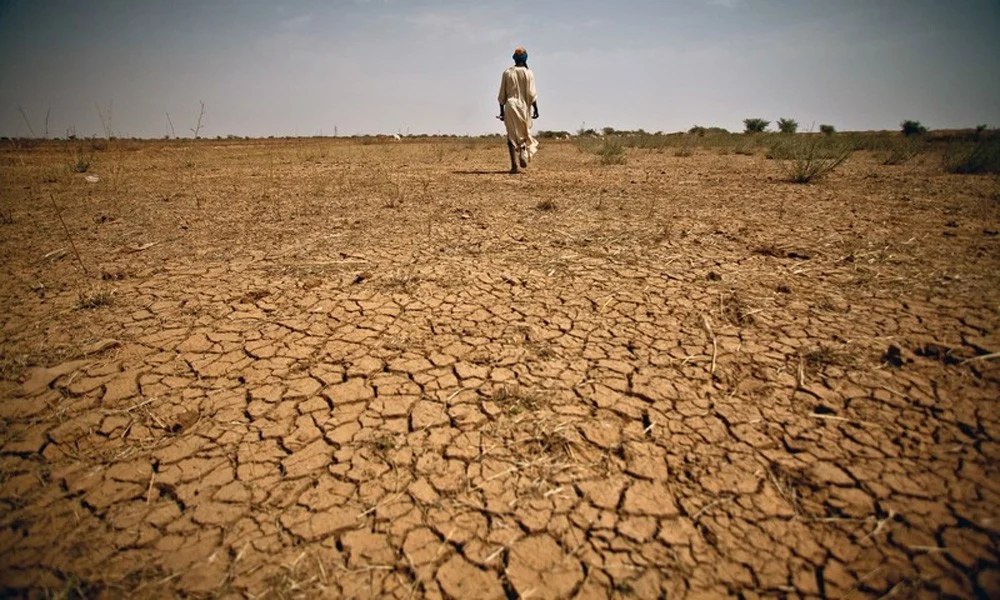
Karachi: Sindh recorded the largest provincial rainfall deficit during Pakistan’s 2026 monsoon season, receiving 50.8 percent less rain than normal, according to data released by the Pakistan Meteorological Department (PMD).
Between July 1 and September 30, Pakistan received 120.5 millimetres of rainfall, 19.3 percent below the normal level for the monsoon period.
Sindh received 71.1mm of rain during the three months. Karachi recorded a 92 percent rainfall deficit over the same period.
Balochistan received 33.7 percent less rainfall than normal, while Azad Jammu and Kashmir recorded a deficit of 18.4 percent. Rainfall in Khyber Pakhtunkhwa was 16.3 percent below normal and Punjab recorded a 3.8 percent shortfall.
Gilgit Baltistan was the only region to record rainfall above its normal monsoon level, receiving 4.6 percent more rain.
The PMD linked the lower rainfall in part to the development and influence of El Niño, a climate pattern that affects weather systems and can alter the distribution and intensity of monsoon rainfall across South Asia.
The department had earlier indicated that El Niño could weaken monsoon activity in the region. It said neighbouring countries also recorded below normal rainfall during the season.
The rainfall shortfall comes as Pakistan enters the Rabi cropping season with an expected water shortage of around 25 percent. The season includes wheat cultivation, making irrigation water availability a factor for agricultural production in the coming months.