“Pakistani troops have been there for decades in Saudi Arabia.” With these words, DG ISPR Lt Gen Ahmed Sharif Chaudhry confirmed in a CNN interview on October 7 that Pakistani forces are already stationed in Saudi Arabia. The irony is hard to miss: the remark came on the third anniversary of the war in Gaza, which began on October 7, 2023.
Why does Pakistan keep troops in a kingdom that has long been stable and counts the US among its closest partners, while Palestinians, dispossessed since 1948 and under occupation since 1967, receive no comparable commitment?
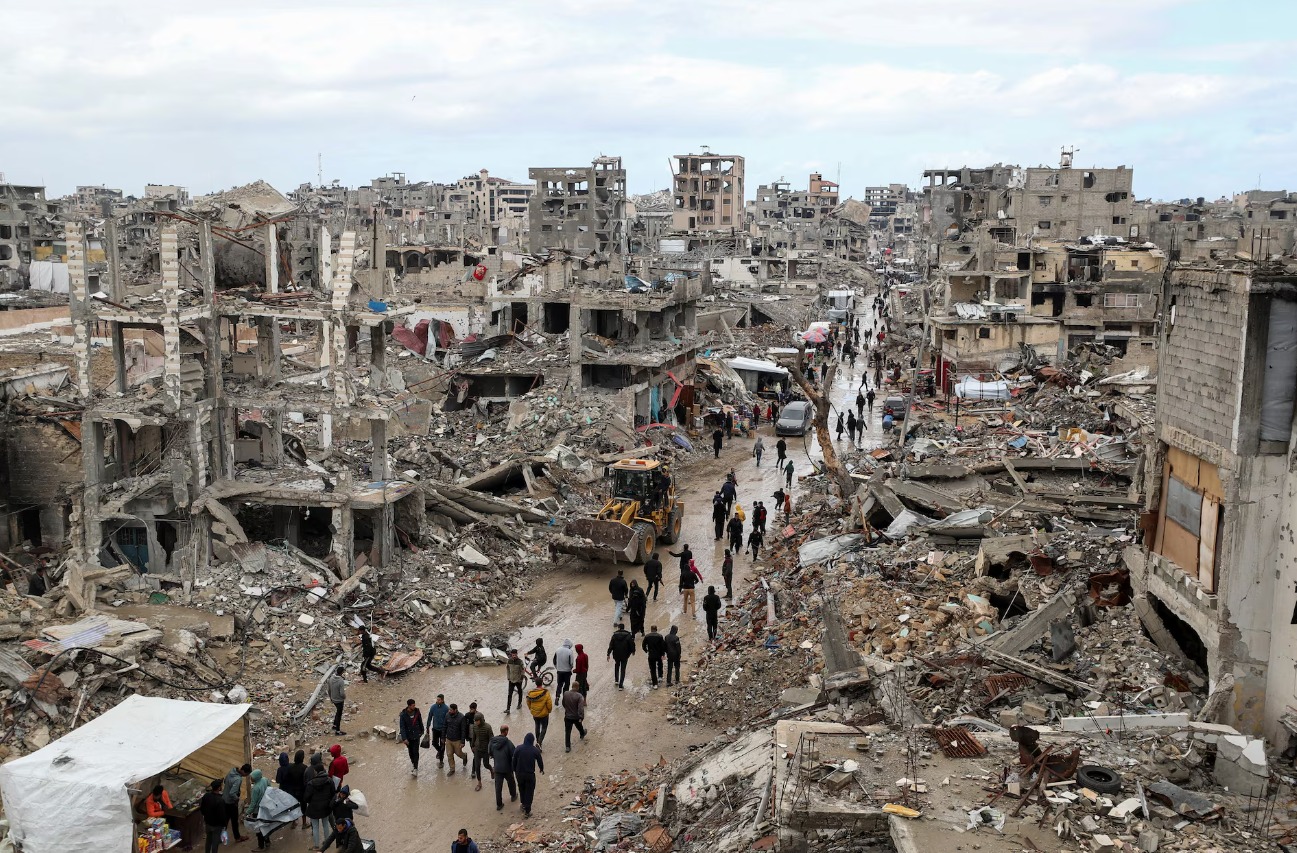
For the past three years, they have endured a devastating war. By June 2026, Gaza’s Health Ministry had recorded more than 73000 deaths. In September 2025, a UN Commission of Inquiry concluded that Occupying forces of Israel had committed genocide in Gaza, a finding the occupying force categorically rejects.
A US brokered ceasefire has been in place since October 10, 2025, yet the ministry says more than 1460 people have been killed since it took effect. Further, the occupying force’s strikes were reported on the anniversary itself.
The power imbalance is stark. The occupying force of 'Israel' is an illegitimately established state with a functioning economy and government, a formidable military and intelligence apparatus, and the diplomatic backing of major powers, above all the US.
While the Palestinians have no sovereign state and no army, and the war has left their economy and infrastructure in ruins. Civilians have been killed, displaced, maimed, and buried under rubble.
Saudi Arabia’s predicament is of a different order. Its adversary are the Yemeni Houthis, officially known as Ansar Allah or Ansarullah, a Zaydi revivalist and Shia Islamist political and paramilitary organization that emerged from Yemen in the 1990s.
Although Houthis control Sanaa and much of northern Yemen, they lack the resources and international standing of a state such as Saudi Arabia.
The threat is nonetheless real: Houthi strikes on Saudi airports this week killed three people and injured 36. But the kingdom is considerably wealthier, better armed and better connected than its attacker, with partners that now include Pakistan and Türkiye.
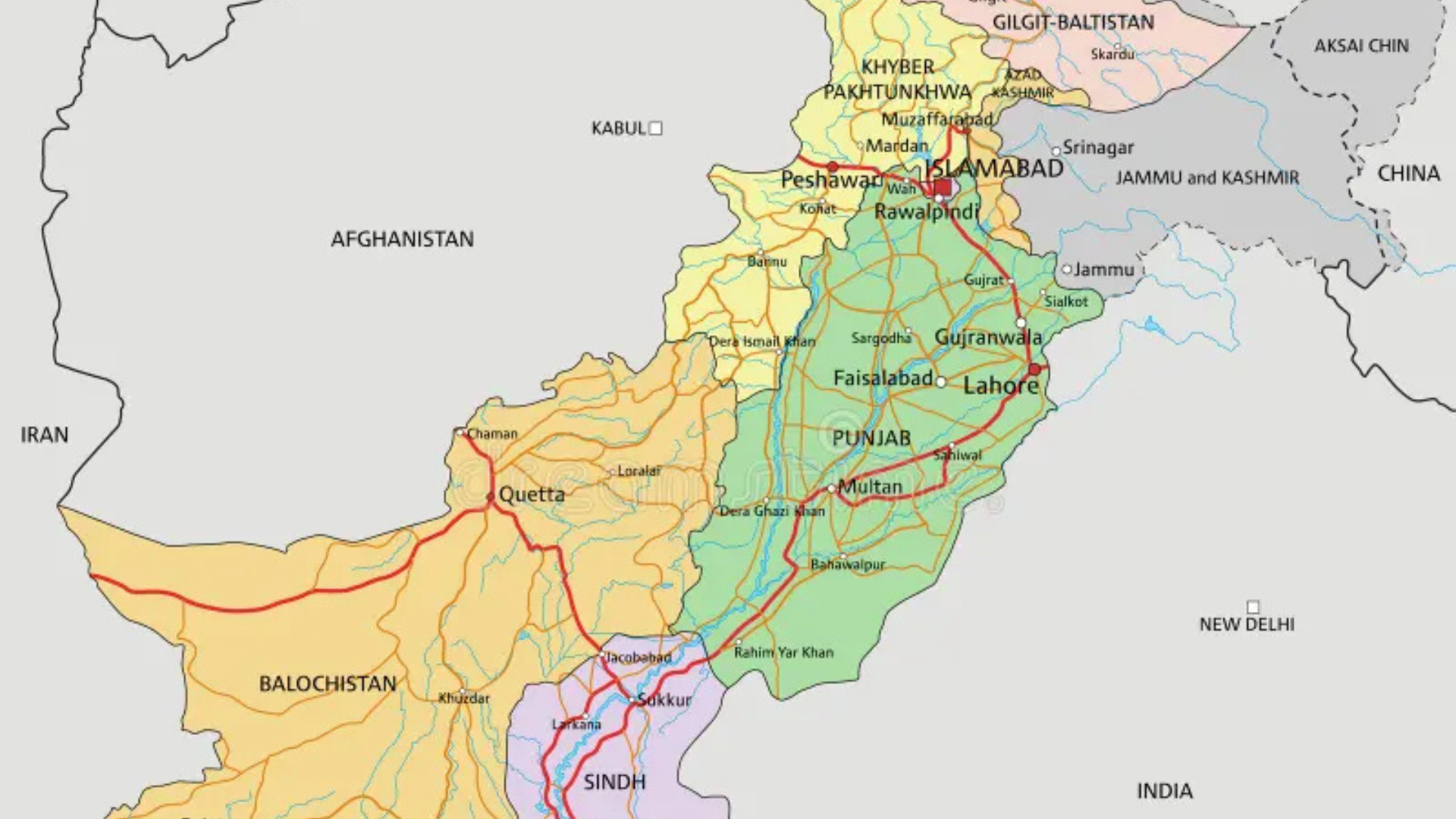
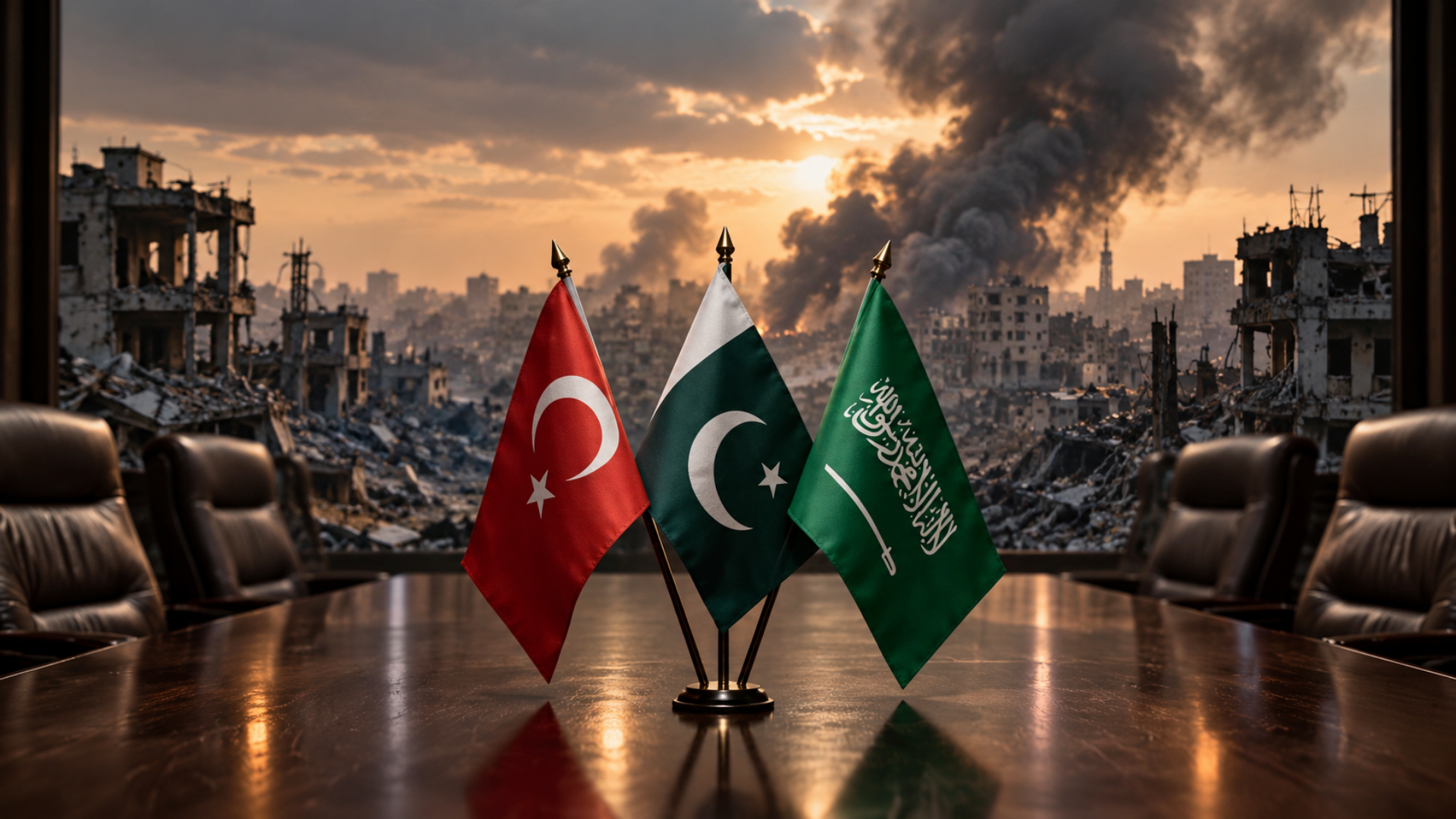
Pakistan formalised its commitment through the Makkah Joint Defence Agreement, which Saudi Arabia and Türkiye signed on August 7, 2026. It builds on the Strategic Mutual Defence Agreement with Riyadh, concluded in September 2025, and on defence cooperation dating back to the 1960s.
It provides that an attack on one signatory is an attack on all. On October 5, the three states agreed to the rapid deployment of forces to Saudi Arabia in response to the Houthi attacks.
One would rationally expect a nuclear armed state that invokes Muslim solidarity to place its military and diplomatic weight at the service of the Palestinians’ protection with at least comparable resolve.
The most common explanation is that Saudi Arabia is home to Makkah and Madinah, Islam’s two holiest cities. The sentiment is understandable, but Al Aqsa Mosque, the first qibla and the third holiest site in Islam, also commands profound reverence among Muslims.
If defending the holy places justifies Pakistan’s deployments, the same principle should apply to Al Aqsa.
A more convincing explanation lies in self interest and external pressure. Saudi Arabia has long been among Pakistan’s principal economic supporters, through cash deposits, deferred oil payments, and employment for Pakistani workers.
Alignment with Riyadh brings financial and strategic benefits, as well as international approval, particularly in Washington: President Donald Trump called the Makkah agreement a “big, bold, and important first step” and said this week that it was “great” that Türkiye and Pakistan wanted to help Saudi Arabia.
Pakistan’s deputy prime minister has suggested the arrangement could become a NATO like alliance if others join. However, Islamabad insists that it is purely defensive and directed at no one. By contrast, support for Palestine risks friction with the occupying force and with Washington.
Pakistan’s support for the Palestinians has, meanwhile, been largely rhetorical and diplomatic: statements, speeches at the UN and appeals within the Organisation of Islamic Cooperation (OIC).
Pakistan does not recognise the occupying forces and, apart from volunteer air force pilots who flew with Arab air forces in 1967 and 1973, has never committed forces to the conflict. Islamabad has said it would consider joining the proposed International Stabilisation Force in Gaza.
Still, it was not among the countries that announced troop commitments in February, and it has stipulated that its soldiers would not be used to disarm Hamas. Such positions earn moral credit and goodwill in the Muslim world, but they offer little tangible protection to Palestinians on the ground.
In effect, Pakistan has chosen the powerful, well connected partner that casts itself as the aggrieved party rather than the genuinely aggrieved people in need of help. One had expected better.