
Islamabad: More than 80 per cent of global merchandise trade by volume travels by sea, carrying everything from oil and food to machinery and consumer goods. Yet the maritime system usually attracts public attention only when a ship is attacked, a port closes, or a blocked route raises prices.
World Maritime Day, observed on the final Thursday of September, seeks to draw attention to this largely unseen system. The theme for 2026 and 2027 is “From Policy to Practice: Powering Maritime Excellence”, focusing on converting international rules into safer, cleaner and more efficient shipping.
The International Maritime Organization (IMO) develops global regulations for shipping safety, maritime security and pollution control.
However, these rules only become effective when governments incorporate them into national law, train maritime personnel and enforce standards at ports and aboard ships.
Why Pakistan depends on the sea
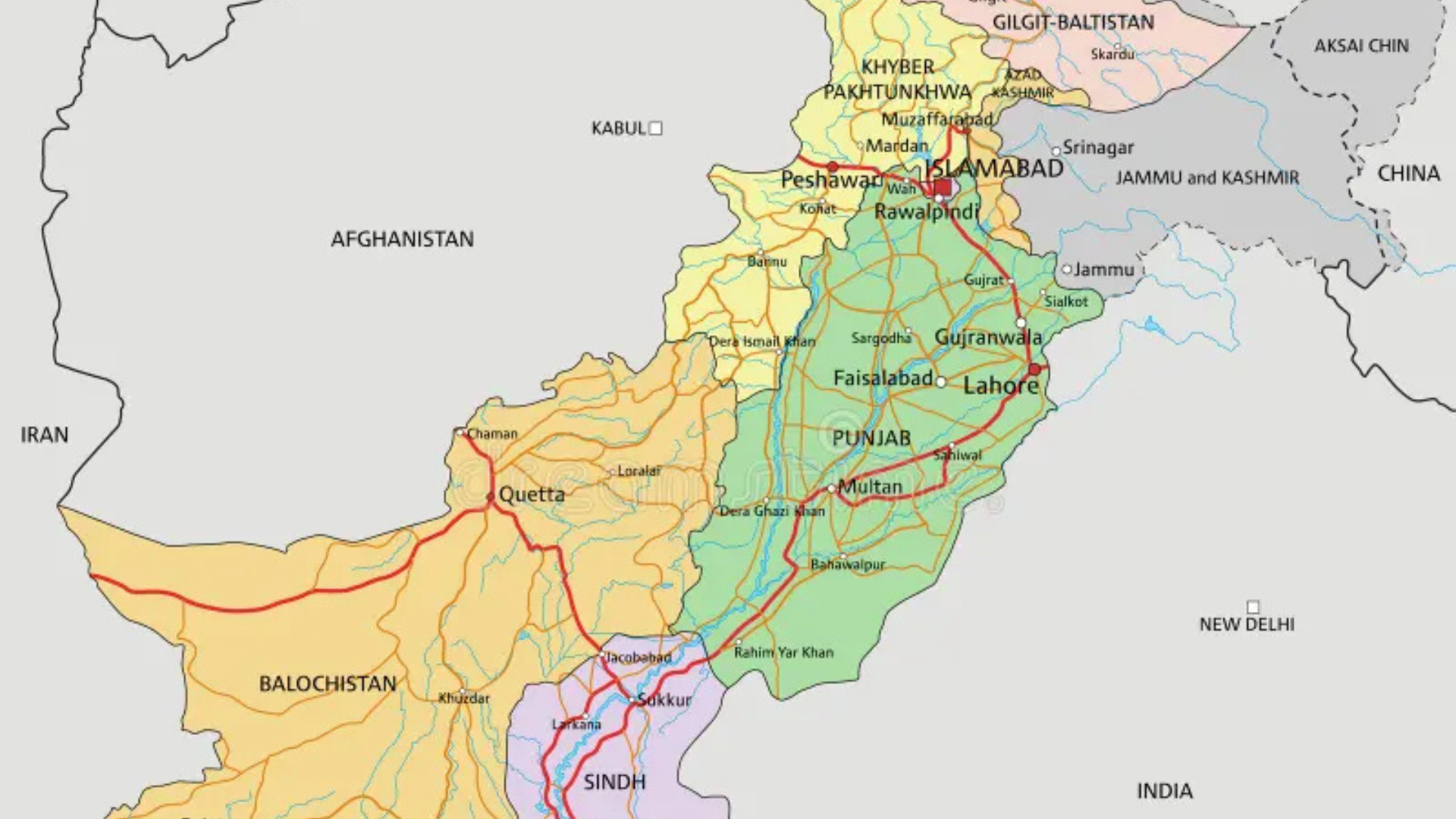
Pakistan has more than 1000 kilometres of coastline and approximately 290000 square kilometres of maritime zones. More than 90 per cent of the country’s trade by volume and around 70 per cent by value moves through the Arabian Sea.
Karachi Port, Port Qasim and Gwadar connect Pakistan with global markets. These ports receive energy, industrial materials and consumer goods while carrying Pakistani exports to overseas buyers.
The routes connecting these ports to the wider world are known as Sea Lines of Communication (SLOCs). In simple terms, these are the main maritime highways used by commercial and naval vessels.
Pakistan’s trade depends on access to important passages including the Strait of Hormuz, Bab el Mandeb Strait and the Suez Canal. Disruption at any of these points can force ships to take longer routes, increase freight and insurance costs and eventually raise prices for consumers.
What is sea blindness?
Despite this dependence, Pakistan continues to face what maritime experts call sea blindness. The term does not mean a lack of access to the sea. It describes the tendency of governments and societies to overlook how deeply national security, trade and daily life depend upon maritime activity.
A fuel shortage in Punjab, a delayed industrial order in Faisalabad or higher food prices in Islamabad may appear to be land based problems. Their origin, however, can lie thousands of kilometres away on a disrupted shipping route.
Maritime security is also broader than naval defence. It includes protecting ports, commercial ships, fishing communities, underwater cables and offshore resources from piracy, terrorism, smuggling, cyberattacks and military conflict.
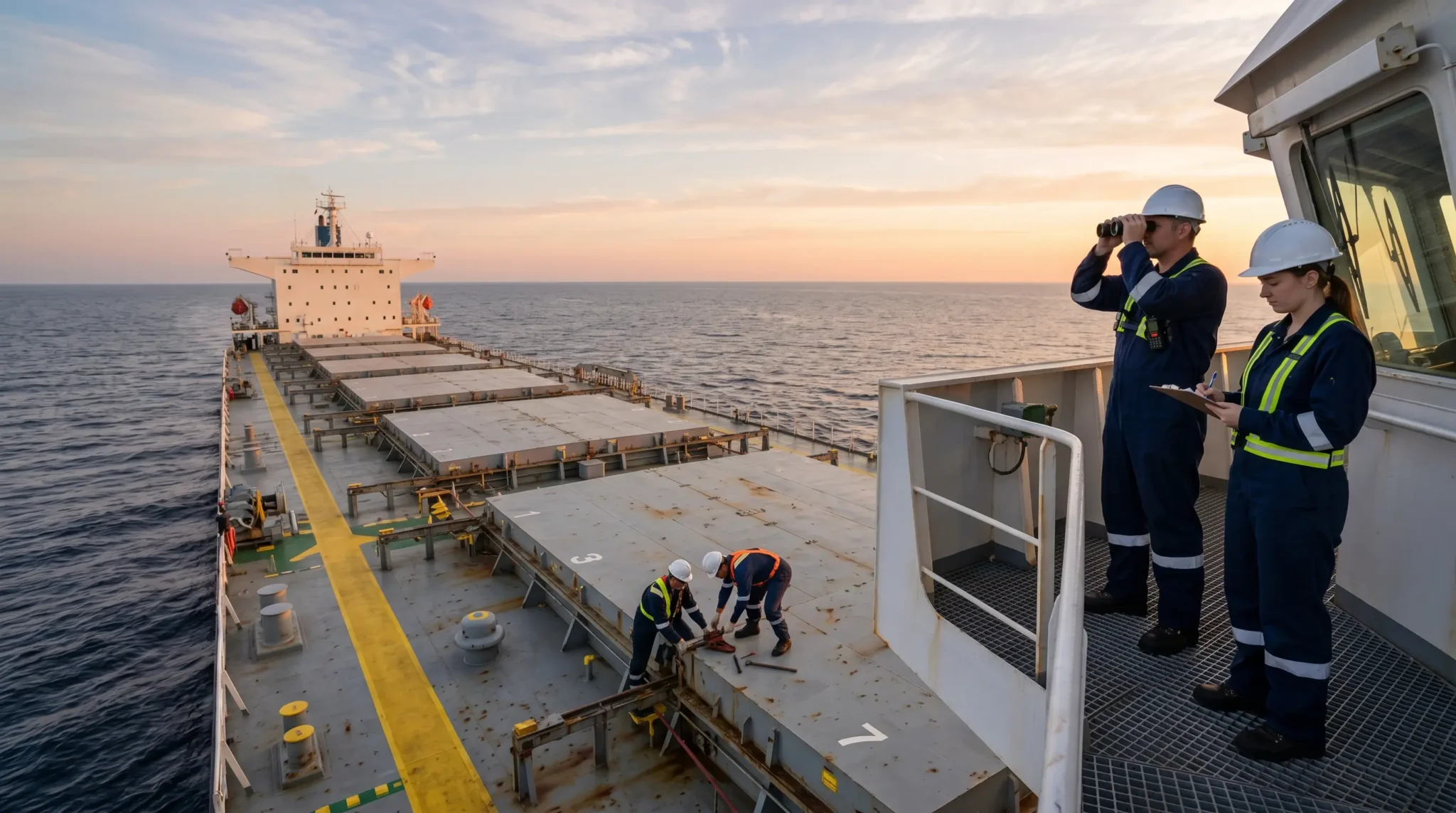
Maritime safety, by comparison, focuses on preventing accidents, collisions and operational failures.
Climate change enters the equation
Climate change has made the maritime challenge more complex. Rising sea levels, stronger storm surges, coastal erosion, extreme rainfall and cyclones threaten ports, coastal settlements and transport networks.
The low lying Indus Delta is particularly vulnerable to seawater intrusion, when salt water moves into freshwater sources and agricultural land.
This damages crops, drinking water and livelihoods. The World Bank has warned that without adaptation, approximately one million people in Pakistan could face coastal flooding each year between 2070 and 2100.
Karachi faces the combined risks of urban flooding, heatwaves, cyclones and rising seas. The Balochistan coast also faces cyclone and tsunami risks because of its location near the Makran Subduction Zone, where one tectonic plate moves beneath another and can generate powerful earthquakes.
Shipping is both affected by climate change and contributes to it. The sector produces roughly 3 per cent of global greenhouse gas emissions. Cleaner fuels, efficient ships and greener ports are therefore becoming part of maritime policy.
From policy to preparedness
Pakistan’s leaders have reaffirmed their commitment to maritime security and international standards. A modern Vessel Traffic Management System planned for Port Qasim will work like air traffic control for ships by monitoring their movement and helping prevent collisions.
However, maritime resilience also requires cyclone warnings, protected coastal ecosystems, trained seafarers, secure digital port systems, pollution control and infrastructure designed for future climate conditions.
Mangroves offer a natural line of defence by reducing wave energy, limiting coastal erosion and storing carbon. Their protection therefore supports climate adaptation, fishing communities and port security at the same time.
World Maritime Day carries a clear message for Pakistan. The country’s economic centre may appear to lie on land, but its supply lines extend far into the sea. Recognising that connection is the first step towards overcoming sea blindness and treating maritime policy as a national priority.