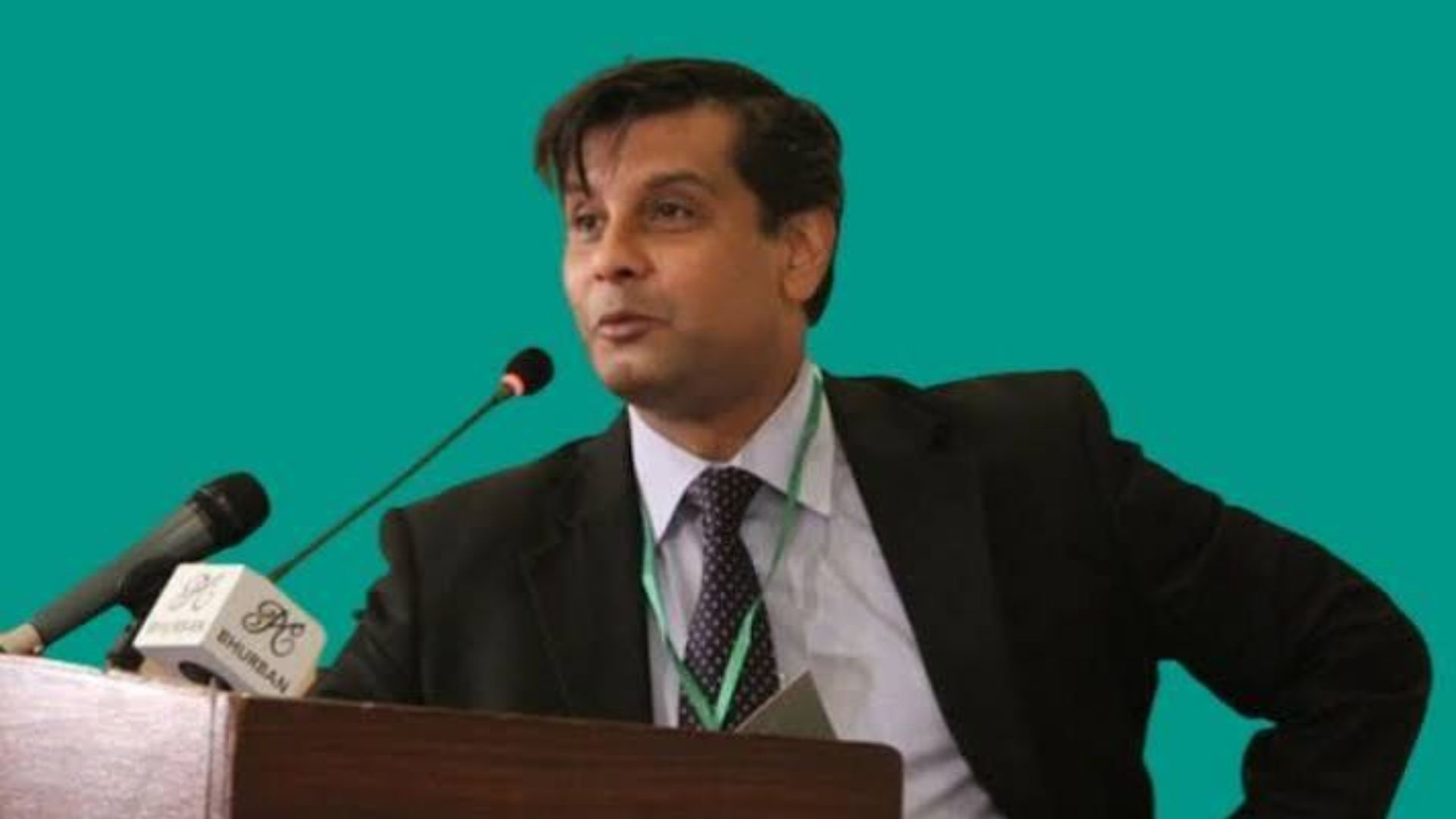
Today marks four years since senior journalist Arshad Sharif was killed in Kenya on October 23, 2022. His voice carried across Pakistan’s political landscape. His reporting and programmes generated debate, and his positions attracted both agreement and disagreement. Today, remembering him also raises questions about the role of the journalistic community.
Sharif’s death was more than the loss of a journalist. It was an important event bound up with press freedom in Pakistan, journalists’ safety and the dangers encountered in pursuing the truth. His killing prompted protests across the country, journalists raised their voices and demands were made for a transparent investigation. Four years later, however, the question of justice remains as important as ever.
Pakistan’s journalistic community and its representative organisations also appear powerless in this matter. UNESCO, the United Nations agency, continues to list his killing as unresolved.
The journalistic community must confront a question: if no event commemorates a journalist, no discussion is held in his name and no attention is given to the case concerning his killing, does this merely mean that an individual has been forgotten? Or does it also raise questions about journalism’s collective responsibility and why that responsibility is not being fulfilled?
Journalists’ organisations do not exist solely to address salaries, benefits, plots, elections and other administrative matters. Their fundamental responsibilities also include protecting journalists’ rights, defending freedom of expression, maintaining professional solidarity and speaking out against violence targeting journalists. Unfortunately, those responsibilities do not appear to be fulfilled in Pakistan.
In Sharif’s case, the central question is not which political party he supported or who agreed with his views. It is whether a journalist’s killing can be overlooked because of his political or ideological position. Do journalistic principles matter only when the person affected belongs to our circle or group, or holds views we approve of?
Disagreement and professional solidarity are separate matters. Journalism draws its strength from differences of opinion. A journalist may criticise the government, disagree with the opposition, question state policies and reach conclusions different from those of another journalist. Despite those differences, the demand for journalists’ safety and investigations into crimes against them should be shared.
If journalists’ organisations remain silent about a colleague because his political position does not fit their preferred narrative, they weaken the very foundation of professional solidarity.
A clarification is necessary here: it would not be entirely accurate to say that no journalistic organisation remembered Sharif on his fourth death anniversary. The International Federation of Journalists and the Pakistan Federal Union of Journalists have demanded justice and called for judicial proceedings to be expedited.
The real question is how prominently press clubs, local journalists’ organisations and representative leaders across the country have addressed the issue, and whether their voices have reached the public.
Sharif was killed in police firing in Kenya on October 23, 2022. Questions about the circumstances of his death, the determination of responsibility and the delivery of justice remain important. The emphasis should be on a transparent investigation, credible evidence and legal proceedings rather than speculation or unsubstantiated claims.
Justice for Sharif’s family should not become a subsidiary issue in a political debate. It is a fundamental legal and human requirement. Journalists’ organisations should maintain a clear position, seek answers from the relevant authorities and consistently inform the public about progress in investigations and judicial proceedings.
This is not a question concerning Sharif alone. It concerns every journalist who faces danger while carrying out professional duties. Speaking up for a journalist’s work, rights and safety during their lifetime is essential. Continuing the struggle for justice after their killing is equally important.
An anniversary is not merely an occasion to lay flowers, issue condolences or arrange a ceremony for photographs. A meaningful tribute requires practical measures to protect journalists, an uncompromising commitment to press freedom and a refusal to allow a journalist’s killing to fade from public attention with time.
Sharif’s fourth death anniversary reminds us that journalists may disagree and their political affiliations may differ, but principled solidarity in demanding justice remains essential.
Sharif is no longer among us, but the question of justice for his killing remains alive. The real test for the journalistic community is how long it keeps that question alive, and whether it can do justice to Arshad Sharif.