A child struggles to read despite understanding what is being taught. Another cannot remain seated or sustain attention for extended periods. A third finds social interaction difficult or becomes overwhelmed in a noisy classroom.
In Pakistan, such behaviours can invite familiar judgments: lazy, disobedient, difficult or incapable. What does not always follow is an attempt to understand the underlying difficulties.
This reflects a deeper problem in how Pakistani society approaches neurodivergence. Terms such as Attention Deficit Hyperactivity Disorder (ADHD), autism and dyslexia are increasingly recognised, yet awareness has not translated consistently into acceptance, appropriate educational practices or accessible support.
For many neurodivergent individuals, the challenges associated with their conditions are compounded by institutions that interpret neurological differences as personal deficiencies. The consequences extend beyond childhood, affecting education, employment, relationships and psychological wellbeing.
Misunderstanding difference
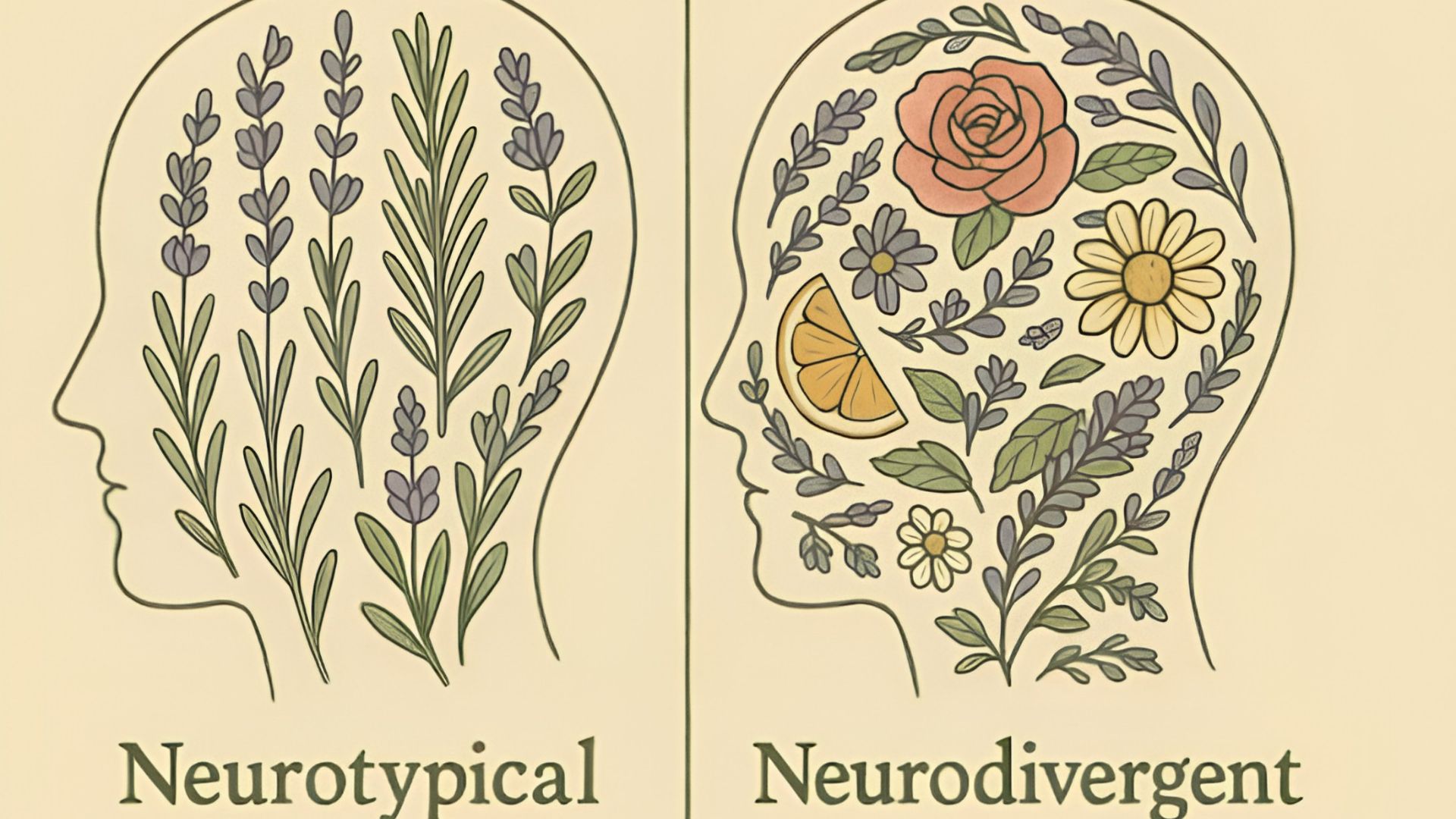
Neurodiversity describes the natural variation in human neurological functioning, while neurodivergence commonly refers to individuals whose cognitive or developmental functioning differs from what is considered typical.
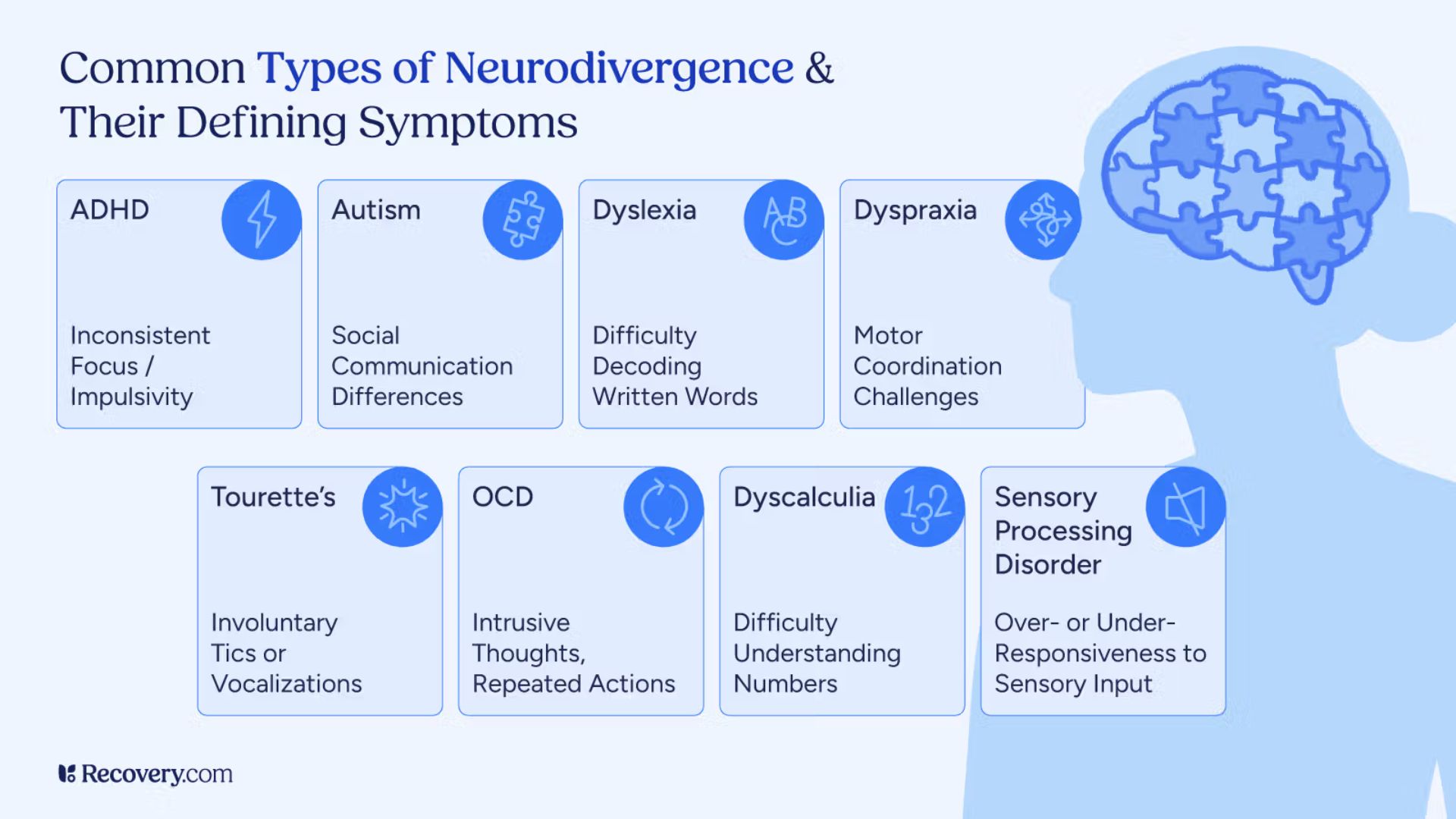
ADHD, autism and dyslexia are distinct conditions with different characteristics and support requirements. Some individuals need relatively minor adjustments, while others require substantial assistance throughout their lives.
Yet public understanding often remains confined to stereotypes. ADHD is mistaken for indiscipline, dyslexia for limited intelligence and autism for an inability to communicate or participate meaningfully in society.
These misconceptions influence whether families seek assessments, how educators respond to students and whether individuals feel comfortable disclosing their difficulties.
Social stigma can also delay identification. Families may fear that a diagnosis will affect their child's educational prospects, social acceptance or future relationships. Others dismiss persistent developmental concerns as behavioural problems that greater discipline will resolve.
The resulting delays can deprive children of timely assistance during important stages of learning and development.
The problem of an invisible population
Pakistan's disability statistics illustrate a broader challenge, although disability and neurodivergence are not interchangeable categories.
According to the 2023 Population and Housing Census, approximately 7.4 million people, representing 3.1 percent of the population, were recorded as having disabilities. Another 23.2 million, or 9.6 percent, reported functional limitations.
These figures encompass a range of physical, sensory and functional difficulties. They cannot be used to estimate the prevalence of ADHD, autism or dyslexia.
Pakistan still lacks sufficiently comprehensive, condition specific national data to establish how many neurodivergent individuals require educational, clinical or workplace support.
This is more than a statistical limitation. Without reliable information about prevalence, geographical distribution and support needs, policymakers cannot accurately determine where services are required or how resources should be allocated.
Individuals who remain undiagnosed are also less likely to be recognised in institutional planning. A child whose dyslexia is never identified may continue to struggle academically, while an adult with undiagnosed ADHD may spend years navigating difficulties without understanding their underlying causes.
The absence of reliable data can therefore reinforce the very neglect it should help address.
Classrooms that leave children behind
Pakistan's education system remains one of the most consequential environments for neurodivergent children.
Conventional teaching practices rely heavily on standardised instruction, written examinations and uniform expectations of academic performance. These approaches can disadvantage students whose learning needs require different methods.
A student with dyslexia may understand complex concepts but struggle to read examination questions or produce written responses within a prescribed time.
ADHD can affect attention regulation, working memory and organisational skills, while autistic students may experience sensory sensitivities or difficulties with communication and unpredictable routines.
Such challenges do not necessarily indicate limited intellectual ability.
Yet when teachers lack appropriate training, students may be reprimanded for behaviours they cannot readily control or penalised for difficulties unrelated to their understanding of a subject.
Research from Pakistan underscores these concerns.
A study published in the Journal of Ayub Medical College Abbottabad in 2016 examined 233 primary school teachers in Karachi. It reported an average knowledge score of 58.8 percent and an identification ability score of 53.3 percent concerning dyslexia, ADHD and autism.
Although the findings cannot be generalised to all Pakistani teachers, they highlight shortcomings in the recognition of learning and developmental conditions.
A separate 2024 study examining inclusive education in Pakistan identified inadequate teacher preparation, limited resources and negative social attitudes among the obstacles to effective implementation.
These findings suggest that educational exclusion cannot be attributed solely to individual teachers or schools. It also reflects shortcomings in professional training, institutional resources and educational planning.
Inclusion requires more than admitting neurodivergent students into mainstream classrooms. It involves teaching strategies that accommodate different learning needs, appropriate assessment methods, protection from bullying and access to specialist guidance where necessary.
The objective is not to lower academic expectations, but to ensure that students have a fair opportunity to demonstrate what they know.
Rights on paper, barriers in practice
Pakistan has established legal protections addressing disability rights, although their scope and implementation vary across jurisdictions.
The Islamabad Capital Territory Rights of Persons with Disability Act, 2020, includes provisions concerning inclusive education, teacher training, employment and reasonable accommodations.
The legislation recognises that accessibility should be an institutional responsibility rather than a matter of individual goodwill.
However, its application is limited to Islamabad Capital Territory (ICT), while provincial legal and administrative frameworks differ. Furthermore, neurodivergence does not automatically establish eligibility for formal disability recognition under every applicable law.
This distinction has practical implications.
A student may require additional examination time, accessible learning materials or adjustments to classroom instruction without knowing whether such accommodations are available or how to request them.
Similarly, adults may encounter difficulties obtaining workplace adjustments, particularly where employers lack clear policies or where disclosure carries a risk of stigma.
The existence of legal protections is therefore only one part of the equation. Effective implementation requires transparent procedures, trained personnel, accessible complaint mechanisms and institutional accountability.
Without these measures, the distance between recognised rights and lived experiences remains substantial.
When support depends on affordability
Healthcare access presents another challenge.
Developmental assessments, psychological consultations, occupational therapy, speech and language therapy and specialised educational interventions can involve substantial expenses.
Not every neurodivergent individual requires these services, but those who do may need sustained support over several years.
Availability is also uneven.
In April 2026, the Government of Pakistan acknowledged that families of autistic children may need to travel considerable distances for specialised services and that schools may lack trained personnel and suitable facilities. It also highlighted the establishment of a dedicated autism centre at the Pakistan Institute of Medical Sciences (PIMS).
Such initiatives are important, particularly where public provision can reduce dependence on private services. However, isolated facilities cannot substitute for accessible referral and support systems across districts.
For families outside major urban centres, travel expenses, repeated appointments and limited local expertise can make continuity of care difficult.
There is also a disconnect between clinical diagnosis and educational support. Identifying a developmental condition does not necessarily result in classroom accommodations or coordinated intervention.
Consequently, families may obtain an assessment without receiving the practical assistance needed to act upon it.
This raises a fundamental equity concern: access to appropriate support should not depend primarily on geographical location or household income.
The consequences beyond childhood
The effects of misunderstanding and exclusion extend beyond educational attainment.
Repeated criticism, bullying and social rejection can undermine confidence and contribute to emotional distress. A child who consistently struggles despite genuine effort may begin to associate learning with failure. An adolescent who is mocked for communicating differently may withdraw from social interaction.
These experiences should not be confused with neurodivergence itself. Psychological distress may arise from several interacting factors, including underlying clinical difficulties, unmet support needs and adverse social environments.
The distinction matters because it determines how institutions respond.
Punishment cannot replace support for difficulties with attention or emotional regulation. Nor should unusual communication styles automatically be interpreted as disrespect.
Yet Pakistan's public discussion remains disproportionately focused on children, with comparatively little attention to neurodivergent adults.
ADHD, autism and dyslexia do not necessarily disappear with age. Their manifestations and support requirements may change, but challenges involving organisation, communication, literacy or sensory processing can persist.
In universities and workplaces, these differences may be mistaken for incompetence or poor professionalism.
Appropriate adjustments, including clearer instructions, assistive technology, accessible assessments or predictable working arrangements, can help individuals participate more effectively.
Such measures should be understood as responses to specific needs rather than preferential treatment.
A diagnosis is not a verdict
The danger of rigid assumptions becomes particularly evident when professional predictions are treated as definitive judgments.
When my son was assessed for ADHD and dyslexia, with possible autistic traits also discussed, I was told by a psychologist that he would never be able to study.
Today, he is in the 12th grade.
His progress has not been linear. He continues to face challenges involving emotional regulation and social interaction, and some difficulties require ongoing support.
His experience does not suggest that every neurodivergent child will follow a similar academic path. Nor does it diminish the substantial support needs of individuals whose conditions affect their independence or daily functioning.
It does, however, illustrate why professional assessments must distinguish between identifying genuine difficulties and making categorical predictions about an individual's potential.
A diagnosis can guide intervention, clarify support needs and help families understand developmental differences. It should not be treated as a comprehensive measure of intelligence, capability or future achievement.
Equally, academic success cannot be the benchmark against which every neurodivergent individual is valued.
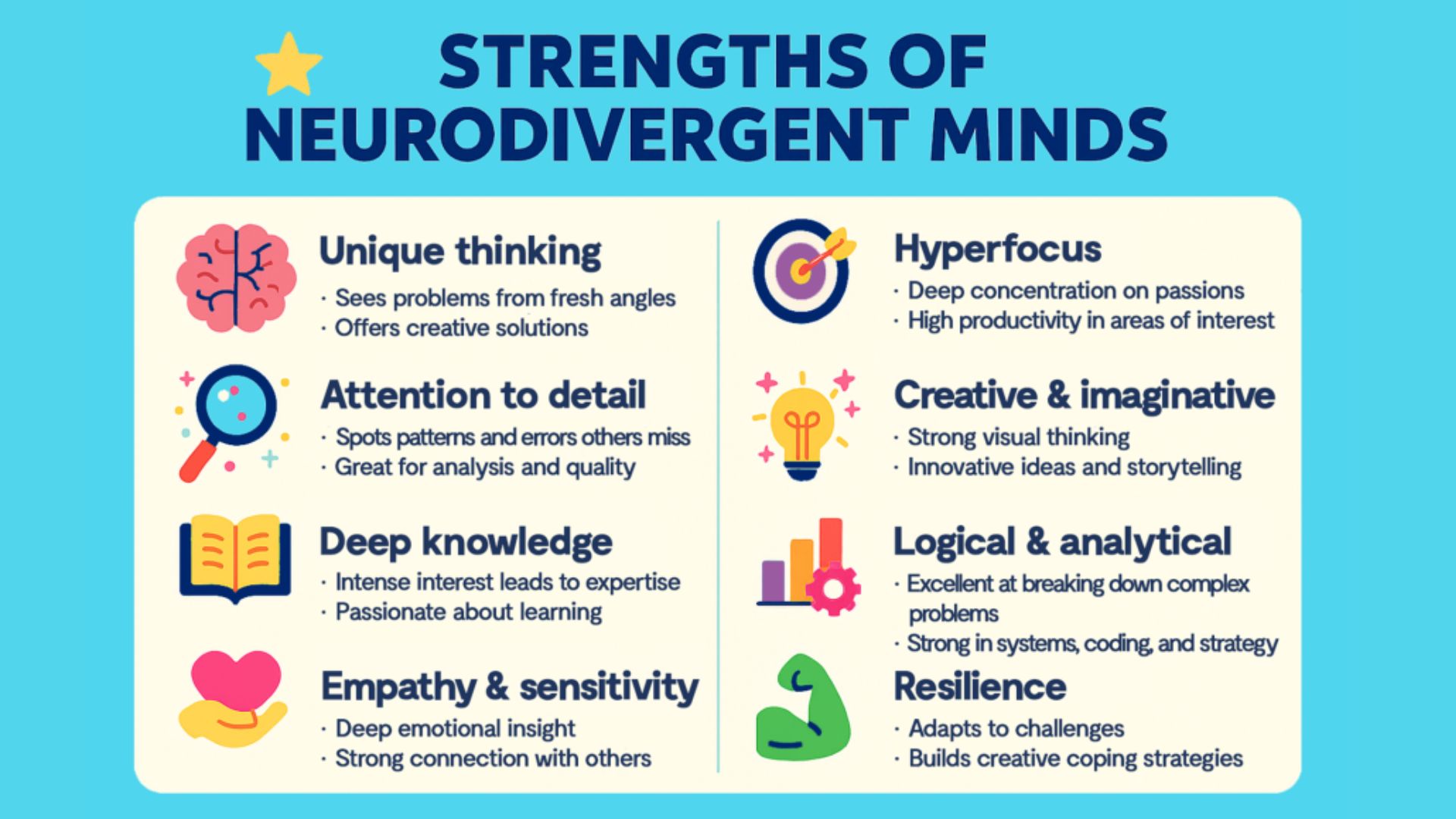
Some may excel in conventional education. Others may require alternative pathways or lifelong assistance. Their dignity and entitlement to meaningful participation remain the same.
From recognition to institutional responsibility
Pakistan's challenge is no longer simply to introduce the language of neurodiversity into public discourse. It is to translate that recognition into practical measures.
Teacher education must incorporate evidence based approaches to developmental and learning differences. Schools need clear procedures for reasonable accommodations, early referral and protection against discrimination.
Healthcare systems require stronger assessment and support pathways, particularly outside major cities. Better national data would help identify underserved populations and inform resource allocation.
Universities and employers must also recognise neurodivergence as an issue extending into adulthood, while individuals with lived experience should have a meaningful role in developing relevant policies.
These measures do not imply that every difficulty associated with neurodevelopmental conditions can be eliminated through institutional reform. Some individuals have significant impairments and require specialised, sustained care.
But genuine clinical challenges should not be compounded by preventable discrimination, educational exclusion or inaccessible services.
Pakistan's disability rights commitments provide a foundation. The more difficult task is ensuring that those commitments influence what happens in classrooms, clinics, universities and workplaces.
Ultimately, the question is not whether neurodivergent individuals can continually adjust themselves to systems designed around a narrow definition of normality.
It is whether those systems can recognise different ways of learning, communicating and functioning without automatically treating them as deficiencies.
A diagnosis should help identify what support a person needs. It should never determine the limits of their opportunities or their place in society.