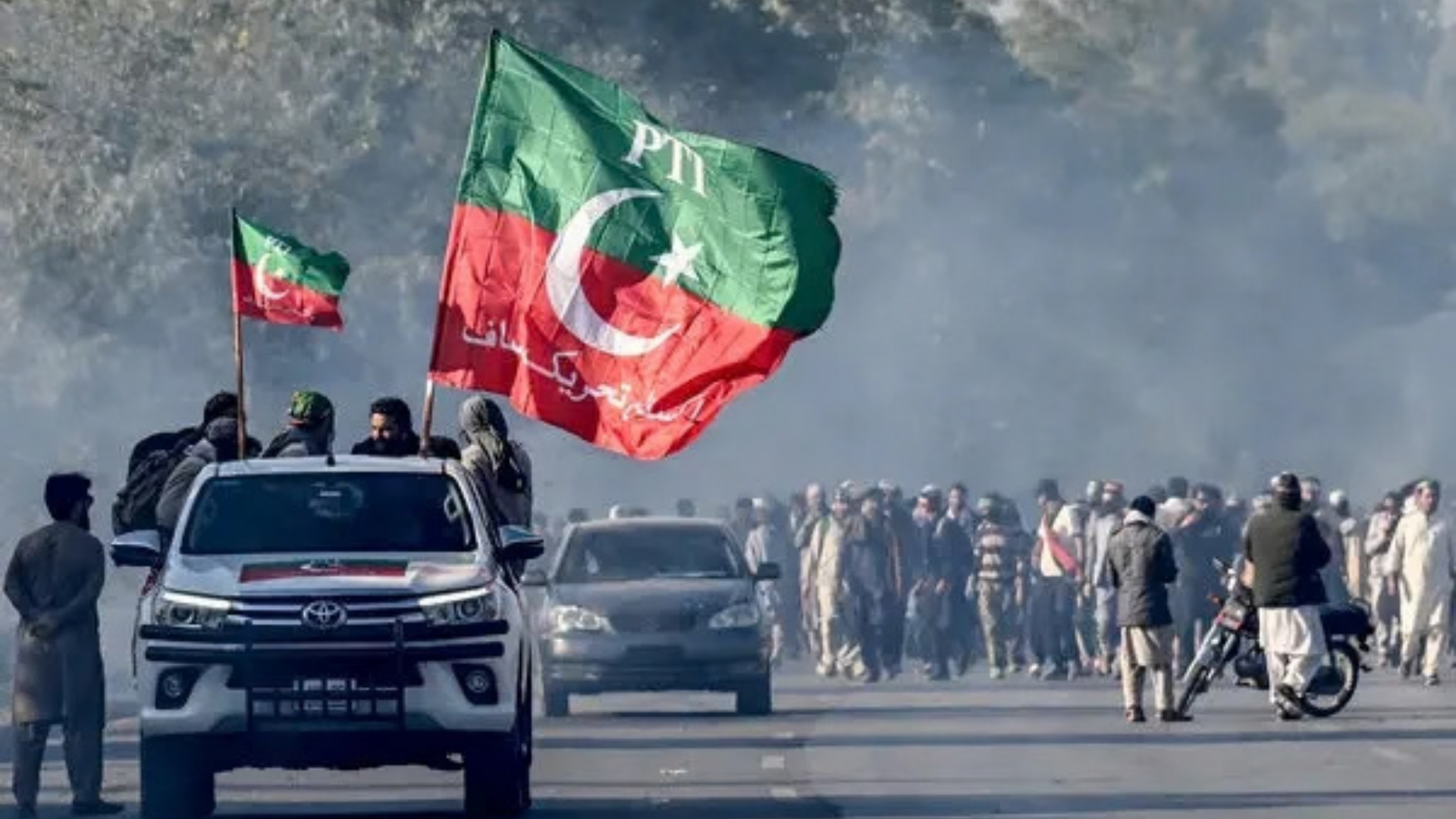
Voters in Khyber Pakhtunkhwa (KP) repeatedly backed parties that address their everyday concerns. Imran Khan and Pakistan Tehreek e Insaf (PTI) secured that support in three successive elections, making the province the party’s principal base and leaving rivals struggling to regain ground.
Yet repeated electoral success did not spare PTI from disputes over governance, corruption allegations, or divisions within its leadership. With its provincial government now suspended, the party faces a harder question: how much political room does it leave?
PTI first emerged as the largest party in the provincial assembly after the 2013 general election. Without enough seats to govern alone, it formed a coalition with Jamaat e Islami, the Qaumi Watan Party, and the Awami Jamhoori Ittehad Pakistan, with support from independent lawmakers.
Khan chose his close associate, Pervez Khattak, as chief minister and gave the incoming administration a 90 day reform agenda. Khattak and his cabinet struggled to deliver the promised changes within that period, although the government passed substantial legislation during its term.
PTI returned to the electorate in 2018 on that record and won a second successive mandate, breaking with the province’s previous pattern of changing governing parties.
This time, Khan selected Mahmood Khan, a politician from Malakand division, to replace Khattak as chief minister. The merger of the former Federally Administered Tribal Areas (FATA) with Khyber Pakhtunkhwa also brought the tribal districts into the provincial assembly through subsequent elections.
The second administration oversaw major infrastructure work, including completing the Swat Motorway. But controversy repeatedly overshadowed its record.
Peshawar’s Bus Rapid Transit project, launched during PTI’s first term, became a persistent source of criticism. Promises of rapid completion gave way to delays, design changes, and rising costs, giving opposition parties grounds to question the government’s planning and management.
The Malam Jabba land lease case brought further scrutiny. The National Accountability Bureau (NAB) investigated allegations that the government had leased land for a resort and chairlift to a favoured company in breach of rules. These were allegations under investigation, rather than established findings of guilt.
Internal disputes also became public. In early 2020, Mahmood Khan removed three prominent ministers, Atif Khan, Shahram Khan Tarakai and Shakeel Khan, amid accusations that they were running a faction against him. Imran Khan backed the chief minister’s authority to act.
Tree plantation programmes, among PTI’s most publicised initiatives, also faced allegations of financial irregularities, misuse of funds and inflated plantation figures.
Audit objections and NAB inquiries raised questions about how they were administered. The provincial Billion Tree Tsunami and the later Ten Billion Tree Tsunami programme, however, were separate initiatives and should not be treated as a single scheme.
In January 2023, Mahmood Khan dissolved the provincial assembly on Imran Khan’s instructions, ending the government before its term expired.
Despite these disputes, voters backed PTI again in February 2024. Its candidates contested as independents after the party lost its election symbol, but secured a commanding majority. Many later joined the Sunni Ittehad Council as part of the party’s parliamentary strategy.
Khan chose Ali Amin Gandapur, a former federal minister for Kashmir affairs and Gilgit Baltistan, as chief minister. The party later replaced Gandapur with Sohail Afridi after another leadership decision.
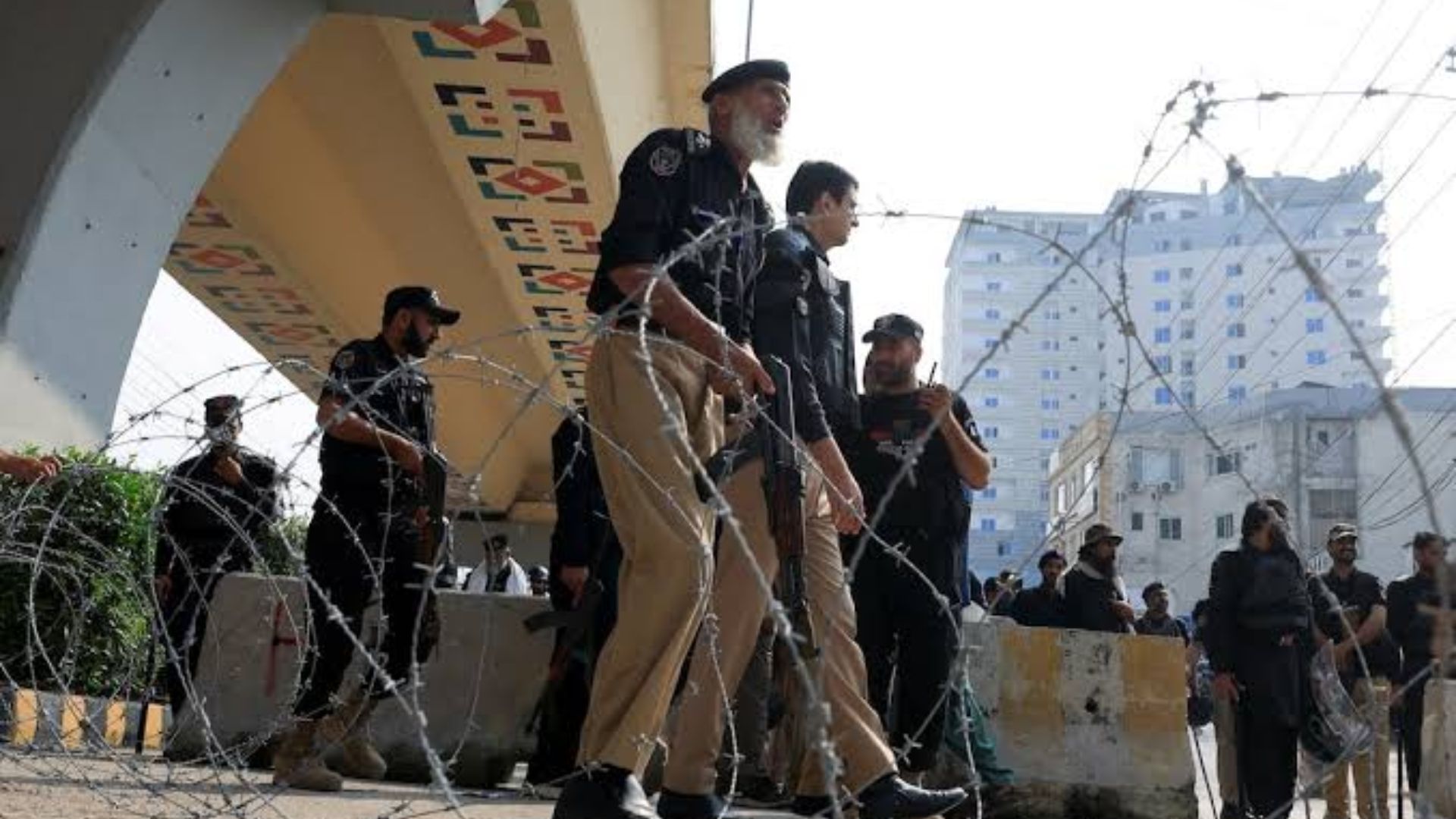
The government suspended Afridi’s administration when it imposed emergency measures and governor’s rule on 11 October 2026. The government subsequently took him and several other provincial leaders into custody.
The loss of provincial office and the protest march's failure to secure its objectives sharpened disagreements within PTI. Leaders began blaming one another, and the prospect of further arrests has increased uncertainty among lawmakers.
According to sources, action against PTI members will intensify, with further arrests and renewed proceedings in pending cases. That remains their assessment, rather than a confirmed account of future government action.
It also attributes remarks to Information Minister Attaullah Tarar, who dismissed the possibility of restoring PTI’s provincial government.
According to the account, Tarar suggested that any negotiations could concern only Imran Khan’s prison arrangements, including his food or exercise equipment. He also accused Afridi’s former ministers of abandoning him.
Such remarks reflect the hostility between the government and PTI. They do not, by themselves, settle the party’s political future.
PTI lost control of the province that sustained it through three elections; its leadership faces mounting pressure, and the present government offers little hope of relief.