

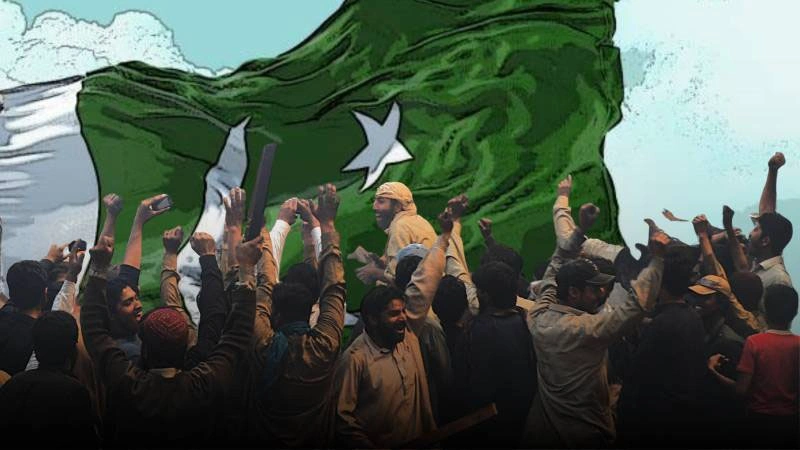
There is something curious about September in Pakistan.
The month arrives with the memory of war, Independence Day has only recently passed, Parliament is back in focus and, again and again, political tensions seem to find their way onto the streets.
This September is no exception.
Islamabad is set for a week of significant political activity from September 20 to 27, with multiple protests planned by various groups including Jamaat e Islami (JI), the Azad Kashmir Action Committee, farmers’ organisations, and Pakistan Tehreek-e-Insaf (PTI).
JI will commence the demonstrations on September 20 with a march addressing petroleum levies, rising fuel costs, and price hikes of essentials like sugar and wheat, potentially leading to prolonged sit ins.
The Azad Kashmir Action Committee plans a march towards Islamabad on September 22, followed by a farmers’ long march on September 25, with negotiations underway to possibly alter that mobilization.
PTI will culminate the series of protests on September 27, rallying nationwide for the release of former Prime Minister Imran Khan and supporting JI’s ongoing sit-ins, coordinating participants from Punjab and Khyber Pakhtunkhwa with assembly points in Lahore and Peshawar.
Security authorities have deployed relevant personnel, especially around sensitive areas including D Chowk, the Red Zone, Faizabad, Tarnol, and Sangjani, with temporary road closures and restricted access, while residents are advised to expect traffic disruptions, monitor updates via Islamabad Traffic Police and FM 92.4, maintain essential supplies, consider remote work, and adjust educational and business schedules accordingly.
This dense period of civil activity and heightened security is likely to impact standard operations and mobility in the city.