
The landscape of Pakistani cinema and television has long reflected the deep structural inequalities of the society from which it springs. For decades, mainstream Lollywood productions and prime time television dramas have consistently valorised affluence, framing wealth not merely as an aspiration but as the ultimate solution to life's conflicts.
High budget blockbusters and popular serials regularly showcase opulent mansions, designer wardrobes, and lavish lifestyles, while reducing lower middle class and working class characters to flat caricatures such as loyal drivers, comic domestic workers, or pitiable beggars who exist solely to push forward the plots of elite protagonists. Crucially, these roles are frequently heavily ethnically stereotyped, using specific regional accents, dialects, and cultural tropes to reinforce social hierarchies and relegate marginalised ethnic identities to comic relief or subservient status.
A key factor driving this narrative imbalance is the physical and economic exclusion of lower income populations from the cinematic experience itself. The decline of single screen neighbourhood talkies in smaller towns and the subsequent rise of expensive, multiplex driven cinema culture in major urban hubs have effectively cut off lower middle class audiences from accessing theatres. Because these communities lack affordable access to cinemas, mainstream film producers have historically catered almost exclusively to the tastes of affluent urban moviegoers.
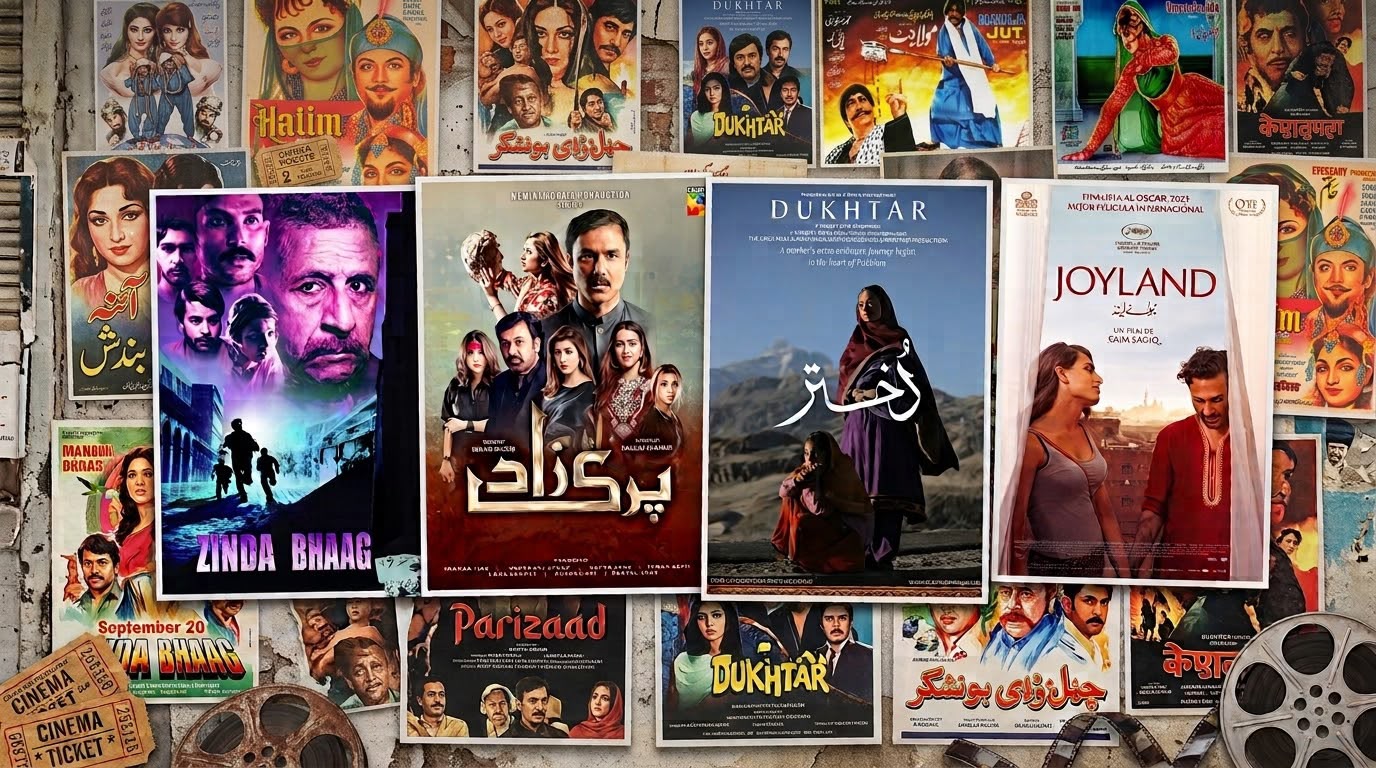
Consequently, storytellers from working-class backgrounds have rarely had the platforms, capital, or structural support required to enter the industry and shape mainstream Pakistani filmmaking. Despite these barriers, some television productions and independent cinema have periodically broken through to challenge the status quo. Serial hits like Parizaad marked a turning point by centering entirely on a working class protagonist navigating systemic poverty, racial prejudice, the pursuit of education, and the corrupting nature of wealth. Similarly, a rising wave of socially conscious independent films such as Zinda Bhaag, Laal Kabootar, Zindagi Tamasha, and Joyland has pushed the boundaries of Pakistani storytelling by presenting unvarnished, authentic portrayals of socio economic struggles, urban grit, and family life without romanticising poverty.
As traditional media channels remain gatekept by established production houses, digital platforms and social media are rapidly democratising who gets to tell stories. The viral popularity of grassroots content creators including figures like the "DHA Maid" on social video platforms signals a genuine shift in public appetite. By using accessible mobile technology, creators from domestic help and lower income backgrounds are bypassing traditional industry gatekeepers to share their own humorous, poignant, and highly relatable narratives, proving that audiences across all socio economic strata are eager for ground level, authentic storytelling.