
What happened around PNS Hunain is being reduced to a naval collision, but for Pakistan, the incident is concerning because this is another example depicting that rationality is not part of the equation on India's side.
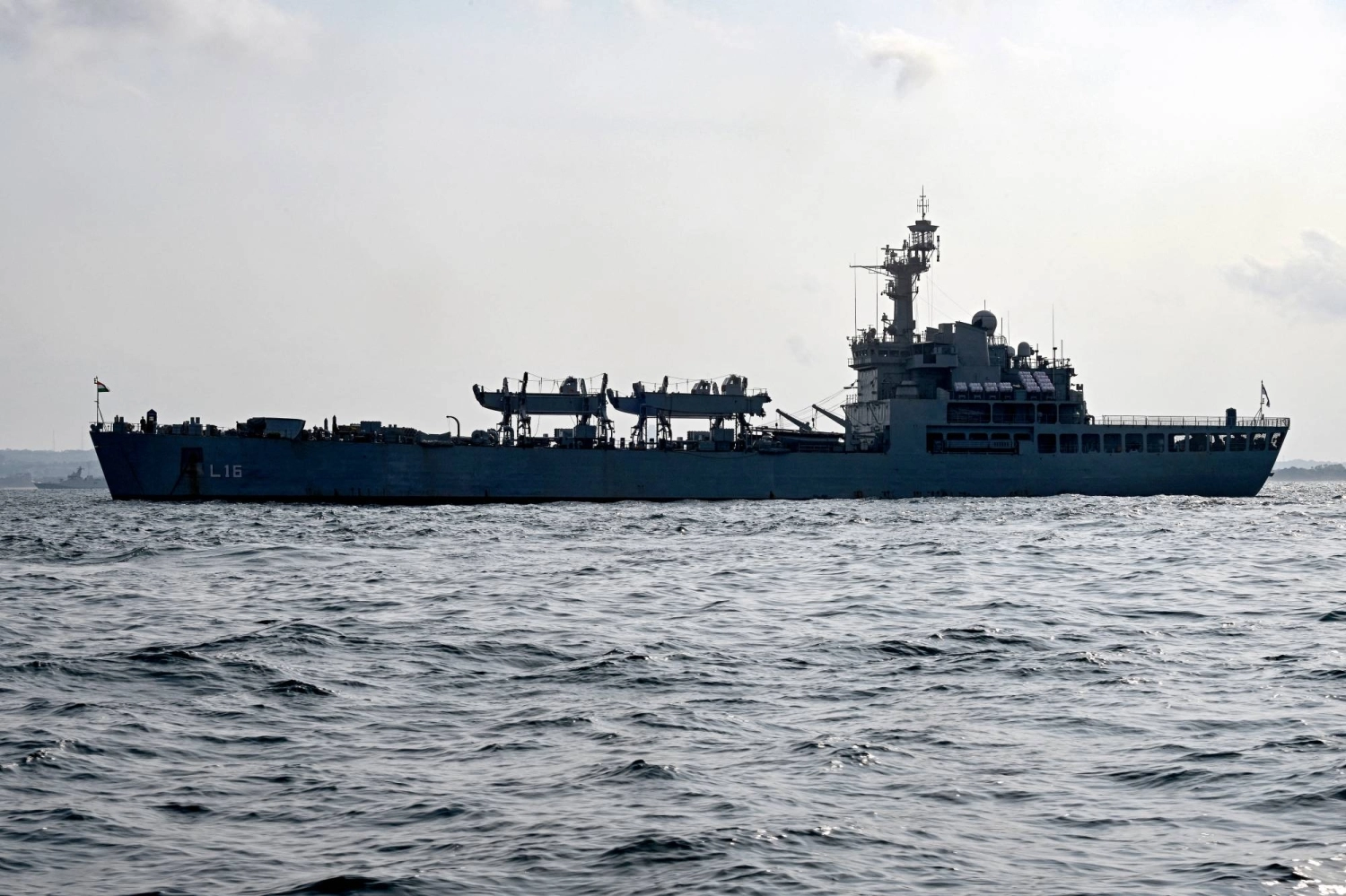
On September 15, Pakistan Navy vessel PNS Hunain came into contact with an Indian naval vessel in the North Arabian Sea while Pakistan was conducting its SEASPARK 26 exercise.
Pakistan says the Indian vessel, identified in reporting as INS Kolkata, carried out aggressive manoeuvres dangerously close to the Pakistani ship. Islamabad subsequently summoned India’s Charge d’Affaires and described the incident as highly provocative and unacceptable.
The timing and location matter.
Pakistan was conducting a major naval exercise designed to test the Navy’s preparedness against a full range of maritime threats. According to Pakistan, the Indian vessel had repeatedly attempted to enter the exercise area before the September 15 encounter.
Islamabad says the Indian ship then made a dangerous course change that resulted in contact with PNS Hunain.
India has presented a different account, saying its vessel was conducting surveillance in international waters and that PNS Hunain approached it at high speed.
But the absence of publicly released track data, bridge recordings or an independent reconstruction means the precise sequence of manoeuvres remains disputed.
That does not make Pakistan’s legal concern irrelevant.
An Exclusive Economic Zone (EEZ) is not territorial water. Under the UN Convention on the Law of the Sea (UNCLOS), other states retain freedom of navigation in an EEZ.