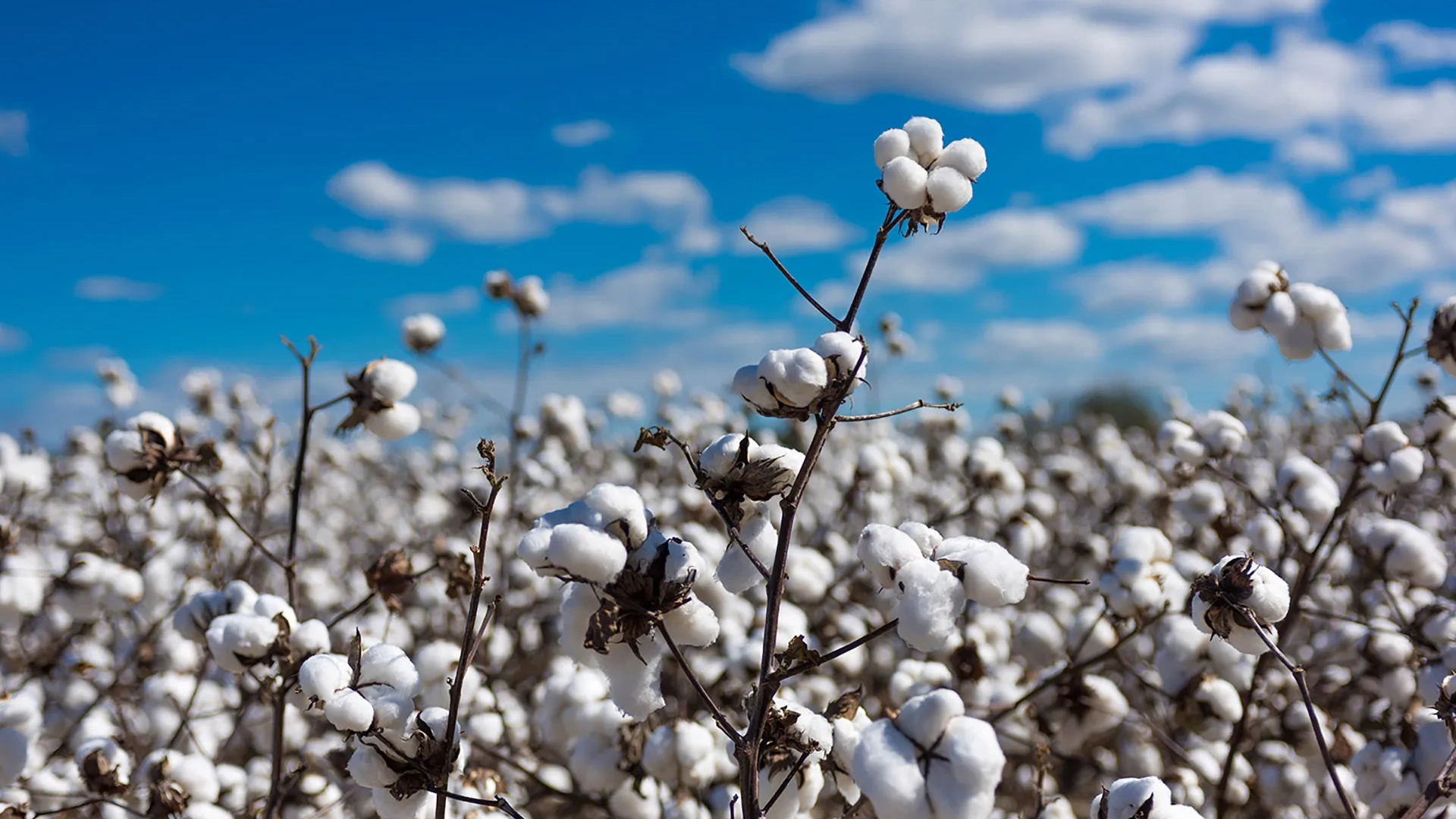
Lahore: Pakistan’s cotton and textile industries are facing mounting pressure, with industry representatives reporting widespread factory closures despite a 7.53 percent year on year increase in cotton arrivals by 15 October.
Data from the Pakistan Cotton Ginners Association (PCGA) showed arrivals reached 4.08 million bales, up from 3.80 million bales in the same period last year.
Punjab recorded arrivals of 1.64 million bales, up 7.79 percent, while Sindh accounted for 2.44 million bales, up 7.35 percent.
However, industry representatives have attributed factory closures to rising production costs and the alleged misuse of the Export Facilitation Scheme (EFS), which allows eligible businesses to import inputs for export oriented production.
Cotton Ginners Forum chairman Ihsanul Haq alleged that imported yarn and fabric intended for re export were instead being sold in Pakistan, putting domestic manufacturers at a disadvantage.
He estimated that the scheme imported 40 million to 50 million metres of fabric from China without a corresponding increase in exports.
Figures from the All Pakistan Textile Mills Association (APTMA) showed that imports of man made yarn rose from 3056 tonnes in the first quarter of 2025 to 26 to 12773 tonnes in the corresponding quarter of 2026 to 27. Imports of man made fabric increased from 660 tonnes to 8628 tonnes.
Haq said rising costs and the alleged diversion of imported goods into the domestic market have weakened local producers, who face an 18 percent sales tax on domestic sales.
APTMA has welcomed Customs action against alleged misuse of the scheme and called for restrictions on imports of man made yarn and fabric under the EFS.
The association reported that around 500 ginning factories and more than 150 textile mills had closed, while nearly half of Pakistan’s power looms were inactive.
According to PCGA data, 471 ginning factories remained operational nationwide by 15 October. Textile mills had purchased around 3.45 million bales, while exporters had bought 97000 bales, leaving 531530 bales unsold.
Cotton Ginners Forum also raised concerns about production forecasts. Haq warned that weather conditions could leave output below initial estimates and pointed to differences between PCGA figures and data from the Punjab Crop Reporting Service.
The latter estimated Punjab’s cotton production at 2.983 million bales, compared with PCGA arrivals of 1.638 million bales for the province by 15 October.
Sajid Mahmood, head of the Transfer of Technology Department at the Central Cotton Research Institute in Multan, said efforts to revive cotton production must address farmers’ earnings, cultivation costs, market access and fibre quality.
He warned that farmers could reduce the area planted with cotton next season if competing crops continued to offer better returns.
With 15 to 20 days of picking remaining, Mahmood urged farmers to follow agricultural guidance to protect yields and quality. He also advised them to monitor pink bollworm infestations, collect mature bolls promptly and harvest in dry conditions to reduce contamination.
Mahmood said farmers should assess the cotton sector's performance by net income per acre rather than the volume of cotton reaching ginning factories.
Naseem Usman, a leader of the Karachi Cotton Brokers Forum, called on the government to establish a procurement mechanism alongside any announced support price, so that authorities could purchase cotton if market rates fell below the set level.
He also said government measures could reduce undocumented cotton trading and help increase recorded production.
The industry’s immediate challenge is to improve the viability of domestic production while ensuring that imports under export related schemes are used for their intended purpose.