DOHA — Pakistan continued pushing for dialogue between the United States and Iran even when negotiations became highly tense, Interior Minister Mohsin Naqvi said on Monday, highlighting Field Marshal Syed Asim Munir’s role in keeping diplomatic channels open.
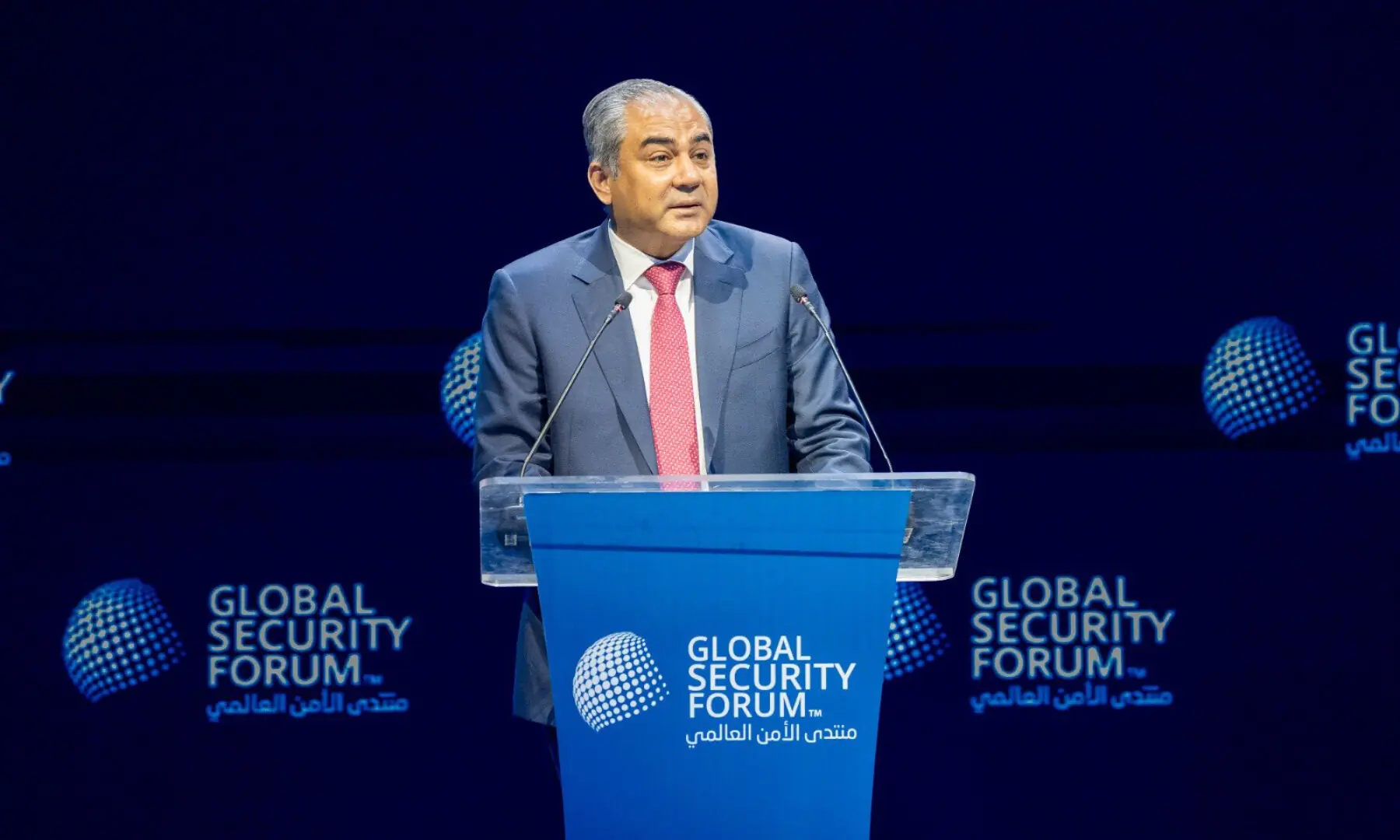
Speaking at the 8th Global Security Forum in Doha, Naqvi said Islamabad had deliberately chosen diplomacy during a period of heightened regional tensions.
“The last few months have been very difficult for our region. The conflict involving Iran and the United States created serious risks not only for the Middle East, but for the entire world,” Naqvi noted.
“At such a critical time, Pakistan chose the path of peace. Pakistan made every possible effort to reduce tensions and to bring both sides to the negotiating table. I must highlight the remarkable role of our Chief of Defence Forces Field Marshal Asim Munir, his personal efforts, his strong relations with world leaders and his continuous engagement with all sides, which has played a key role in opening doors for dialogue,” the interior minister stated.
Naqvi, who travelled to Tehran with Munir in August and returned in September, said the negotiations involved periods when the possibility of further escalation was high.
“There were moments when the situation was extremely tense, but we never gave up, and we continued talking, listening and working together to build trust. Peace is not achieved in one meeting; it requires patience, trust and continuous efforts,” he stated.
The mediation effort included talks hosted by Pakistan in Islamabad in April and the signing of the Islamabad Memorandum of Understanding between the US and Iran in June. Pakistan signed the 14-point document as a mediator.
Naqvi recalled that the effort then moved to a summit in Switzerland, where Pakistani and Qatari mediators worked to sustain the negotiations.
“Days later, at the Lake Lausanne summit, I saw something I will never forget. His Highness, the Prime Minister of Qatar and the Field Marshal worked for more than 16 hours plus without a single break, no cameras, no announcements, only two men who refused to let the talks fail, two countries, one purpose”.
The interior minister said the two mediating countries were focused on preventing further bloodshed rather than gaining recognition for their role.
"The aim of both countries, Pakistan and Qatar, was never to take credit, the only aim was to stop further conflict and to save innocent lives. Pakistan has always believed that dialogue is better than war. We believe that winning peace is far more important than winning a war."
He also praised Qatar for maintaining dialogue during the crisis.
“In the diplomacy of our time, when others chose sides, Qatar chose to keep talking. Pakistan has seen this closely because we have worked beside you.”
Naqvi said Pakistan’s experience in the mediation effort had reinforced the importance of keeping diplomatic channels open.
“Our recent experience has taught us three important lessons: never close the doors to dialogue, trust is the most important key for any kind of talk, and thirdly, peace requires sincere efforts from everyone. No single country can achieve regional peace alone.”
The minister said Pakistan’s approach to regional security was also reflected in the Makkah Joint Defence Agreement with Saudi Arabia and Turkiye.
“It is a pact for defence, not for war,” he declared, adding that no country could “enjoy lasting peace if its neighbours are facing conflicts”.
Turning to terrorism, Naqvi said Pakistan’s own experience had given it a clear understanding of the cost of insecurity.
“As Pakistan’s interior minister, I also understand the price of terrorism and insecurity. Pakistan has suffered greatly; thousands of our citizens, soldiers, and policemen have lost their lives. Even today, we continue to fight.”
He called for countries to cooperate more closely against terrorism.
“we need stronger cooperation, better intelligence sharing and joint efforts to defeat it”.
Naqvi said Pakistan had also contributed to international security through its participation in UN peacekeeping missions.
“Cooperation is not something Pakistan only asks for, it's something that Pakistan has given. For decades, our soldiers and policemen have served in UN peacekeeping missions and helped protect civilians and restore peace in countries affected by conflict. We are proud of their service and their sacrifices”.
He said Pakistan’s objective in its mediation efforts was not recognition, but preventing future conflicts.
“We do not want credit for stopping wars. We want a future where wars do not start,” he added.