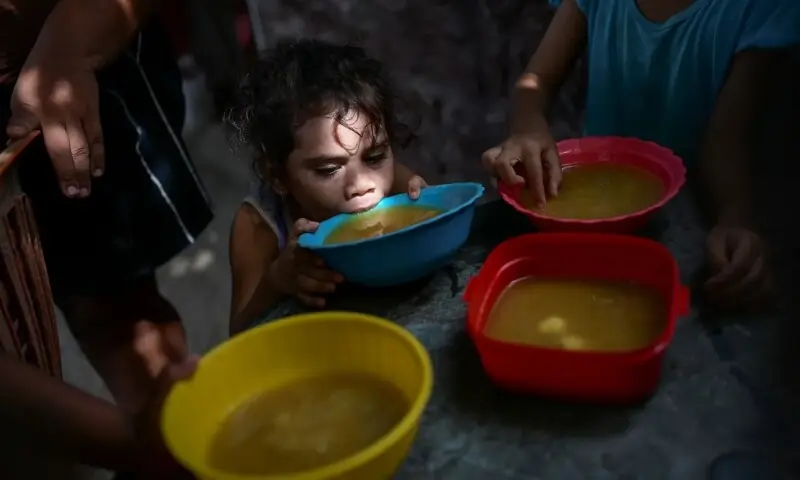
Bangkok: About 130 million people could fall into poverty this year if rising energy and food costs are passed on fully to consumers without subsidies, the United Nations Development Programme (UNDP) has warned.
UNDP chief Alexander de Croo said successive crises were leaving vulnerable countries with little time or money to recover, as higher borrowing costs and climate risks compounded the economic fallout from the US war on Iran.
Speaking to AFP during the IMF and World Bank annual meetings in Bangkok, he said many developing countries had introduced broad subsidies to cushion rising energy prices. However, repeated shocks had depleted the resources needed to sustain that support.
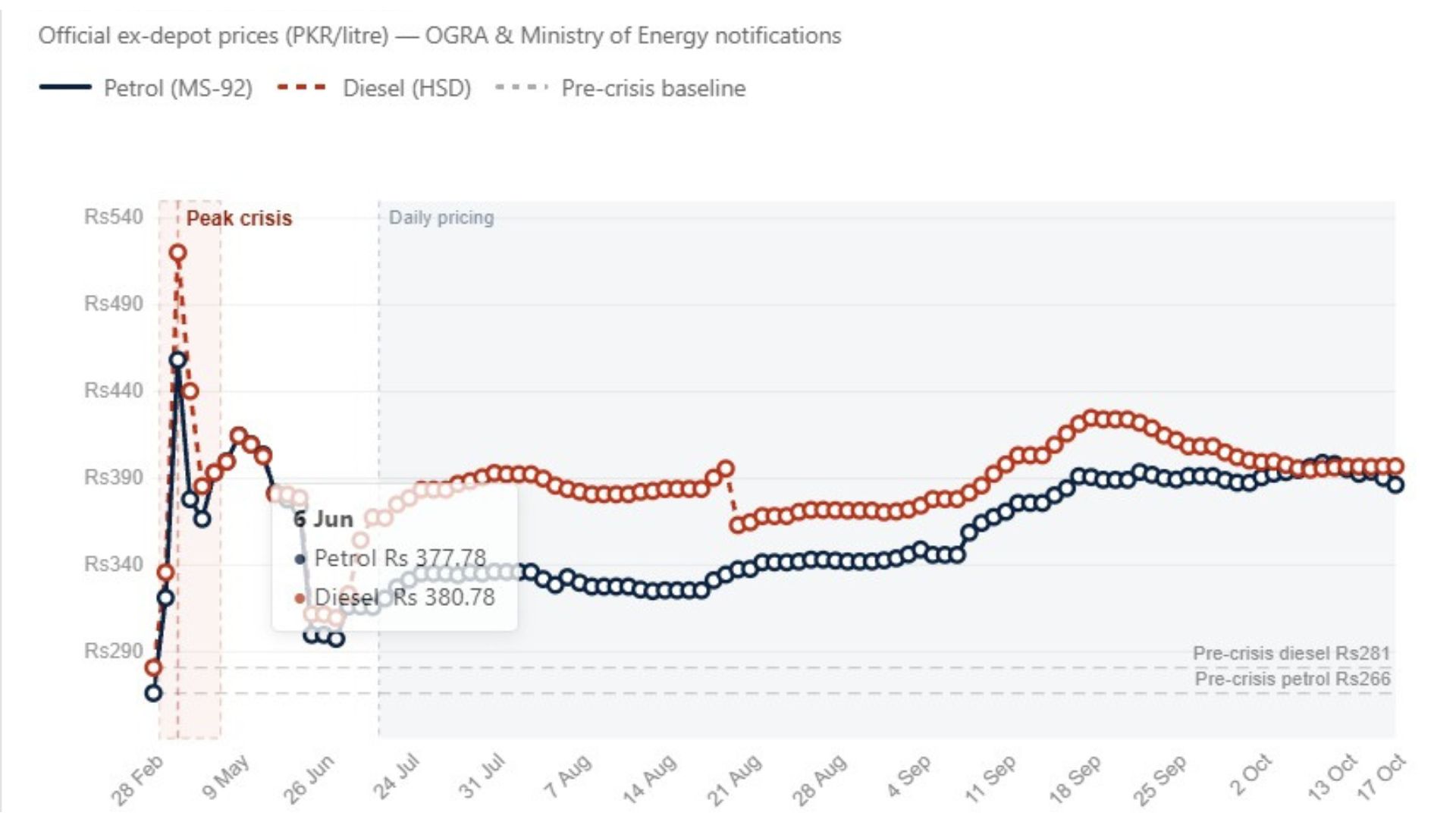
Global fuel prices have surged since the war began in late February, with Iranian retaliation against US allies in the Gulf disrupting oil and natural gas supplies.
UNDP said people in South and East Asia and sub Saharan Africa faced particular risks from higher living costs.
De Croo said rising interest rates were also increasing debt repayments and restricting governments’ access to financing, leaving less room to respond.
According to UNDP, the median developing country now spends about 9.5 percent of government revenue on interest payments, the highest share in 25 years and more than three times the level in high income countries.
He called on advanced economies and multilateral institutions to support growth, resilience and job creation, saying recent cuts to international aid had added to the pressure.
UNDP also warned that an intense El Niño could bring further economic damage through floods, droughts and other extreme weather, with effects expected to peak in early 2027.
De Croo said private investment was needed to help reduce climate losses, alongside better access to financing for developing countries.