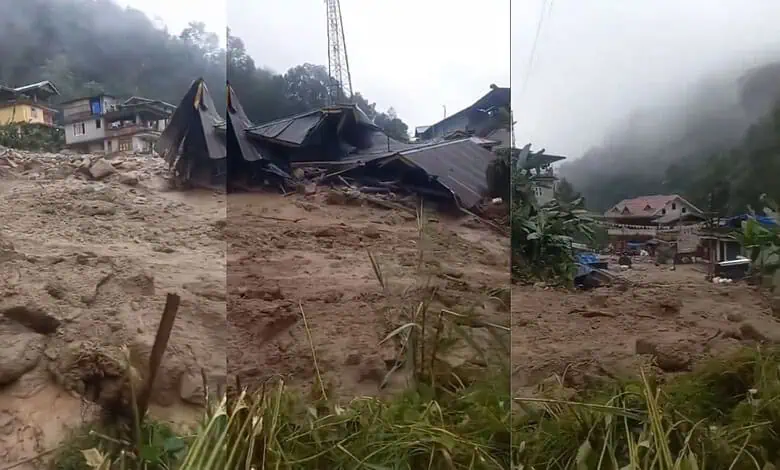


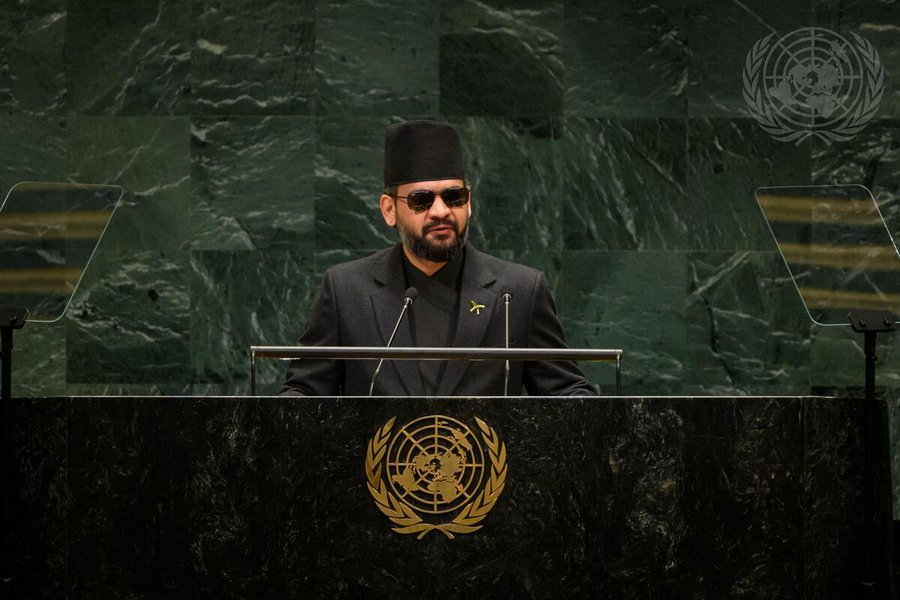
New York: Nepalese Prime Minister (PM) Balendra Shah urged the United Nations General Assembly (UNGA) on Thursday to support a Himalayan Climate Resilience Mechanism led by Nepal, India and China after the Bhotekoshi and Trishuli floods killed at least 1400 people and left more than 6000 missing.
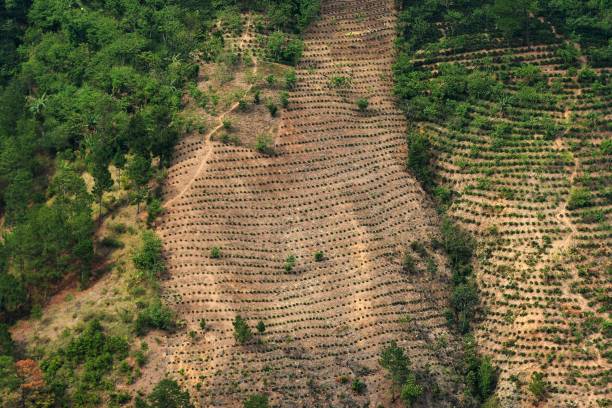
Calling the disaster a warning to the world, Shah said a warming climate was destabilising the fragile Himalayan environment and increasing the danger from collapsing ice, rock, melting permafrost and overflowing glacial lakes.
The floods were triggered by a high altitude collapse of rock and ice near the Nepal China border, sending water and debris through mountain valleys and river systems. The phrase “Himalayan tsunami” describes the speed and destructive force of the flood and does not refer to an ocean tsunami.
Under Shah’s proposal, Nepal, India and China would share satellite data and scientific expertise, jointly monitor dangerous glacial lakes, strengthen early warning systems and coordinate assistance during cross border disasters.
The Himalayas supply water to major rivers supporting populations across South and Central Asia. Floods originating in the mountains can therefore affect communities far beyond the country where they begin.
Shah said Nepal produces less than 0.1 percent of global greenhouse gas emissions but faces heavy human and economic losses from climate related disasters. Initial government assessments placed physical recovery needs at about 10 percent of Nepal’s gross domestic product.
He called for grant based assistance, which does not require repayment, instead of forcing vulnerable countries to borrow for reconstruction. Shah said current international climate funds remained inadequate and difficult to access.
The prime minister also criticised unequal global priorities, saying the world had created “flawless logistics for war and broken logistics for food”.
He said shortages of fuel, fertiliser and essential supplies affected developing states across South Asia, including Pakistan, even as weapons continued to move rapidly across borders.
Nepal has requested support from the UN Fund for Responding to Loss and Damage, which was established to assist vulnerable countries facing destruction linked to climate change.