
Antalya: The next major climate summit will ask a question that has become harder to avoid: after three decades of promises, how much climate action is actually reaching the ground?
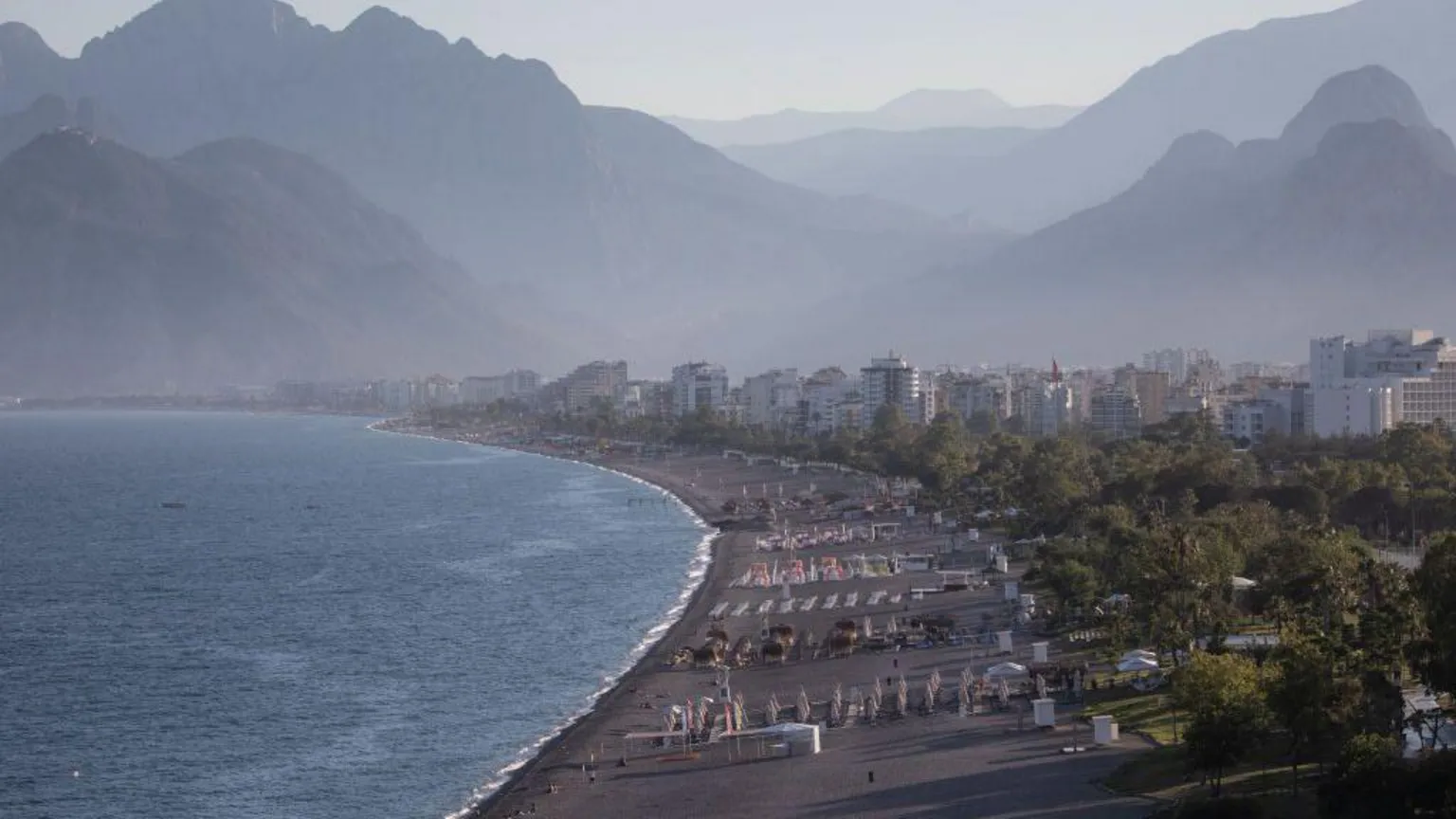
COP31 will take place in Antalya, Türkiye, from November 9 to 20, with countries expected to focus on implementing commitments under the Paris Agreement rather than simply adding new pledges. The United Nations (UN) climate secretariat has already published the provisional agenda for the summit.
The shift has been deliberate. Türkiye's COP31 president designate Murat Kurum has described the summit as an “Implementation COP”, with priorities including the energy transition, resilient cities and infrastructure, sustainable agriculture, climate finance and protection of vulnerable regions and ecosystems.
Australia will lead the negotiations under an unusual arrangement agreed after a dispute over which country should host the summit.
That arrangement itself reflects the politics surrounding COP31.
Türkiye will host the conference and its environment minister will serve as president of the COP, while Australia's Climate Change Minister Chris Bowen will serve as president of negotiations. The compromise was reached at COP30 after Australia and Türkiye competed for the right to host the 2026 summit.
But the biggest disputes will not be about who sits in the presidential chair.
They will concern money, implementation and who pays for climate damage.
Developing countries have repeatedly argued that climate action cannot depend on commitments that remain unfunded. At COP30, Pakistan called for rapid, predictable and grant based climate finance for vulnerable countries, arguing that repeated disasters were increasing debt pressures and undermining development.