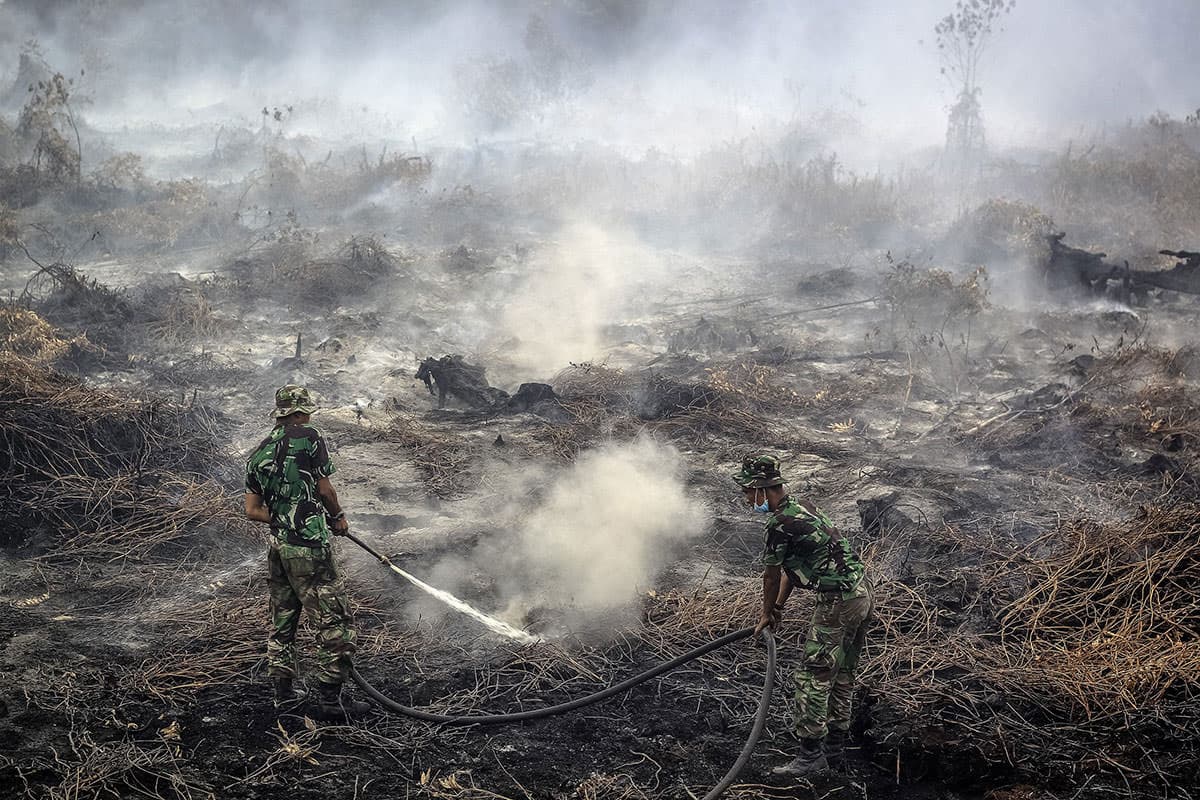

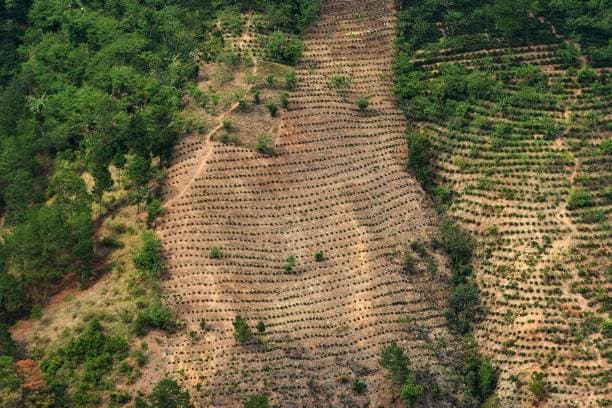
Web desk: The Central American Dry Corridor (CADC) has been severely impacted by this year's El Niño induced weather phenomenon, leading to an acute food crisis. Consequently, more than 70,000 corn farming households have reported devastating crop losses.
The CADC is a tropical dry forest region located on the Pacific coast of Central America and extends from southern Mexico to Panama. This area is extremely vulnerable to climate change, with significant impacts from floods, droughts, and other extreme weather events.
The CADC is home to over 20 million people, many of whom rely heavily on agriculture for their livelihoods, making it particularly susceptible to food insecurity and malnutrition because of climate shocks and prolonged droughts.
According to a report by Oxfam, parts of Guatemala, Honduras and El Salvador, where subsistence farmers rely on corn and beans as staple crops, have been badly affected. Furthermore, a joint assessment with aid group Action Against Hunger, across 58 municipalities, found that the crisis has affected approximately 91,000 rural households.
The assessment claims that 78.6 percent of corn growing households lost between 75 percent and 100 percent of their production, while 64.2 percent of households that retained corn reserves said their stocks would last three weeks or less. Nearly two thirds of bean growing households also reported losses of 75 percent to 100 percent of their production.
Drought was identified as the main cause of crop losses in 89 percent of communities, while more than 23,000 households reported reduced access to their primary water supply.
El Niño is a weather phenomenon that warms the surface of the Pacific Ocean and can trigger intense rainfall and drought across Latin America. Earlier this year, the UN as well as the World Meteorological Organisation (WMO) warned that this year's El Niño will bring above average temperatures, leading to extreme weather events.