

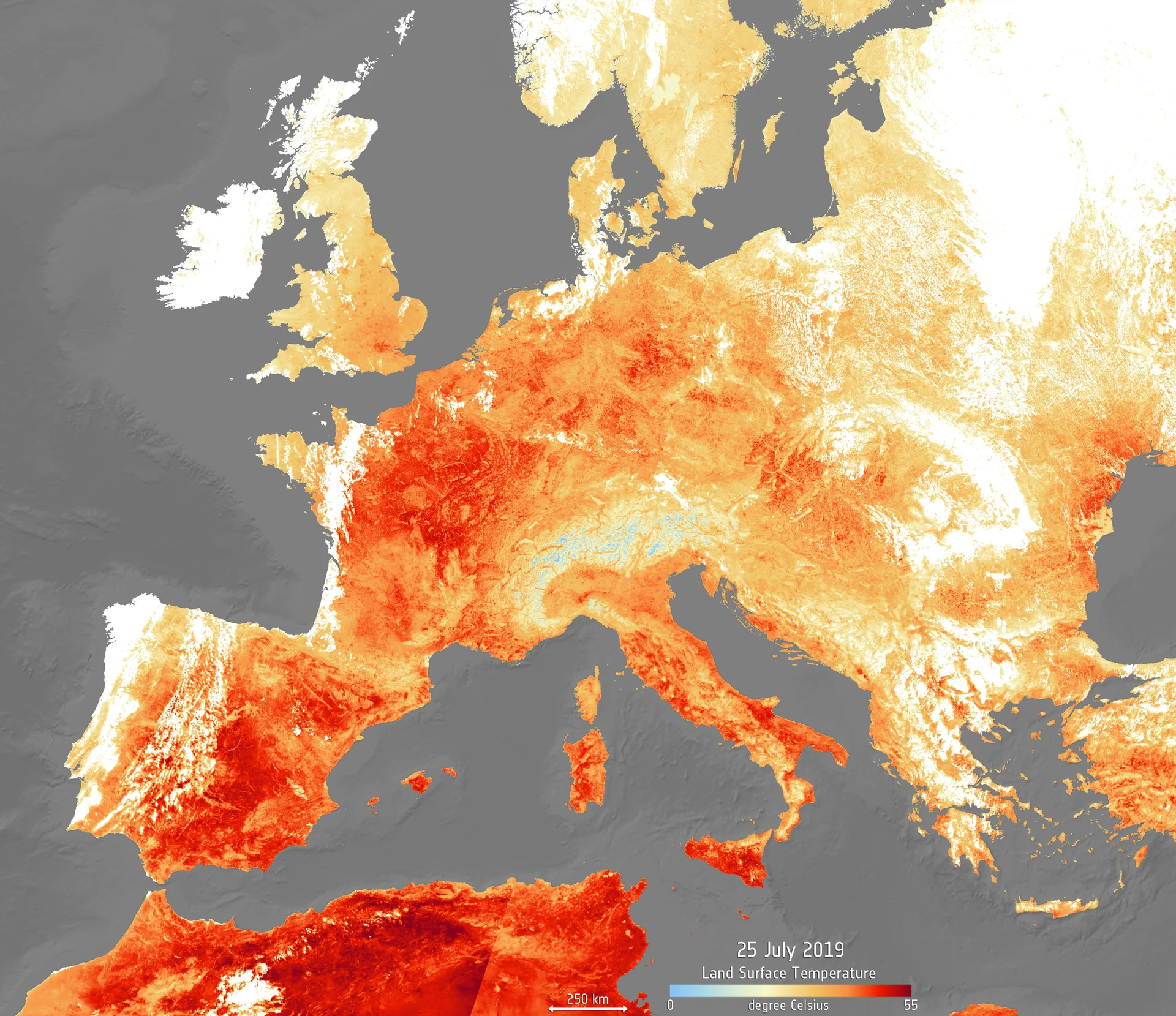
Berlin: Around 15,800 people in Germany have died from heat-related causes this year – significantly more than in any of the past 10 years – according to estimates released on Thursday by the Berlin-based Robert Koch Institute.
As many as five thousand patients in hospital ICUs and wards may also have been victims of heatstroke as temperatures soared and air conditioning units remained unavailable. Only three percent of German hospitals have central air conditioning and many elder patients were particularly susceptible to higher temperatures.
Of the total deaths, 9,600 were attributed to the extreme heat at the end of June, according to the latest weekly report by the institute, which is Germany's national public health body. Another 4,000 deaths were linked to particularly high temperatures during the first two weeks of August. The report covers the period from April 6 to August 16.
The institute recorded 9,500 heat-related deaths in 2018 and 7,600 in 2019. The figures for recent years vary somewhat compared to earlier the institute data. According to a spokeswoman, this is because the estimates are recalculated every month, including for past years.
Just two weeks before the mercury exceeded 40°C, the German Medical Association urged the country to take urgent steps to make sure that hospitals, care homes and doctors’ surgeries remain operational during extreme temperatures.
The German Medical Association argues that heat protection should now become a mandatory part of crisis preparedness – calling for healthcare providers to be involved in implementing new strategies.
Experts have previously called for more funding for heat protection in hospitals and nursing homes due to a lack of cooling.
"Most intensive care units in Germany are now air-conditioned, but that's about as far as it goes,” Susanne Johna, chair of the Marburg Association, Germany’s doctors’ trade union, told local media.
“Only a third of hospitals have air-conditioned patient rooms,” she added.