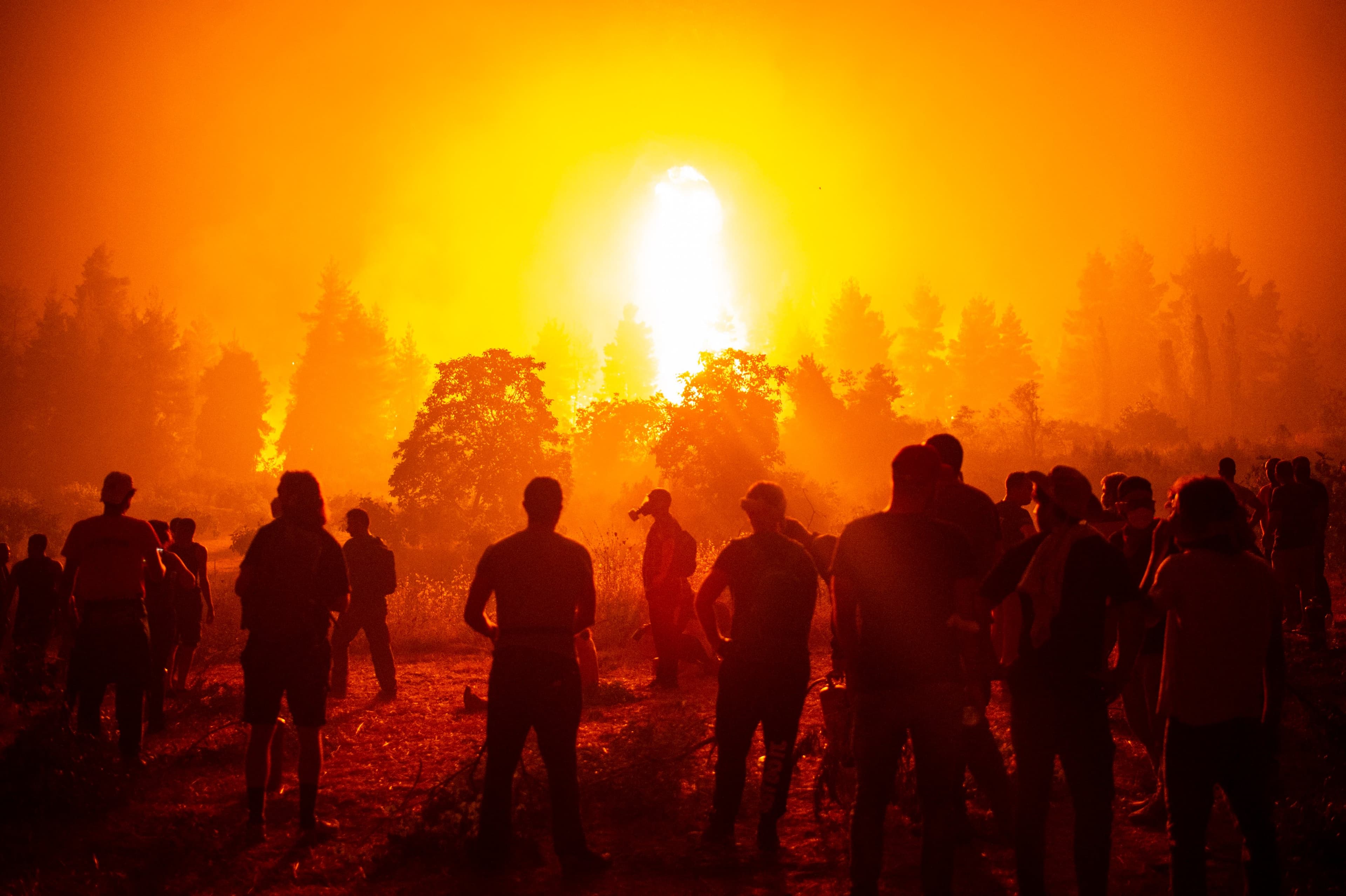

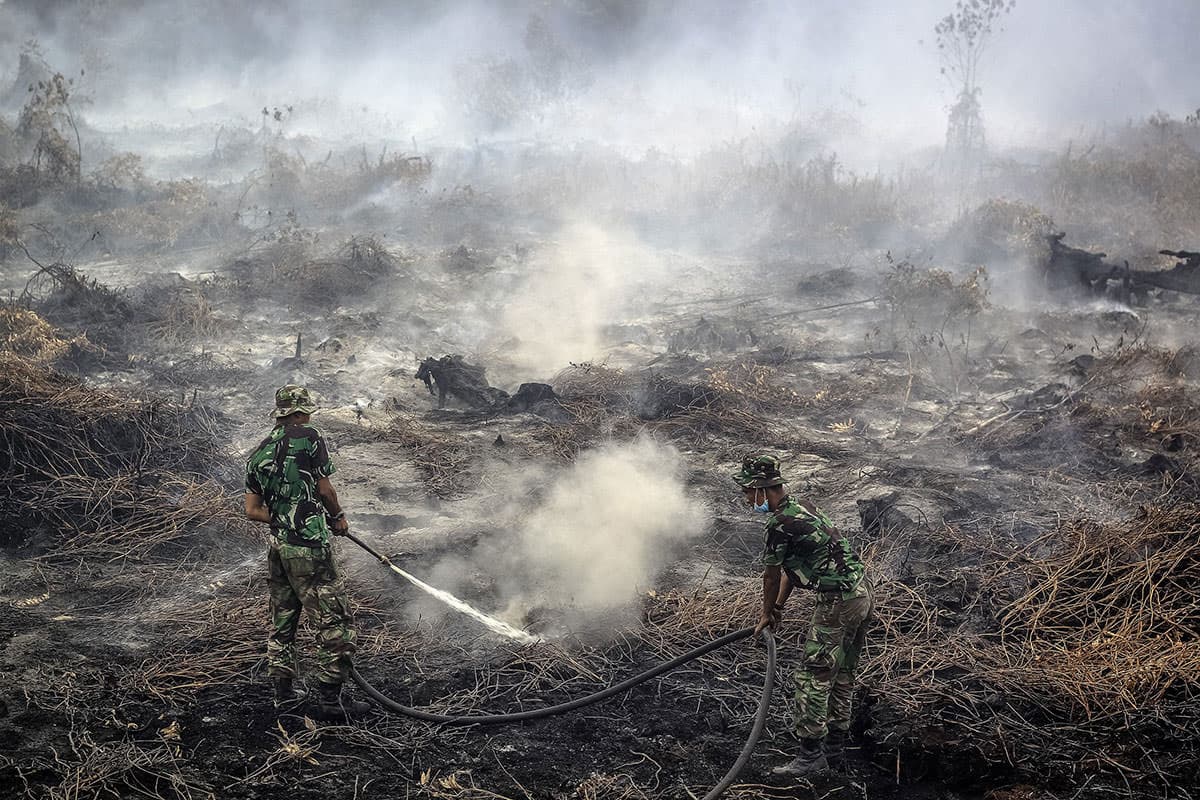
Kuala Lumpur: Smoke from widespread forest and peatland fires in Indonesia has blanketed parts of Malaysia and neighbouring countries, pushing air pollution to hazardous levels and triggering a sharp increase in respiratory illnesses.
Malaysia’s Sarawak state has been among the worst affected, with the Air Pollutant Index exceeding 400 in Kuching and Serian. Authorities consider readings above 100 unhealthy, while levels above 300 are classified as hazardous.
The prolonged haze has disrupted daily life across the region. Hundreds of schools in Sarawak have been temporarily closed, affecting hundreds of thousands of students, while outdoor activities and sporting events have also been suspended.
Malaysia’s Health Ministry reported a steep rise in asthma cases, which increased from 219 during the week of August 16 and 22 to 1,811 between August 23 and 29. Cases of conjunctivitis also rose sharply during the same period.
Indonesia has suffered an even greater impact from the fires. Health authorities said around 13,500 people were treated for respiratory infections during July and August, while approximately 5.5 million residents of Borneo and Sumatra have been exposed to wildfire smoke.
Government figures show that more than 200,000 hectares of land were burned across Indonesia between January and July, with almost half of that area destroyed in July alone.
Fire activity has remained particularly intense in West Kalimantan, where thousands of hotspots have been recorded. Air pollution has also reached extremely dangerous levels in cities including Palangkaraya and Pontianak.
Environmental experts attribute many of the fires to land clearing practices involving plantations and small scale farmers, particularly on carbon rich peatlands. Indonesian authorities have arrested dozens of people suspected of deliberately starting fires.
Scientists warn that worsening El Niño conditions could prolong the fire season by producing hotter and drier weather across Southeast Asia. Peat fires are especially difficult to extinguish because they can continue burning underground for weeks.
It is pertinent to note that the haze is expected to remain a regional threat until sustained rainfall helps extinguish the fires and improve air quality.