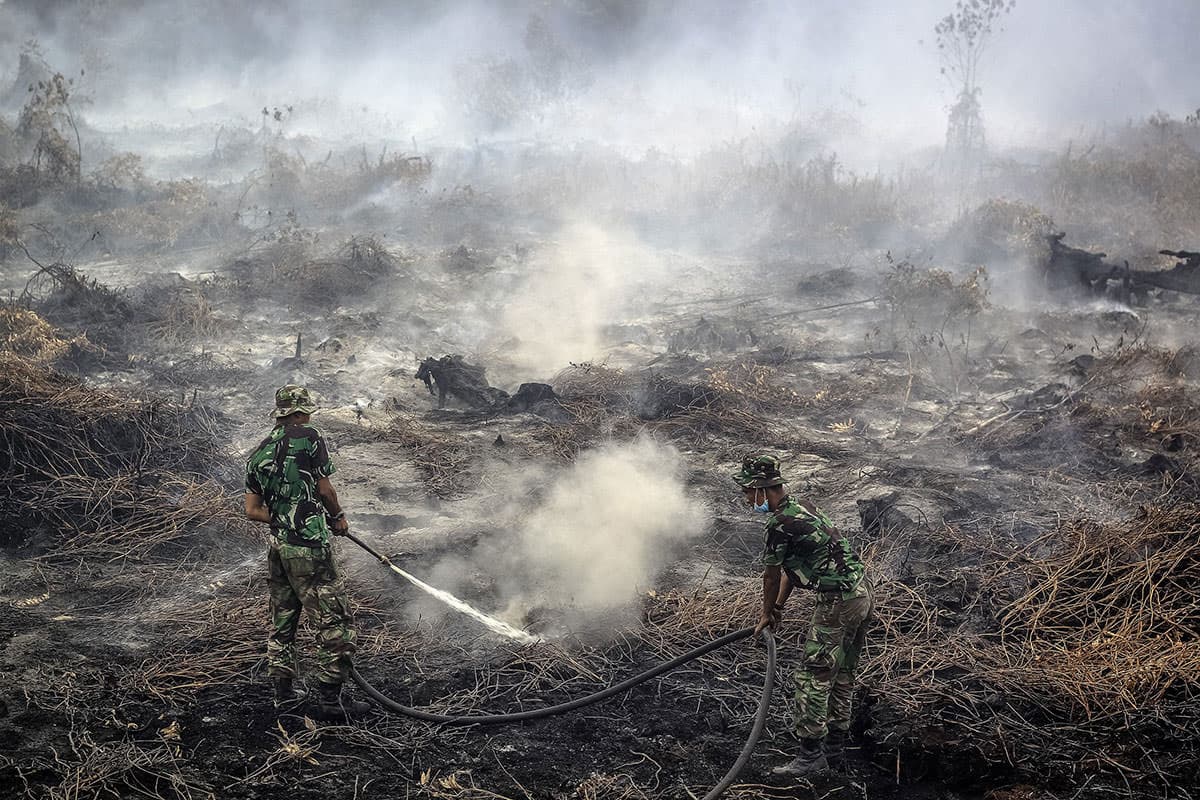

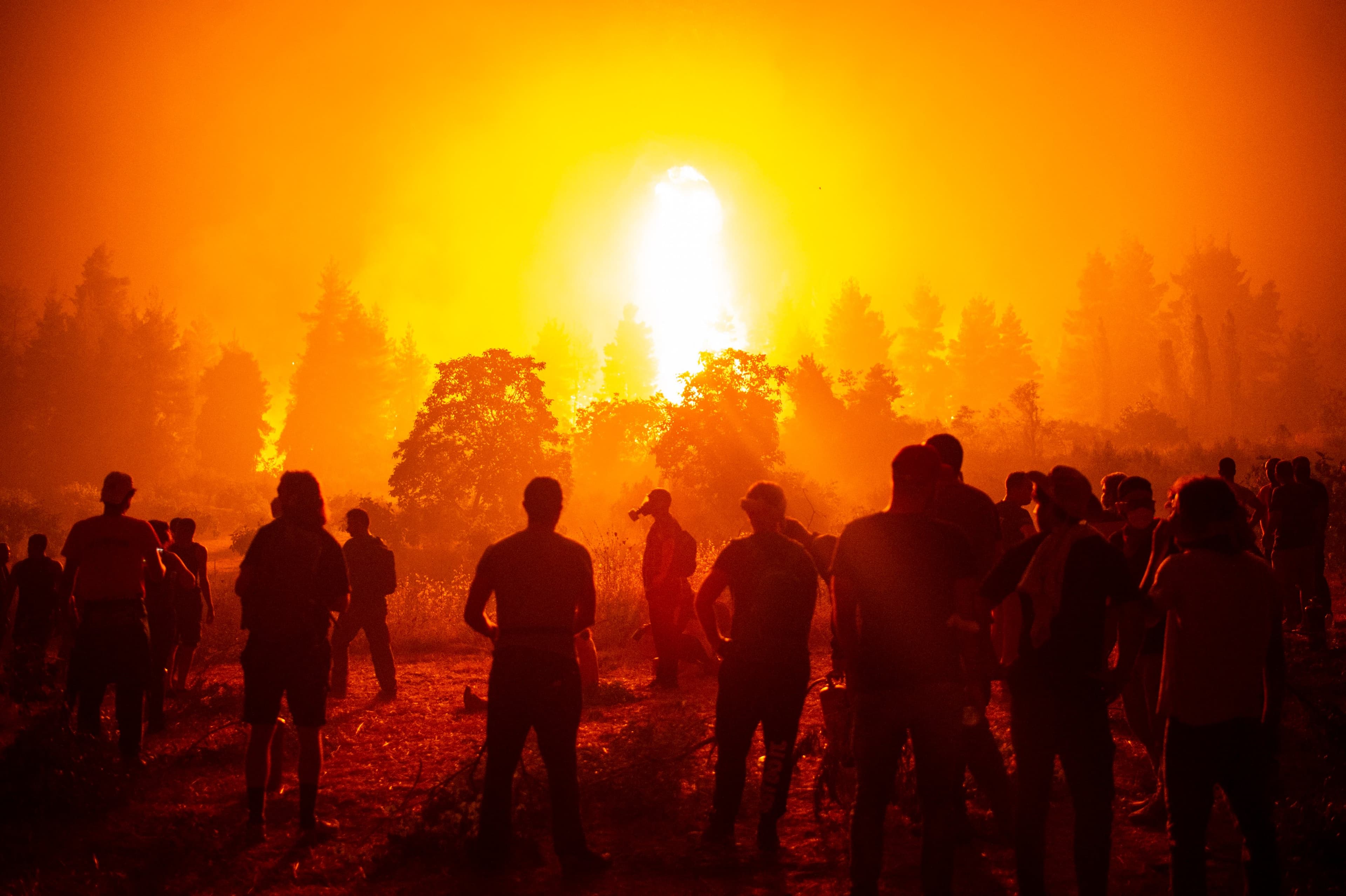
Algiers: The Algerian government has decided to adopt strict punitive measures to deter arson. This move comes in the wake of a series of wildfires that have ravaged several parts of the African country.
Algeria's President Abdelmadjid Tebboune, has ordered the drafting of legislation that would allow the death penalty to be imposed on people convicted of deliberately setting forest fires.
The directive about this legislation was issued by the president during a high level meeting about a mitigation strategy to curtail the impact of the wildfires.
It must be noted that wildfires across northern Algeria have brought residential areas, critical transport corridors, and agricultural lands directly into the path of rapidly spreading flames since late August.
The destruction so far has claimed at least 12 lives and forced the emergency closure of major national highways across Béjaïa, Jijel, and Tizi Ouzou.
Moreover, the latest outbreak follows a summer of repeated fires across the country, with authorities recording nearly 2,000 fires nationwide in July, while fires in the northeastern province of Annaba at the end of the month forced more than 100 people to leave their homes and damaged nearly 150 houses.
The current fires have again brought residential areas, roads, as well as other infrastructure into the path of rapidly proliferating flames. Forest fires occur regularly in northern Algeria during the summer, with increasingly frequent drought and periods of intense heat contributing to more severe fire conditions.
However, the situation in Algeria forms part of a wider 2026 wildfire season affecting communities across multiple continents. As of August 1, 112.3 million hectares had burned globally, according to data from the Global Wildfire Information System compiled by Our World in Data.
Africa accounted for 55.1 percent of the total burned area, with the Democratic Republic of Congo recording the largest national total at 13.6 million hectares, followed by Australia at 11.8 million hectares and Angola at 7.5 million hectares.
Nevertheless, these figures include agricultural and prescribed burning, meaning they do not directly represent the extent of uncontrolled wildfires.