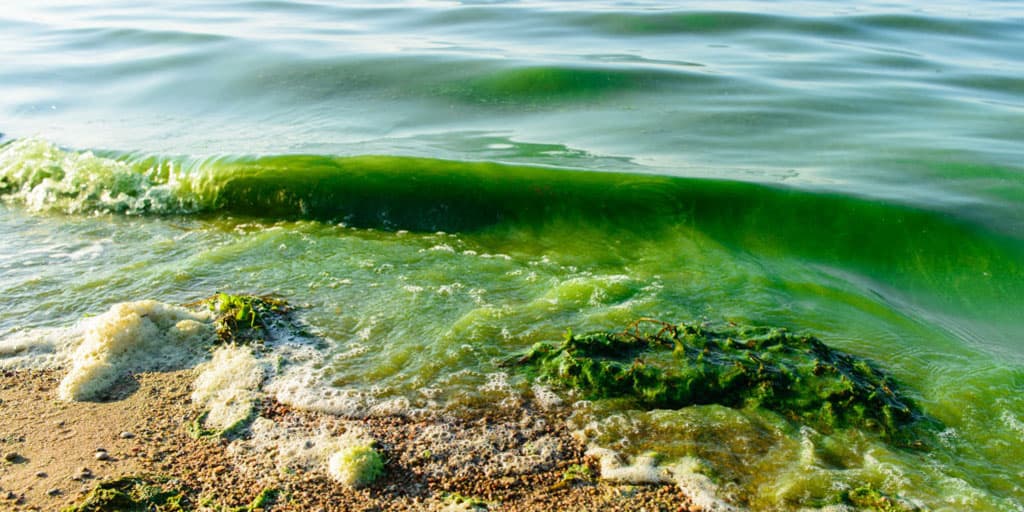
A mile long microalgae bloom in the Mediterranean Sea has temporarily disrupted five coastal desalination plants in occupied Palestine, affecting a key source of the country’s drinking water, according to reports.
The region relies heavily on desalination because of its limited natural freshwater resources. The plants provide at least 65 per cent of the country’s drinking water, so the disruption is significant for the national water system.
The problems began over the weekend when unusually cloudy seawater affected desalination facilities along the coast. By Thursday, only one of six plants was operating at full capacity, although some affected facilities had partially resumed operations.
Scientists identified the material in the water as microalgae, microscopic organisms that can multiply rapidly when environmental conditions are favourable. Researchers believe the bloom may have originated near Egypt’s Nile Delta and then travelled north along the Mediterranean coast with sea currents. The bloom is reported to have stretched for more than a dozen miles.
The algae and other suspended material have increased seawater turbidity, creating problems for desalination facilities that rely largely on reverse osmosis technology. The process uses membranes to filter salt and other substances from seawater, but high concentrations of suspended material can foul the membranes and interfere with treatment.
Water authorities have so far maintained household drinking water supplies by drawing more heavily on other sources, including groundwater wells, the Sea of Galilee and national reserves. Some local restrictions have been imposed, particularly affecting irrigation and other nonessential water use, while farmers using drinking water quality supplies have been hit hardest.
The precise cause of the unusual bloom remains under investigation. Researchers have pointed to a combination of factors, including elevated sea temperatures, storm driven turbidity, nutrients, currents, and mixing.
Separate reporting has raised the possibility that untreated sewage from Gaza, where wastewater infrastructure has been severely damaged, may have contributed additional nutrients to the coastal waters. That link has not been established, and scientists are continuing to assess the environmental factors behind the bloom.
The incident comes as the World Health Organisation (WHO) has warned of deteriorating water quality in Gaza. WHO reported that microbiological contamination in tested water samples rose from just under 6 per cent in January to almost 20 percent in August, while cases of acute watery diarrhoea increased from about 30000 in March to more than 58000 in August.
The desalination shutdown has not so far led to a widespread shortage of drinking water in the region, but it has placed additional pressure on the areas wider water system.