Washington: US President Donald Trump has acknowledged that the war with Iran contributed to Republican losses in the November 3 midterm elections, as Democrats secured victories that put them on course to control both chambers of Congress.
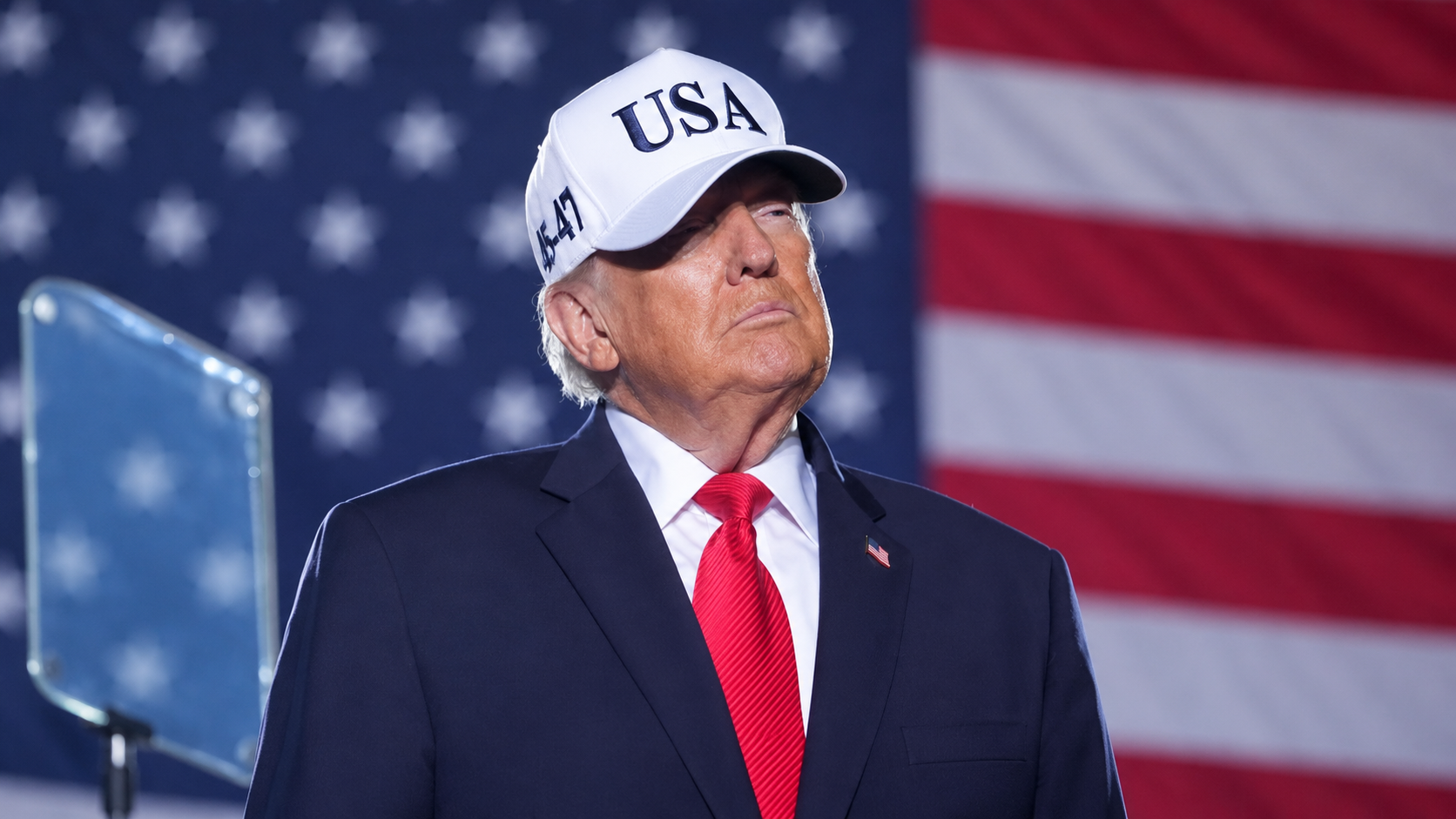
Speaking to Fox News on Tuesday night, Trump said the conflict had affected Republican candidates but defended his administration's decision to launch military operations against Iran in February.
"I think a part of it was Iran, but at the same time people understood the importance of what I've done with Iran," Trump said.
He also linked the election outcome to rising petrol prices, suggesting that voters supported his policy towards Tehran but were unwilling to bear the financial consequences of the conflict.
The president said he expected Democrats to introduce legislation he opposed and indicated that he would use his veto powers to block it. He predicted that disagreements over legislation would eventually lead both parties to negotiate. Trump also congratulated Democrats on their electoral performance but rejected suggestions that the results represented a personal defeat.
"I don't view it as a hit on me," he said, arguing that Republicans would have performed better if he had been on the ballot. The comments came as US media projected Democratic control of the House of Representatives and Senate, reversing the Republican majority that had supported Trump's legislative agenda during the first two years of his second term.
The war with Iran became an issue during the campaign as higher energy costs affected households and businesses across the US. The conflict, which began in February following US and Israeli military strikes against Iran, disrupted oil shipments through the Strait of Hormuz, a route used for a substantial share of global oil exports.
According to reporting by Business Insider, regular petrol prices in the United States were approximately 36 percent higher than a year earlier, while diesel prices had risen by around 70 percent.
The increase added to concerns about living costs, alongside the effects of Trump's tariffs and other economic policies. Trump maintained that the costs associated with the conflict were temporary and argued that energy prices would decline once the fighting ended. However, he did not announce a timetable for ending military operations or provide details of a settlement with Tehran.
Trump criticises Republican candidates after defeat
Following the election, Trump said he would explain why Republicans had lost and began criticising members of his own party. He singled out Texas Governor Greg Abbott, who lost his re election bid to Democrat Gina Hinojosa, accusing him of abandoning Republican principles. Trump said Abbott's defeat could have been avoided had he remained aligned with the party's agenda.
The White House also raised questions about the performance of Republican candidates. A White House official said the president had devoted considerable effort to promoting party nominees, but some had failed to secure sufficient voter support.
The criticism followed Trump's campaigning across several states, including Iowa and Kansas, where he held rallies in support of Republican candidates.
The election results represent a change in the balance of power in Washington. Republicans entered the midterms controlling the presidency and both chambers of Congress, allowing them to pursue legislation and government appointments with support from their party's lawmakers. Democratic control of Congress would make it harder for Trump to pass legislation on taxation, immigration and federal spending without negotiating with the opposition.
The Senate would also gain the ability to block presidential nominees requiring confirmation, while congressional committees could conduct investigations into government decisions. However, Trump would retain executive authority and the power to veto legislation. Overriding a presidential veto would require a two thirds majority in both chambers. That balance could result in disagreements over government funding and other legislative priorities.
What happens next?
The new Congress will take office in January 2027, marking the beginning of the final two years of Trump's presidency. The outcome follows a pattern in US politics in which the president's party frequently loses congressional seats during midterm elections. For Democrats, control of Congress would provide an opportunity to challenge administration policies and exercise oversight.
For Trump, the results create a choice between negotiating with Democratic lawmakers and relying on presidential vetoes and executive powers to pursue his priorities. The direction of US policy towards Iran will also remain under scrutiny as the administration faces questions about the conflict's economic consequences and prospects for a negotiated settlement.