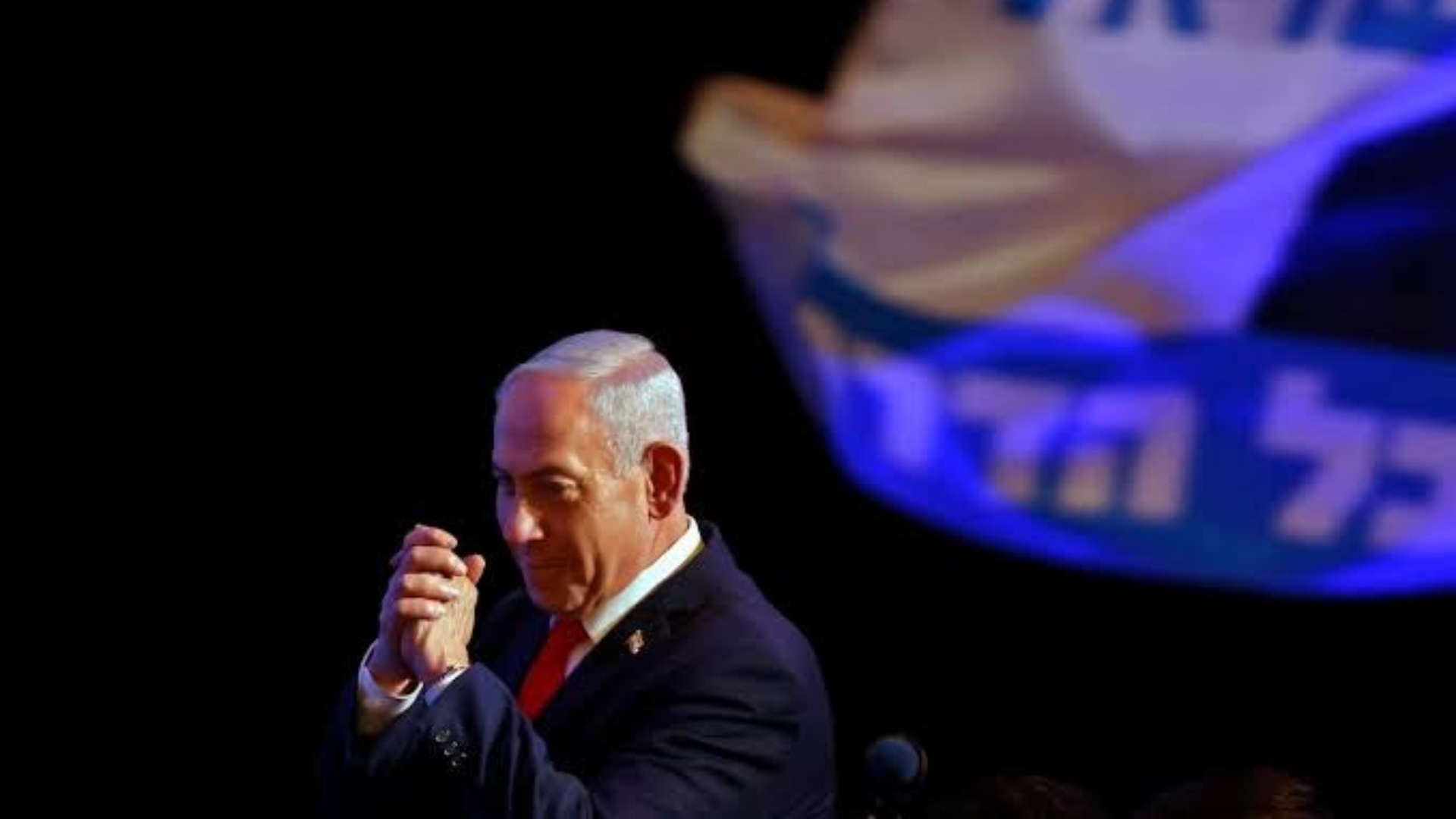
Jerusalem: The election commission of the occupying forces in Palestine rejected Prime Minister Benjamin Netanyahu's claims of widespread electoral fraud, saying its review found no evidence that irregularities compromised the 27 October parliamentary vote.
The Central Elections Committee said it examined complaints from political parties and audited 9069 polling stations. It concluded that the announced results reflected voters' choices and that no findings warranted questioning the election's integrity.
The decision follows Netanyahu and his Likud party repeatedly accusing Arab majority parties of manipulating the vote, after significant electoral gains left his governing bloc without a parliamentary majority.
Fraud allegations and foreign interference investigation
Netanyahu cited the arrest of several individuals allegedly carrying envelopes of cash on election day and accused Arab lawmakers of receiving financial assistance from Qatar.
However, election officials maintained that the allegations do not prove systematic fraud or call the overall results into question.
A separate investigation by the domestic intelligence agency Shin Bet into suspected foreign interference is ongoing. The agency previously clarified that its inquiry was limited in scope and did not implicate Arab voters as a group.
Attorney General Gali Baharav Miara said on 3 November that individuals would not be questioned without sufficient evidence, following reports that Shin Bet officials sought to interrogate members of Arab political parties.
Likud criticised her position, alleging that it impeded investigations into possible foreign involvement.
Opposition leader Gadi Eisenkot accused Netanyahu's party of seeking to undermine democratic institutions, while former prime minister Yair Lapid rejected the possibility of a unity government under Netanyahu.
Arab parties hold key parliamentary seats
The October 27 election produced a divided 120 member parliament, with neither major political bloc securing the 61 seats required for a majority.
Netanyahu's religious nationalist bloc secured 53 seats, while Eisenkot's opposition alliance secured 48. Arab majority parties collectively secured 19 seats, substantially increasing their parliamentary representation.
Their support could prove decisive in negotiations over the next government, although some opposition politicians expressed reservations about forming an administration reliant on Arab lawmakers.
President Isaac Herzog is scheduled to receive the official election results on Wednesday, before beginning consultations with parliamentary parties to decide who gets the first opportunity to form a government.
Coalition talks could extend for weeks
Netanyahu called for a broad national unity government under his leadership, while opposition figures remain divided on possible coalition arrangements.
The latest dispute follows years of political instability, including five elections held between 2019 and 2022.
With the election commission rejecting allegations of widespread fraud, attention now turns to Herzog's consultations and to whether the divided parliamentary blocs can negotiate a governing majority.