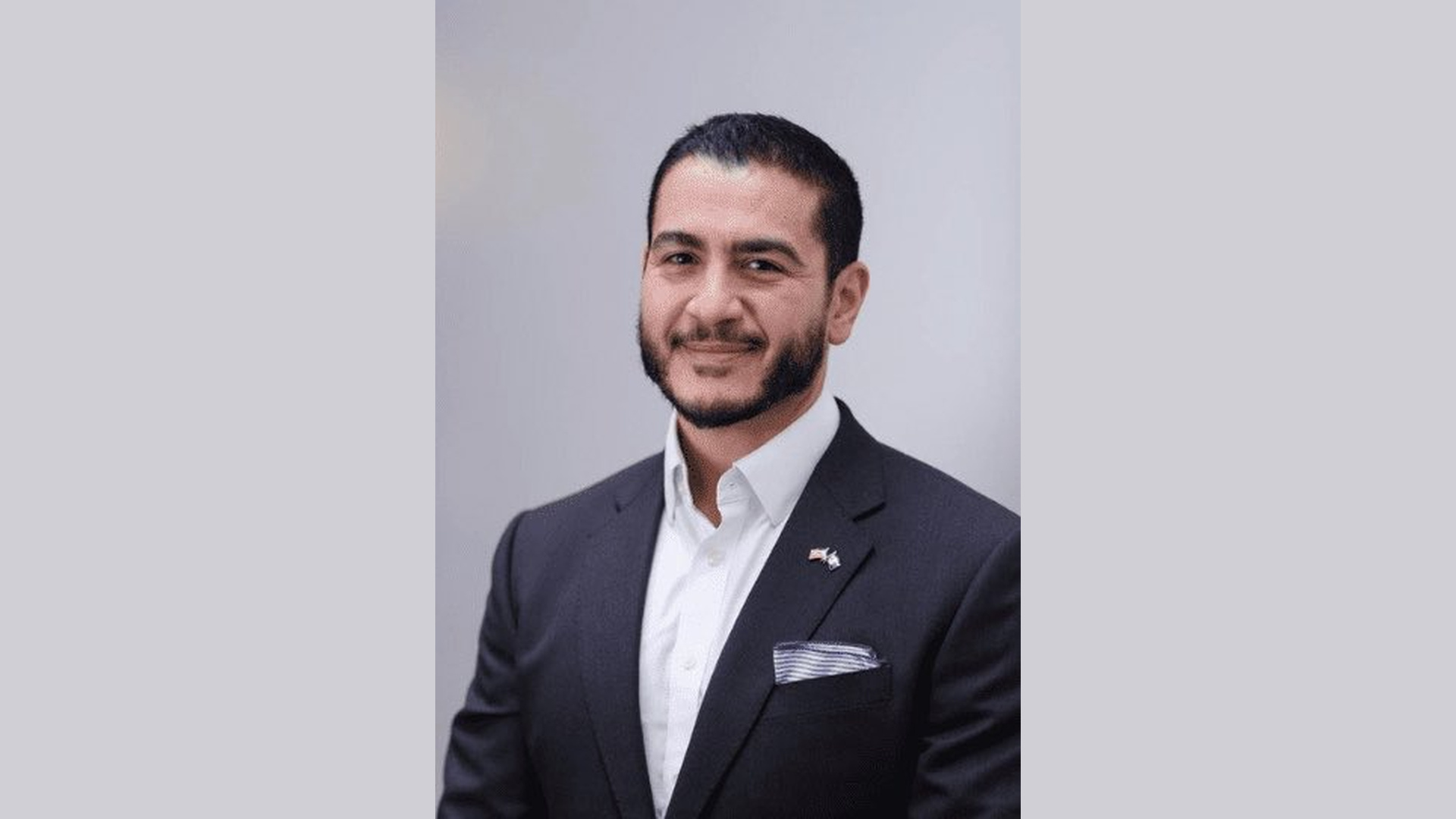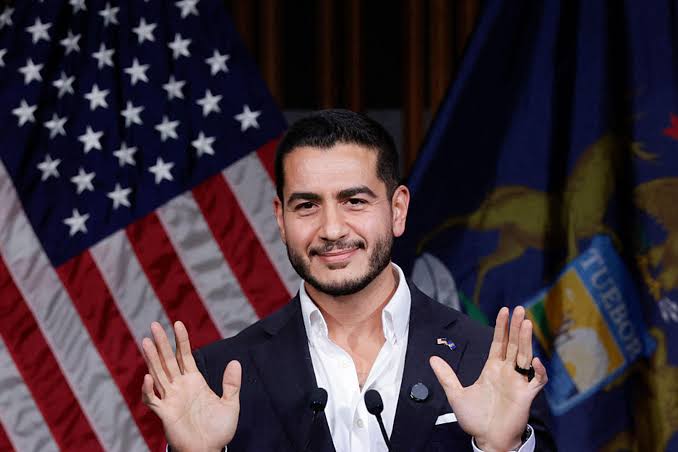
Washington: Democrat Abdul El Sayed has won Michigan's US Senate election, becoming the first Muslim elected to the upper chamber of Congress, according to projections by the Associated Press. El Sayed defeated Republican Mike Rogers in Tuesday's midterm elections to secure the seat being vacated by retiring Democratic Senator Gary Peters. The result comes as Democrats regain control of Congress, dealing a setback to President Donald Trump during his second term.

After his projected victory, El Sayed celebrated the result and thanked Michigan voters.
"MICHIGAN, WE DID IT!" he declared, telling supporters he was proud and honoured to stand before them as senator elect. He also directed a remark at Vice President JD Vance, referring to the vice president's role in administering the oath of office to incoming senators.
"JD, habibi, there is this delicious irony in the fact that you're constitutionally obligated to swear me in in January," El Sayed said in remarks circulated following the election. The Arabic word habibi is a term of affection commonly translated as "my dear". The comment followed exchanges between El Sayed and Vance during the election campaign, when the vice president questioned the Democratic candidate's political views and commitment to American values.
Victory follows disputes over identity and political views
El-Sayed, a physician, former public health official and son of Egyptian immigrants, campaigned on healthcare reform, economic inequality and limiting the influence of corporate money in politics. His proposals included expanding access to healthcare through Medicare for All and ending US military assistance to Israel.
The election attracted attention because of Michigan's political importance and disagreements within the Democratic Party over its direction. El Sayed secured the Democratic nomination in August after defeating Congresswoman Haley Stevens in a primary contest that drew spending from political groups with differing positions on Israel and US foreign policy.
Stevens subsequently endorsed Republican Mike Rogers shortly before the general election, citing disagreements with El Sayed's positions. During the campaign, Vance criticised El Sayed at an October rally in Michigan, accusing him of showing contempt for American traditions and questioning his political outlook.
El Sayed rejected the accusations, arguing that his background and commitment to public service aligned with American values.
'Inshallah' becomes part of victory message
El Sayed also referred to his use of the Arabic expression inshallah, meaning "God willing", which he had repeatedly used while discussing his chances during the campaign. Following the result, he told supporters that the earlier expression of hope could now become alhamdulillah, meaning "praise be to God". His remarks reflected the result's significance for a candidate whose Muslim identity had become part of the election debate. Why will JD Vance administer the oath?
Under US law, the president of the Senate administers the oath of office to newly elected senators. The vice president serves as president of the Senate and traditionally performs the ceremony when the new Congress convenes. However, the Senate's president pro tempore can administer the oath if the vice president is absent.
El Sayed's comment therefore referred to a responsibility normally carried out by Vance, not an absolute constitutional requirement that Vance personally swear him in. El Sayed's election comes amid gains by Democratic candidates in states previously controlled by Republicans. His victory is significant for Muslim representation in national politics, as he will become the first Muslim to serve in the US Senate.
It also provides some support for progressive economic and foreign policy proposals in Michigan, where the contest drew attention from both major parties. The result follows debates within the Democratic Party over healthcare, campaign financing and US policy towards Israel and Palestine.
El Sayed is expected to take office in January 2027 for a six year term. His ability to advance his legislative priorities will depend on support from fellow senators, negotiations within the Democratic Party and the balance of power between Congress and the Trump administration.