Washington: Democrats have regained control of the US Senate following gains in the November 3 midterm elections, marking a setback for President Donald Trump as he enters the final two years of his second term. The Associated Press and other US media outlets projected a Democratic Senate majority after the party captured seats previously held by Republicans, including in Texas, Kansas and South Carolina.
Democrats also made gains in the House of Representatives, although the Associated Press had not yet confirmed control of that chamber in its latest available reporting. The elections were held amid public concerns over inflation, fuel prices, the war with Iran and the Trump administration's economic policies.
Democrats gain Senate seats in Republican states
In South Carolina, Democrat Annie Andrews defeated Republican Darline Graham, becoming the first Democrat to win a Senate election in the state since 1998. Graham, the sister of the late Republican Senator Lindsey Graham, had been appointed to fill his seat and received Trump's backing for a full term. Her defeat came in a state where Trump won by nearly 18 percentage points in the 2024 presidential election.
In Ohio, former Democratic Senator Sherrod Brown defeated Republican Jon Husted in a special election for the remainder of Vice President JD Vance's former Senate term. Brown's victory returned him to the chamber after his defeat in the 2024 elections.
Democrat Roy Cooper also won North Carolina's Senate race, while the party retained seats in Georgia and New Hampshire. In Iowa, Democrat Josh Turek defeated Republican Ashley Hinson. The contest took place amid concerns about the effects of Trump's trade tariffs on farmers, whose businesses depend partly on access to export markets.
Democratic victories in states that had previously supported Republicans contributed to the party's Senate majority and indicated changes in voting patterns beyond traditional Democratic constituencies.
Living costs and Iran war shape voter concerns
Economic issues featured throughout the election campaign, with voters raising concerns about household expenses, fuel prices and the effects of tariffs on imported goods. The US military campaign against Iran, launched in February, also became an election issue as higher energy prices affected consumers and businesses.
Exit polls conducted by SSRS for American media organisations indicated that approximately half of voters considered the elections an opportunity to express opposition to Trump. Around 70 percent of those surveyed wanted Congress to exercise greater checks on presidential power, while approximately three-quarters expressed dissatisfaction or anger with the country's direction.
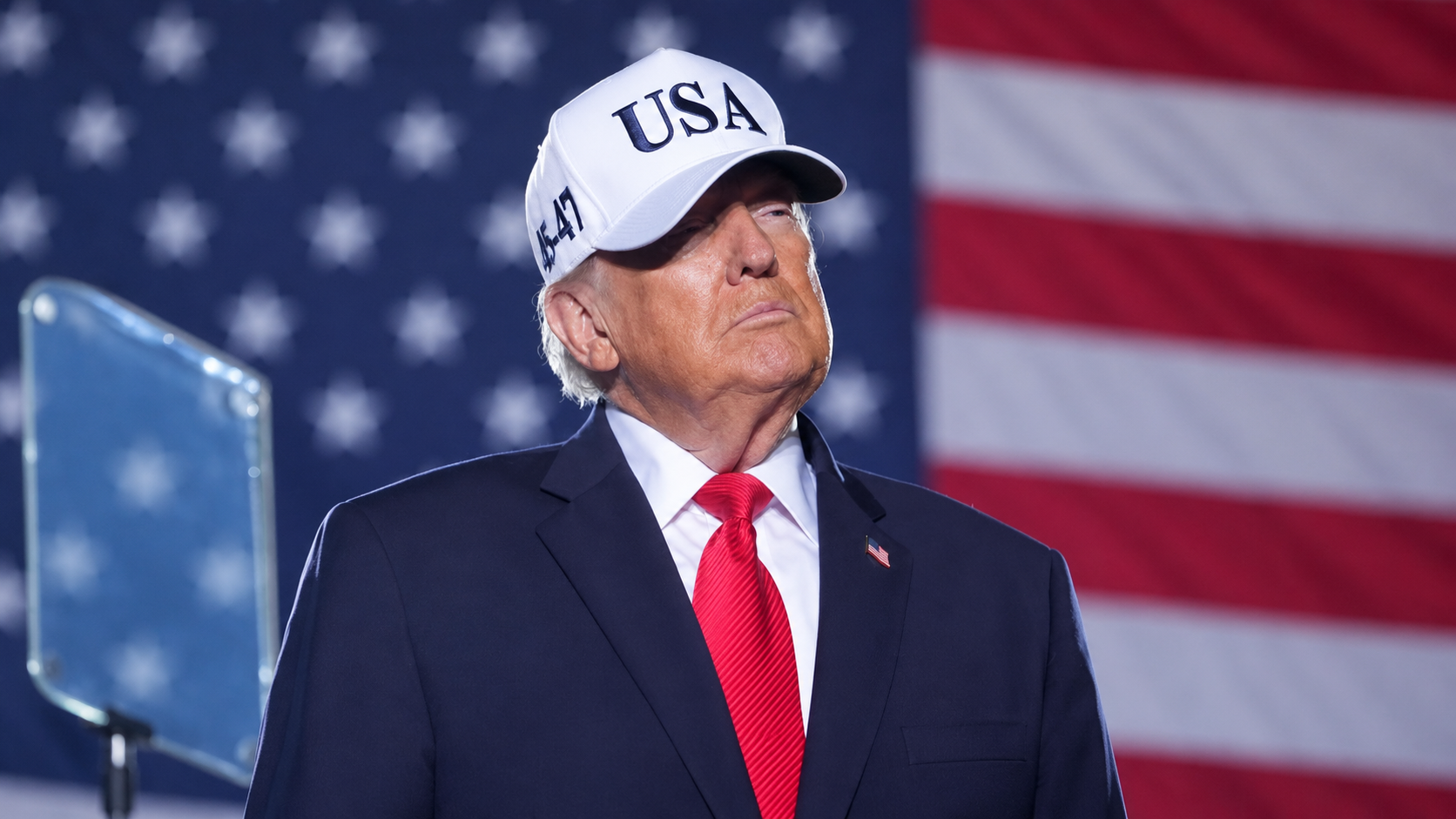
Trump had campaigned for Republican candidates and encouraged supporters to treat the election as a judgement on his presidency, telling them to pretend he was on the ballot. Democratic Senator Jon Ossoff, who retained his seat in Georgia, described the results as a rejection of Trump's leadership.
Republicans, meanwhile, had portrayed Democratic candidates as holding positions outside the political mainstream, particularly on immigration, taxation and government spending. Democrats rejected those characterisations.
Democrats projected to regain House control
Democrats have also made gains in the 435 member House of Representatives, where a party needs 218 seats to secure a majority. ABC News and Decision Desk HQ have projected that Democrats will regain the House, although the Associated Press had not called control of the chamber in its latest available update. Several constituency results were still outstanding.
If the projections hold, Democratic control of the House and Senate would allow the party to block parts of Trump's legislative agenda, hold hearings into his administration and exercise greater influence over federal appointments. Senate control would be particularly consequential for judicial nominations, which require confirmation by the upper chamber.
However, the president would retain the power to veto legislation, while overriding a veto would require a two thirds majority in both chambers. This could result in disagreements over federal spending, immigration and foreign policy during the remaining two years of Trump's presidency.
Election monitoring draws criticism
The elections also took place amid disputes over federal election monitoring. The US Justice Department said it deployed approximately 1,000 election monitors and observers across all 50 states, describing the operation as its largest Election Day monitoring effort.
Democrats criticised the deployment, raising concerns that the presence of federal officials could discourage voters from participating. A Reuters analysis found that approximately two thirds of the jurisdictions identified by the department had supported Democratic presidential candidate Kamala Harris in 2024.
Election officials in several states reported no problems, although authorities in New Mexico said federal monitors had asked unusual questions in one county. The Justice Department subsequently provided assurances that the matter would be addressed.
The newly elected Congress will take office in January 2027, marking the beginning of the second half of Trump's presidential term. The shift in congressional control could affect the administration's ability to secure funding, pass legislation and obtain confirmation for government and judicial appointments.
Democrats would also gain the authority to conduct congressional investigations and request documents from the administration. The results follow a pattern in American politics in which the president's party frequently loses congressional seats during midterm elections.
For Trump, the immediate challenge will be negotiating with a Congress in which Democrats have gained greater influence over legislation and oversight. The final distribution of seats will become clearer as outstanding votes are counted and individual states certify their election results.