Tehran: The reported US strikes on Iran’s Qeshm Island have raised fresh concerns about security in the Strait of Hormuz, a vital route for global energy supplies and regional trade.
The United States carried out limited strikes on Qeshm Island on Monday, according to US officials cited by Reuters and the Associated Press. The reports described the operation as defensive, but Washington had not publicly announced the strikes.
Iranian state media reported several explosions on the island late on Monday. The state news agency Islamic Republic News Agency (IRNA) reported blasts in rapid succession, and witnesses cited by the agency said they had seen two aircraft over the island. Iran’s semi official Fars news agency also reported explosions near the coastal port city of Bandar Lengeh, according to Al Jazeera.
The reported US operation followed claims by American officials that Iranian forces had used surface to air missiles against US assets. The Associated Press reported that a US official described the strikes as a response to those threats. ABC News separately cited two US officials who said the operation was limited and did not signal a return to major combat operations.
The Pentagon referred questions about the reported strikes to US Central Command, which had not publicly confirmed the latest operation at the time of reporting. The distinction matters: Iranian media reports support the occurrence of explosions, while the account of a US military strike and its stated purpose rests on official US sources cited by news organisations.
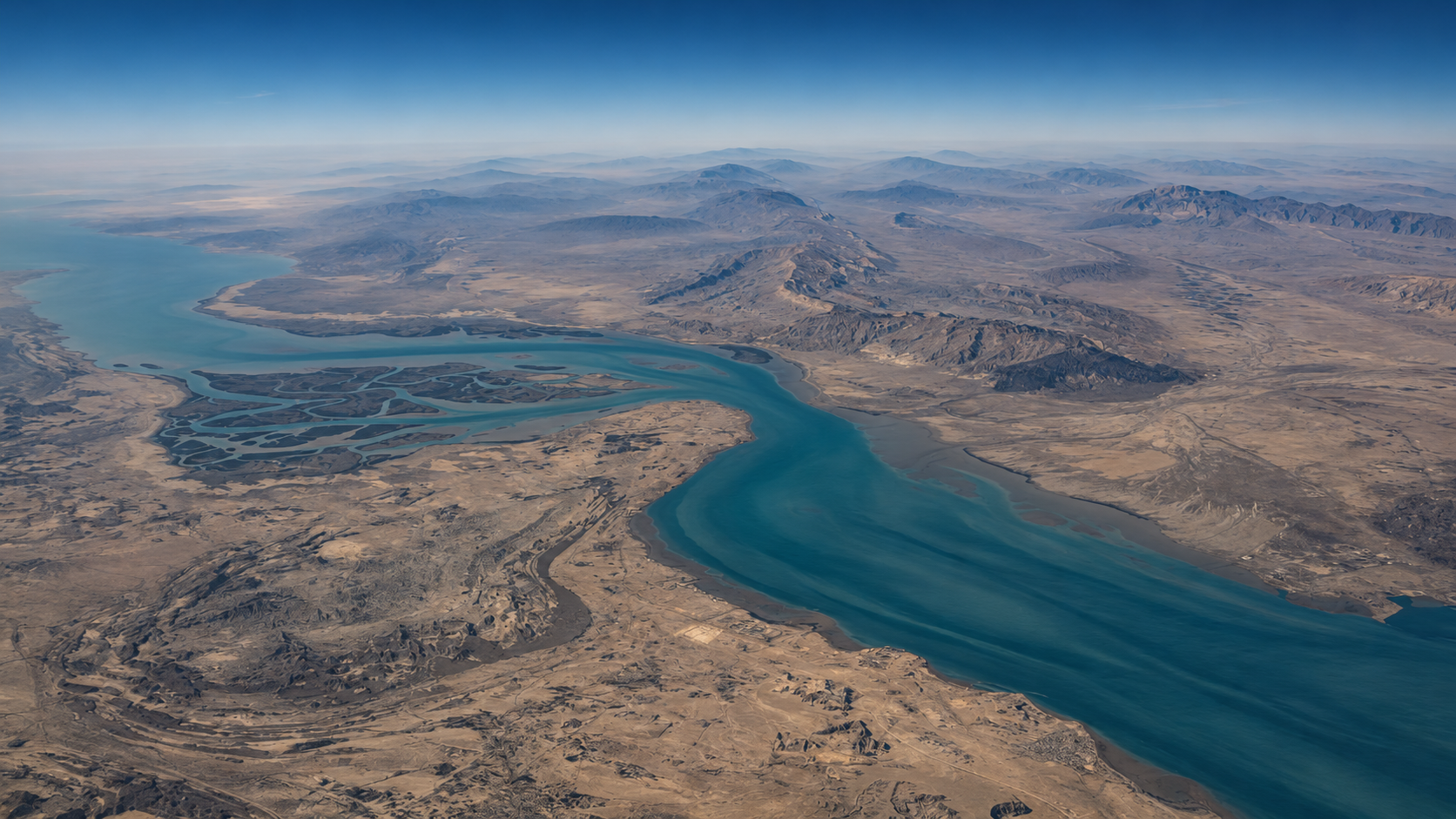
Qeshm is strategically located near the Strait of Hormuz, which links the Persian Gulf to the Gulf of Oman and the Arabian Sea. The island’s position places it close to one of the world’s most important maritime routes.
The International Energy Agency reports that an average of around 20 million barrels of crude oil and oil products passed through the Strait daily in 2025, representing about a quarter of global seaborne oil trade. Disruption to shipping through the passage can therefore affect energy supplies, freight costs and international oil markets.
The latest reports also have implications for Pakistan, which has been engaged in diplomatic efforts to ease tensions between Washington and Tehran. The report on 30 October said that Pakistan’s military described its mediation efforts as cautiously optimistic after visits to Tehran.
Oil market movements will remain an important indicator of the broader impact. Oil prices rose in early Asian trading on Tuesday as reports of the Qeshm strikes renewed concerns about escalation and supply disruptions.
The extent of the damage, the precise targets, and whether Iran will respond remain unclear. Any further military action or shipping disruption could complicate diplomatic efforts and expose Pakistan and other regional economies to renewed energy and trade pressures.