Donald Trump will spend the last two years of his presidency facing a Congress he does not control. American television networks projected on Wednesday that Democrats won both the House and the Senate in Tuesday’s midterm elections. The results are not yet certified.
Republicans began the night with a 53 to 47 Senate majority. Democrats took at least six Republican held Senate seats, in Texas, Ohio, Iowa, Kansas, North Carolina and South Carolina, enough for the networks to project control of the chamber. Kansas last elected a Democratic senator in 1932.
Texas was among the biggest upsets. Democrat James Talarico beat Ken Paxton, the state’s attorney general and a Trump ally, for the Senate seat, and Gina Hinojosa unseated Governor Greg Abbott.
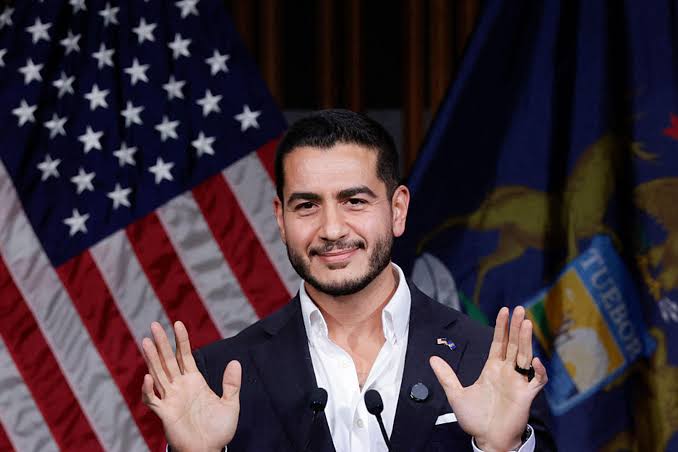
In Michigan, Democrat Abdul El-Sayed won his Senate race and will become the first Muslim to serve in the US Senate.
In the House, Democrats won districts from Pennsylvania to Arizona, including one in Indiana that Trump carried by 17 points in 2024. Senate races in Alaska and Mississippi were still undecided.
Exit polls conducted by SSRS for a group of US media organisations offer a clue to what drove the result. Half of voters said they wanted to rebuke the president, three quarters said they were angry or dissatisfied with the direction of the country, and 70 per cent wanted Congress to check him more.
Voters cited living costs, tariffs and the war with Iran among their concerns. The conflict began in February and has pushed up fuel prices. Trump has acknowledged that Iran played a part in the losses. He said voters were perhaps not ready to bear the short term cost of higher petrol prices.
They can block legislation, including new tax cuts, and use Senate control to slow judicial and senior government appointments. They can also investigate.
Incoming committee chairs can start putting people and organisations on notice this month, but the power to issue subpoenas begins only when the new Congress is seated in January. Topics that lawyers in Washington have told clients to expect include the Iran war, immigration enforcement, Trump’s construction projects and allegations of improper enrichment by Trump and his family.
Robert Garcia, expected to chair the House Oversight Committee, told Republicans on social media to “lawyer up”. Hakeem Jeffries, the House Democratic leader, is in line to become speaker.
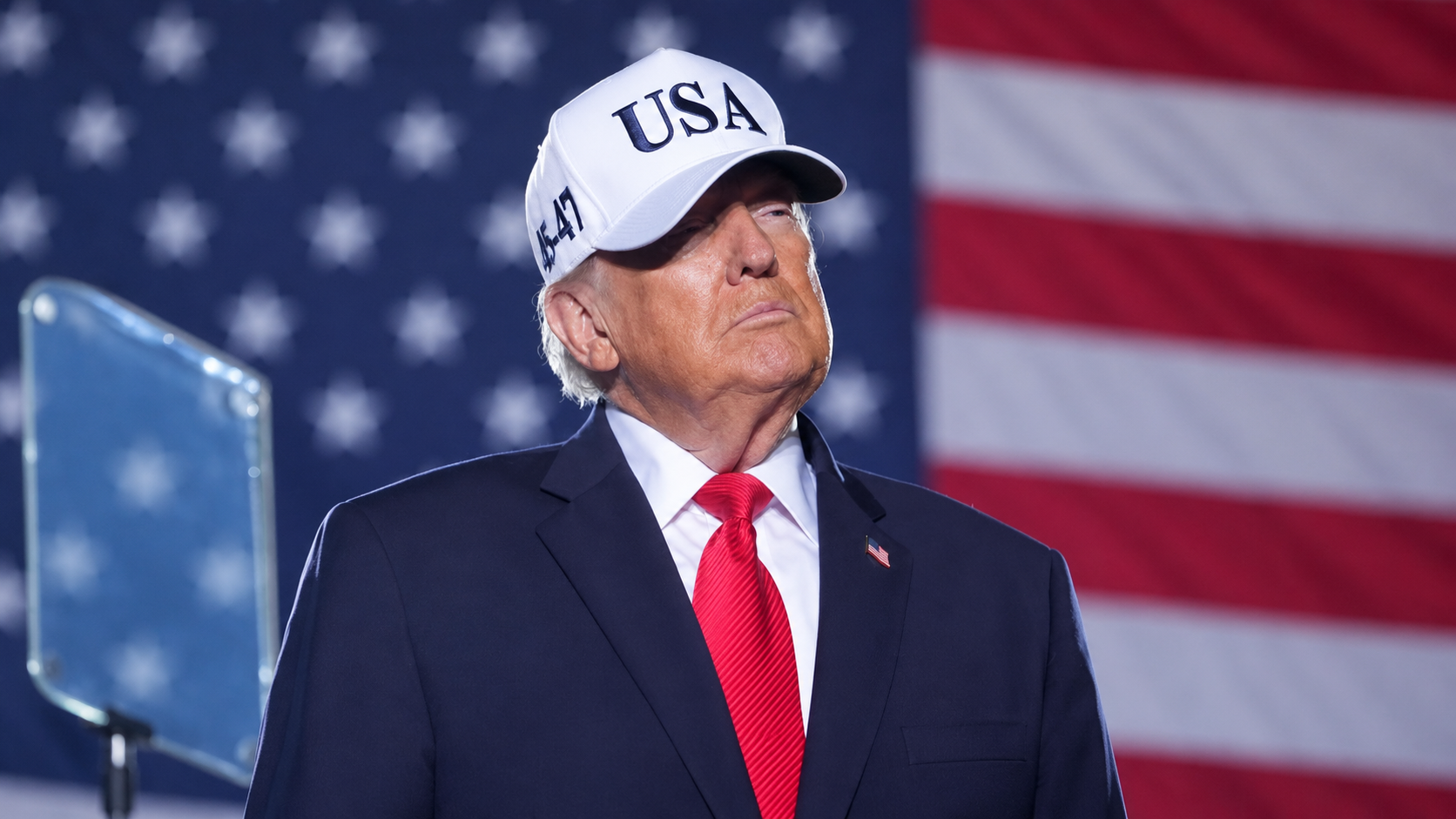
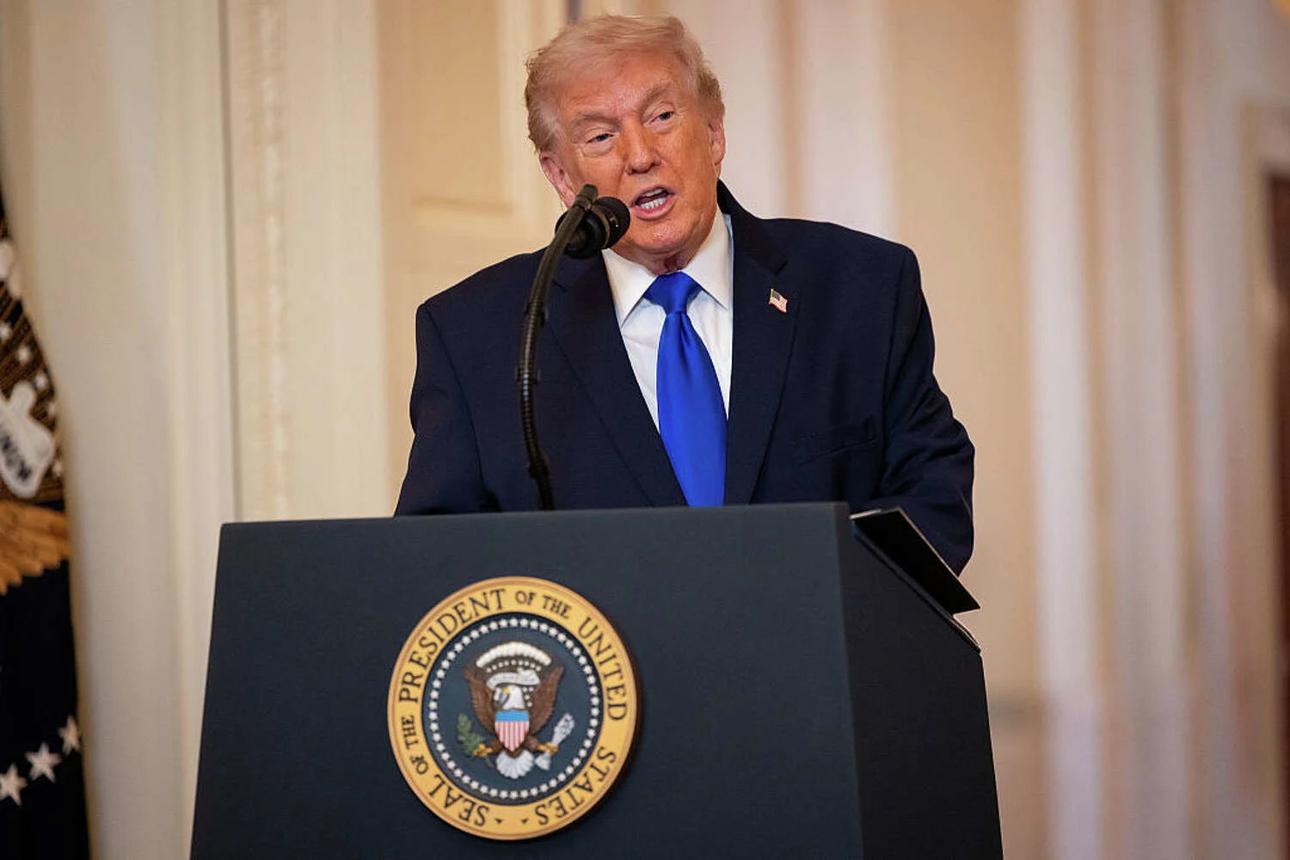
Trump told the New York Times he accepts the results and is ready to work with Democrats. On social media he said he was not on the ballot, a line that casts the losses as the work of the candidates, not of him. He then posted a picture of a red cap marked “VETO”, and told Politico he does not want to spend two years vetoing everything.
Foreign policy and executive orders remain in his hands, and a Supreme Court ruling earlier this year widened his control over federal agencies.
Mohammad Bagher Ghalibaf, Iran’s parliamentary speaker and a negotiator in the talks with Washington, said on X that Americans had voted against war. Asked on Fox News about reports of further US strikes, Trump said “we have to do something large”.