

Kabul: For five years following the 2021 takeover, the soundscape of Kabul has undergone a dramatic transformation. Restaurants, cafes, and markets once filled with traditional Afghan melodies, ghazals, and regional pop have been rendered mute, permitted only to broadcast unaccompanied vocal chants or approved patriotic songs.
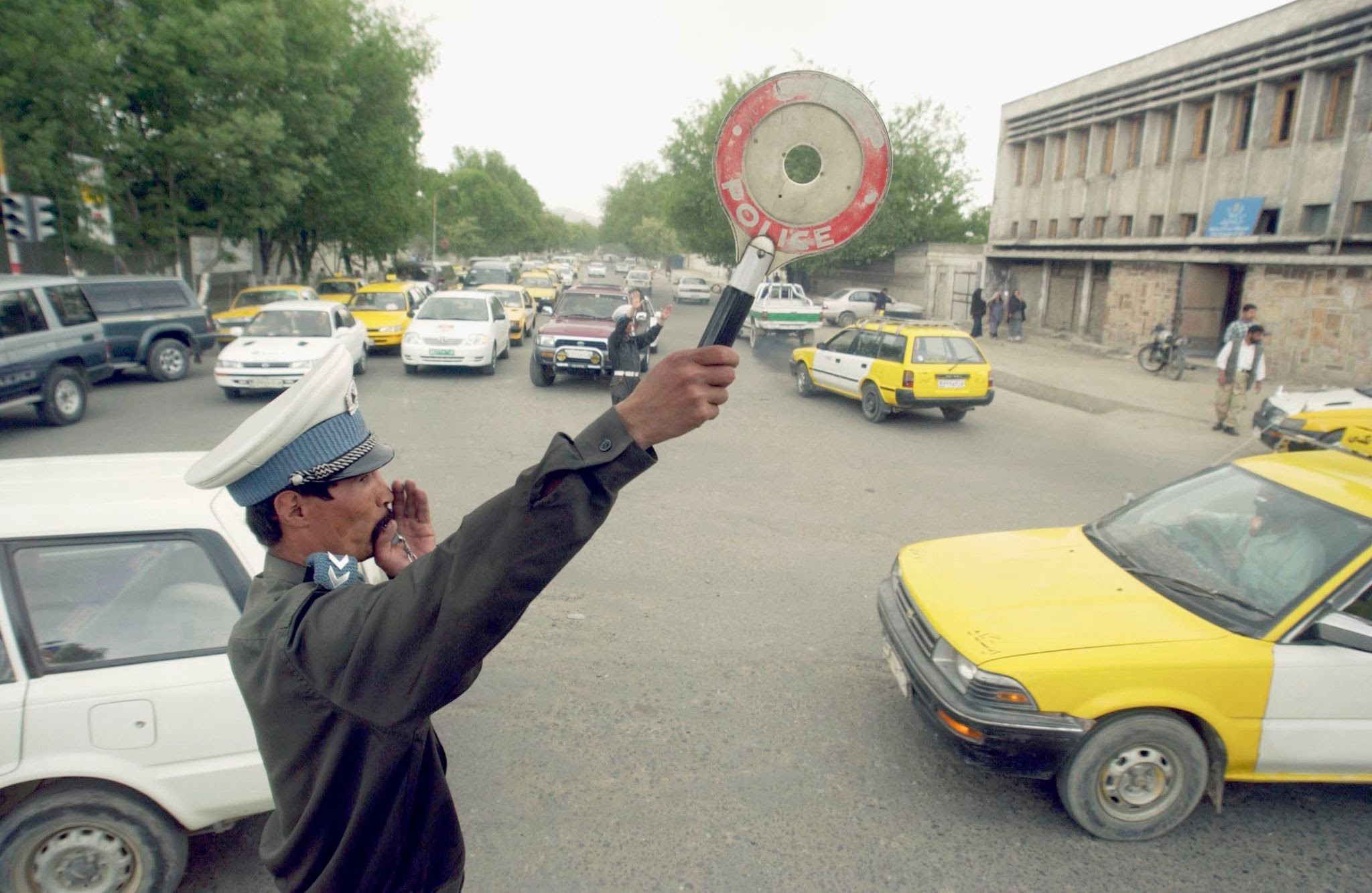
Yet, inside the sky blue and white shared taxis navigating Kabul’s chaotic thoroughfares, a quiet rebellion is under way. Drivers are choosing to play forbidden tunes, keeping their fingers hovering near the volume dial as they approach security checkpoints.
At every checkpoint we pass, we lower the volume of the music or even turn it off completely... so I don't get into trouble with them. We're definitely too afraid of them to be able to listen to music at a higher volume... but by eight o'clock, my music is on." — Roeen (28), Kabul Taxi Driver (via Dawn)
Cultural advocates and local residents maintain that music and artistic expression form the foundational soul of any society. As reported by Dawn, under current PVPV mandates, drivers are instructed that "music is forbidden and causes annoyance." Patrol officers actively check vehicles, destroy instruments in public burnings, and snatch headphones out of commuters' ears to inspect audio content.
This suppression of artistic heritage forms part of a broader, systemic effort to strip vitality from public life. Alongside the erasure of cinema and public entertainment, state policies have progressively barred women from working, studying, or stepping outside their homes without strict guardians, creating an increasingly sterile social environment.
For many drivers and young commuters, keeping the music playing even at a whisper is the last remaining safeguard against total cultural loss. "Afghan culture should not vanish, and music is one of the cultures of our people. Personally, I don't want this culture to disappear." 32 year old Taxi Driver, who has had memory cards smashed at checkpoints (quoted in Dawn)"The city is shrouded in darkness a darkness devoid of any light. Listening to music constantly is a form of protest." Roeen, Kabul Taxi Driver (quoted in Dawn)