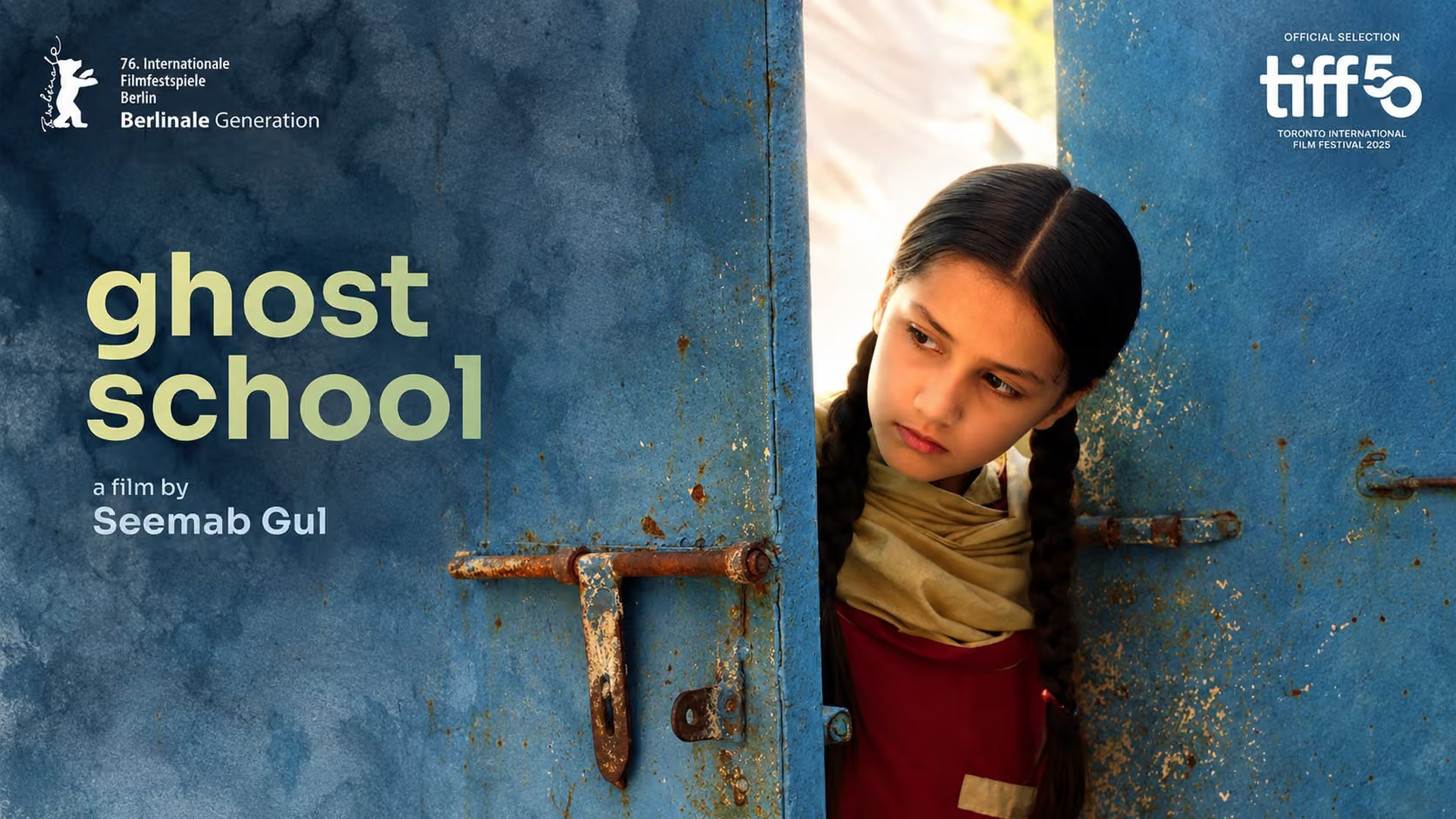
Karachi: The Sindh High Court has overturned most censor board objections and editing orders against Ghost School, directing the board to reconsider the film's certification within 10 days. The court emphasised constitutional freedom of expression, called for the least restrictive appropriate classification, and ruled out unnecessary cuts. The filmmakers agreed to remove one inappropriate remark a child made in a school scene.
The film is about a school in rural Sindh that is shut down. The ghost school highlights issues surrounding girls' education in Pakistan. British Pakistani director Seema Gul directs the film, and the story follows ten year old Rabia, who questions why her school is being closed.
However, the village elders believe the school is haunted and that something else is going on behind the scenes. The school is shut down not because it is haunted, but because the village head does not want the children to be educated, showing how prevalent this issue is in rural Pakistan.
The Sindh High Court initially banned the film, and the filmmakers challenged the verdict. As a result, the film was allowed to be screened. However, the official release date has not been announced.
In Pakistan, this is not the first time a film has been stopped from release; the Pakistani cinema industry has seen such bans before. The films include, but are not limited to, Zindagi Tamasha, Maalik and more. On a broader level, the film also makes you question whether there is actually freedom of expression in the country.
The film has also reached international audiences, with screenings at the Toronto International Film Festival and the Berlin International Film Festival (Berlinale), highlighting its potential.
Despite its selection for international film festivals, Ghost School continues to face uncertainty over its release in Pakistan. The delay raises questions about why a film addressing barriers to education has struggled to reach audiences in the country where its story is set.
Films like these matter because they reflect society's issues and make people question how such issues persist when no one really talks about them.