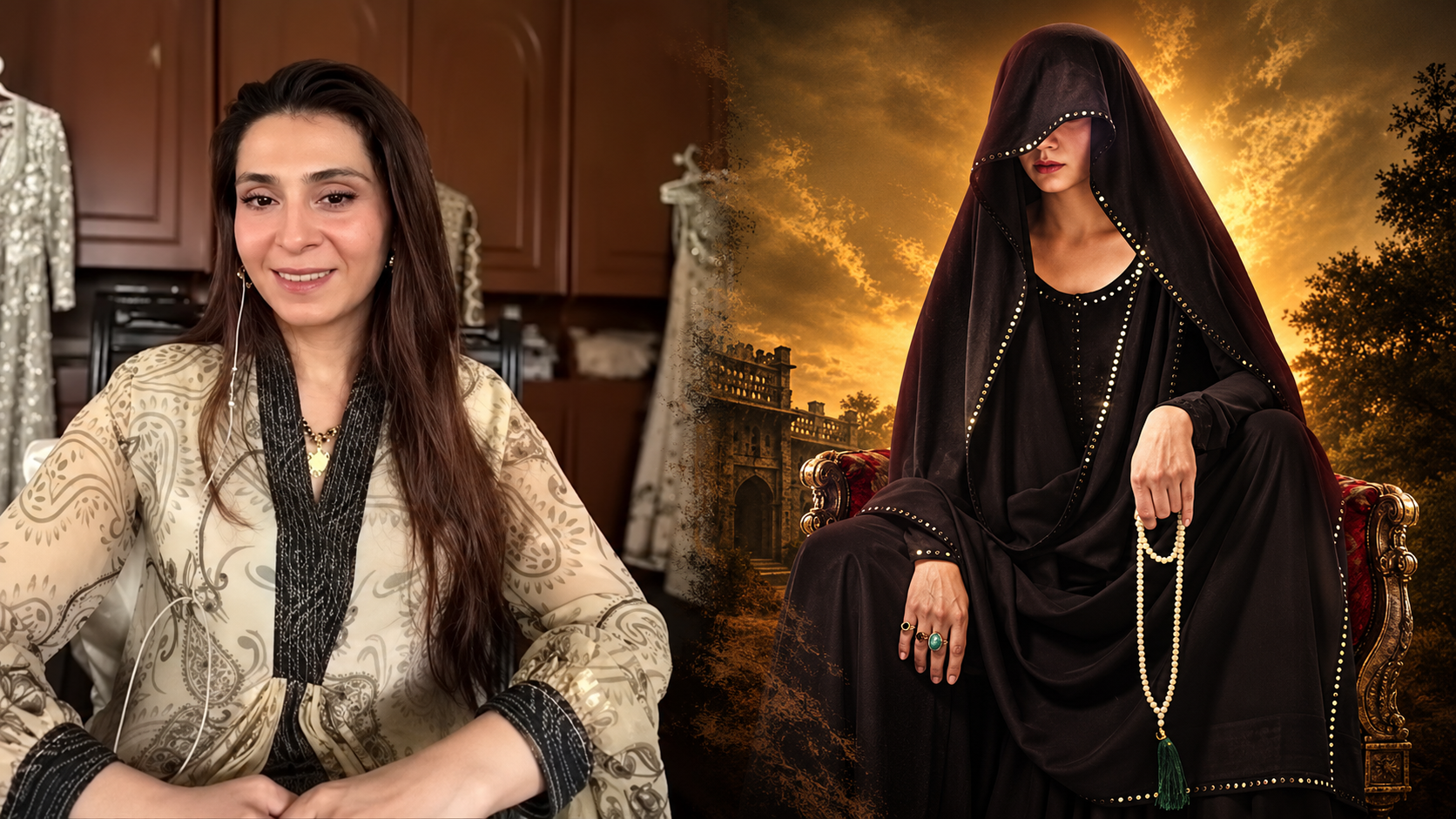
Islamabad: Mitti De Baway has become a phenomenon, with audiences discussing everything from its performances to its visuals and costumes. Stylist Feeha Jamshed is behind Mahira Khan’s distinctive looks, and her longstanding collaboration with the actress has shaped some of her most memorable on screen appearances.
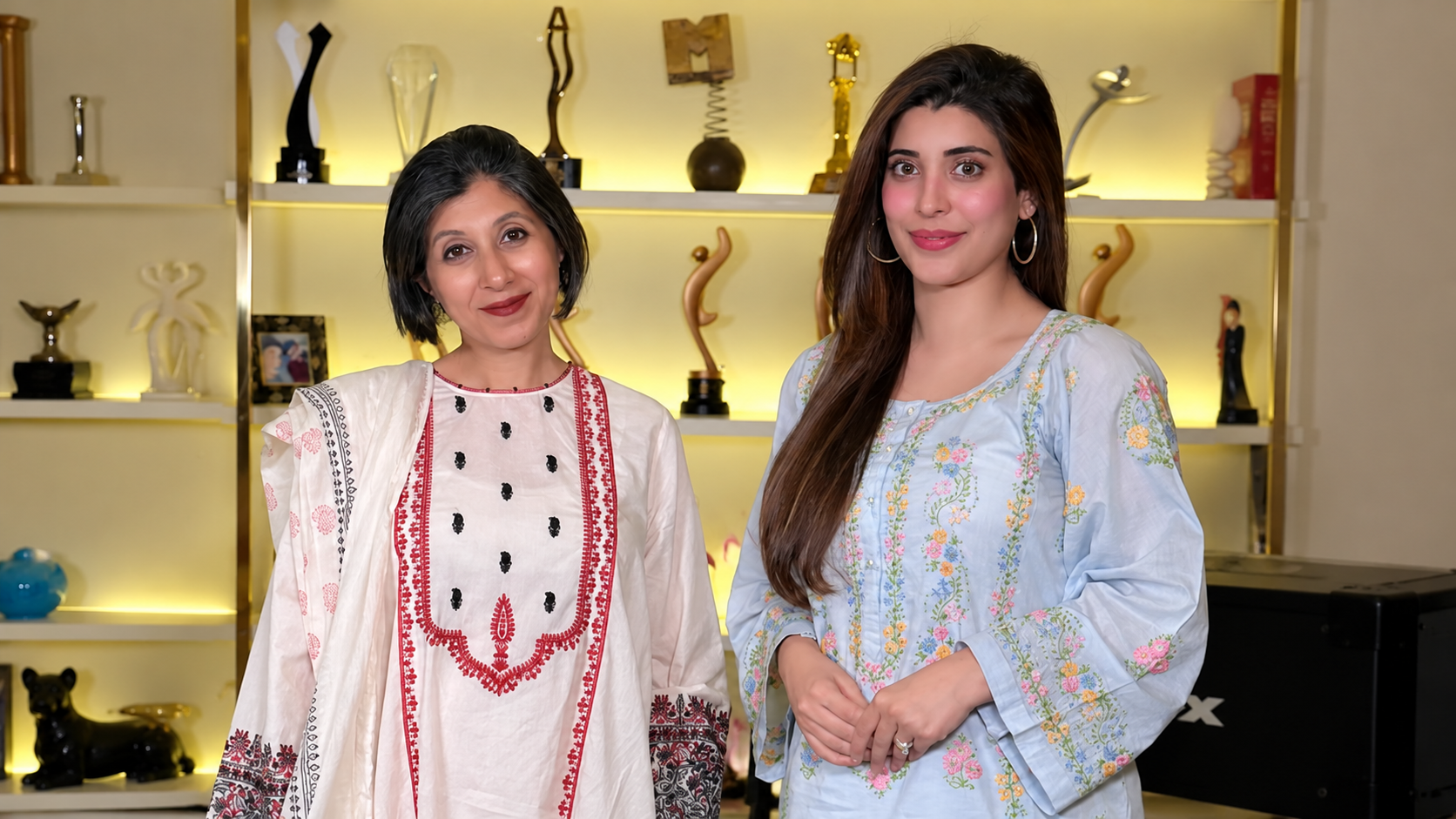
In an exclusive interview with QOM, Feeha reflected on her experience of working on the drama and the creative decisions behind its characters.
“I did Humsafar fifteen years ago, and then Sadqay Tumhare and some pieces for Shehr e Zaat as well,” she recalled, adding that while working on such projects, one can never predict how big they will become.
She remembered something her elders would often tell her: “Niyat saaf rakho, manzil asaan.”
For Feeha, her longstanding relationship with Mahira Khan has been central to their collaborations. She said they trust each other, and while she doesn't interfere with Mahira’s wardrobe decisions, she focuses on styling. Mahira brought her on board early in the production of Mitti De Baway.

Feeha also credited director Syed Wajahat Hussain for the drama’s visual appeal. Having worked with prominent names including Sarmad Khoosat and Momina Duraid, she described Wajahat as a hands on director who was particular about every frame.
According to Feeha, many scenes in Mitti De Baway resemble paintings because of the attention to detail. From the colour of the walls to the actors’ wardrobes, Wajahat had a clear vision of how each scene should appear on screen.
She explained that before accepting a project, she asks for the script so she can understand the characters and develop their looks accordingly.
For Mitti De Baway, she particularly appreciated receiving the script in Urdu rather than Roman Urdu. She believes the language's beauty is better preserved when written in its original script.
The four elements behind Billo’s transformation
One of the most interesting aspects of Feeha’s work on the drama was Billo's changing appearance, also known as Bilqis.
She revealed that the character’s journey was divided into three phases, with the styling drawing inspiration from the four elements of nature.
During the drama's early development, Mahira also discussed portraying the younger Billo.
For Bilqis’s second phase, Feeha worked with the elements of water and air. She used light fabrics, particularly organza dupattas, to create an airy appearance that reflected the character’s attempt to escape her past.
In the third phase, the styling shifted towards earth and fire, representing darker emotions and revenge.
Feeha also drew inspiration from 1980s fashion trends, including references to singer Nazia Hassan.
From Mahira’s nath, or traditional nose ring, to her overall wardrobe, the styling reflected the character’s changing circumstances.
Feeha said she believes in submitting to the character rather than imposing a personal aesthetic, letting the character’s appearance develop naturally with the story.
She also explained that she chose not to dress the character in an abaya, saying the garment originated in Arab culture and was later adopted in the subcontinent.
Bringing traditional craftsmanship to the screen
Feeha also discussed her collaboration with Oni Handmade and its creative force, Jeena, who works with women artisans in rural Punjab.
She highlighted their intricate handwork, particularly cross stitch, kamdani and shadow work, and the softness of the fabrics used in their creations.
These traditional techniques contributed to the costumes and helped bring local craftsmanship into the drama’s visual identity.
Feeha also spoke about the importance of the team Mahira brings to her projects. Whether working on a film or a television drama, she said Mahira has a dedicated team around her, which contributes to the consistency and quality of her screen appearance.

On sustainable fashion and personal style
Beyond Mitti De Baway, Feeha discussed the changing fashion industry and inflation's impact on clothing.
She observed that fabric quality has declined while well made clothes have become increasingly expensive. She advised consumers to prioritise quality over quantity.
She also praised Pakistani brands including Sapphire, Khaadi and Coco, saying she appreciates their work.
Speaking about Mahira’s personal fashion.
Speaking about Mahira’s personal fashion choices, Feeha felt that her style had remained largely consistent over the past year rather than undergoing any major transformation.
For Feeha, whether she is working with a director for the first time or returning to a familiar collaborator, the process begins with understanding the script and the character. This approach shaped Billo’s changing appearance in Mitti De Baway, from the lightness of her earlier looks to the darker styling of her later journey.