Islamabad: The Pakistan Institute of Development Economics (PIDE) called for structural reforms in Pakistan’s automobile sector through the forthcoming Automobile Policy 2026-2031, with stakeholders emphasizing tariff rationalisation, vendor development, technology transfer and performance-based incentives.
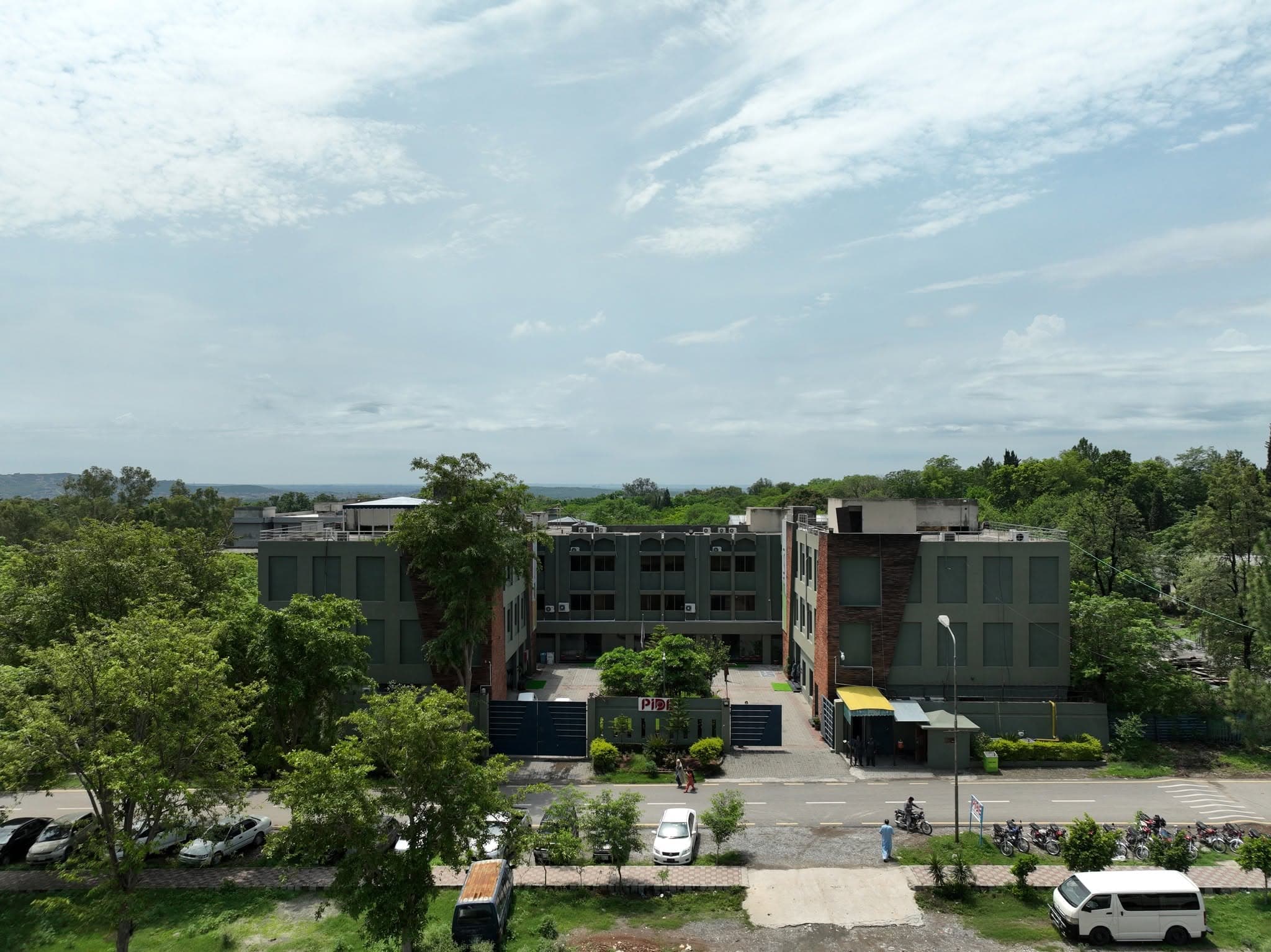
PIDE made the call at a Stakeholders’ Consultative Roundtable it hosted on Sunday, bringing together policymakers, industry representatives and academicians to examine the evidence base for the forthcoming policy and contribute to a framework addressing the challenges facing the automobile industry.
The discussion drew on the joint Policy Viewpoint, “Shifting Gears: Shaping Pakistan’s Next Automobile Policy,” prepared by PIDE’s Center for Industry, Commerce and Digital Economy (CICDE) and Center for Governance, Markets and Regulatory Analysis (CGMRA).
The roundtable aimed to examine PIDE’s research-based evidence on the automobile sector, provide a structured forum for government, industry and academia to present their positions, and develop a shared understanding of structural issues relating to market design, tariff rationalization, vendor development and policy conditionality.
Dr Usman Qadir, Senior Research Economist and Director, CICDE, PIDE, presented key findings from PIDE’s research on the automobile sector.
He said that while the industry had established a meaningful foundation over the past two decades, with production capacity exceeding 500,000 units and more than 15 assemblers active in the market, production volumes, consumer affordability and vendor-sector development had not kept pace with the expansion.
He said the forthcoming policy provided an opportunity to move towards a retail sales model, strengthen vendor capabilities through clear technology-transfer requirements and link policy incentives with measurable performance outcomes.
Industry representatives called for favourable and predictable tariff structures, greater policy consistency across successive governments and trade agreements that actively facilitated exports.
Aamir Allawala, CEO, Tecno Auto Glass Limited and former President, PAAPAM, identified high taxation, security-related constraints and the anti-export bias embedded in the existing policy framework as major impediments to the growth of the automobile industry.
Dr Robina Ather, former chairperson of the National Tariff Commission, said the National Tariff Policy 2025-2030 was designed to rationalize import tariffs across the economy and its application to the automobile sector would need to be carefully sequenced to manage the adjustment process effectively.
She said tariff was an important component of the forthcoming automobile policy but was not the only issue requiring attention. The policy, she added, should address all structural constraints hindering the growth of Pakistan’s automobile sector.