
For Pakistan, the Iran question has become more complicated than a matter of relations with a neighbouring state. Since the May 2025 confrontation with India, Islamabad has gained greater diplomatic relevance, but its engagement with Iran has placed that relevance under a different kind of test.
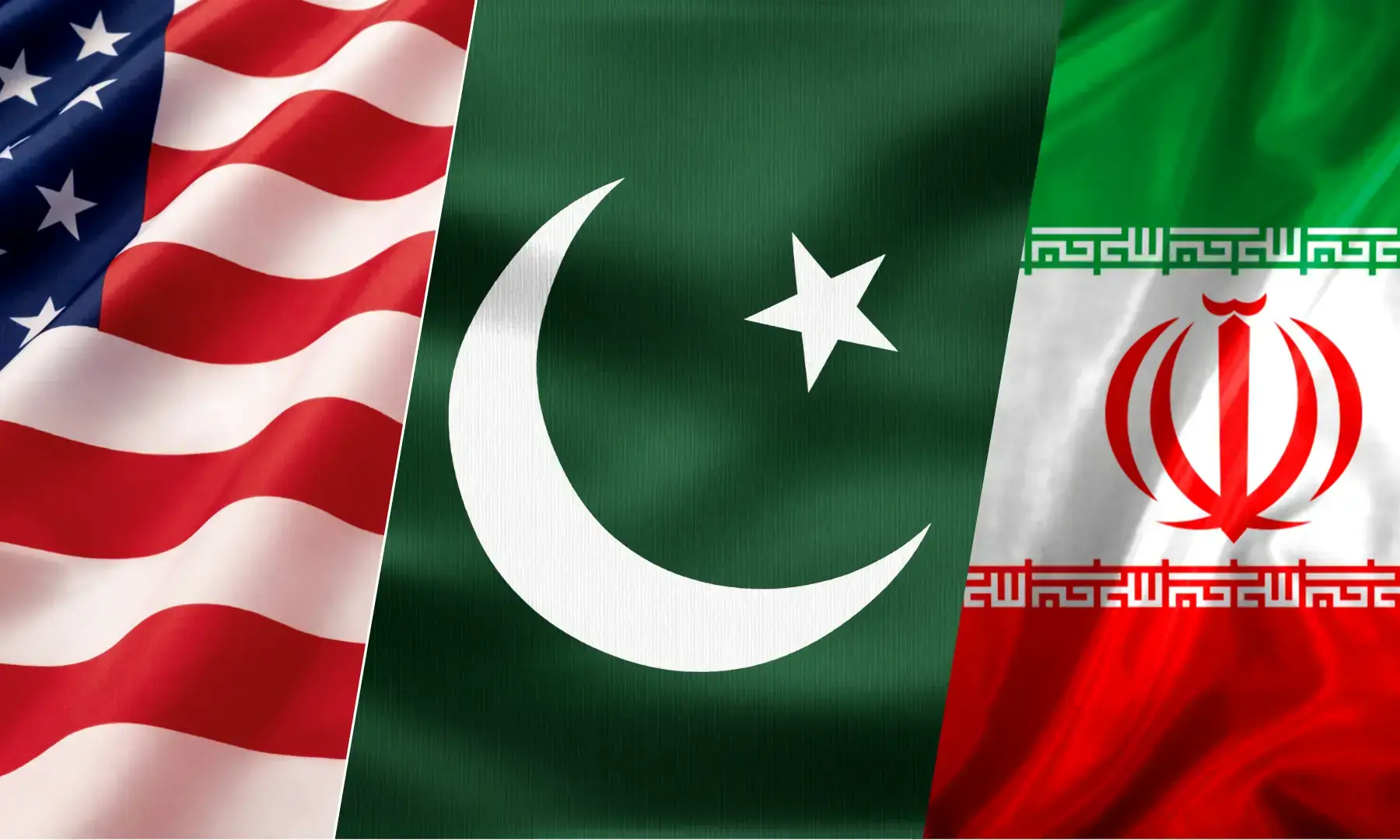
Pakistan is now dealing simultaneously with Tehran, Washington and Persian Gulf states, while trying to protect its own border, economic interests and room for diplomatic manoeuvre. The question is not whether Pakistan can maintain ties with Iran. It is whether it can do so without being forced into a strategic choice between competing partners.
Pakistan’s role in the crisis between the US and Iran has given this dilemma greater visibility. Islamabad facilitated direct US, Iran engagement in April 2026 and subsequently remained involved in the diplomatic process alongside Qatar.
The June Islamabad Memorandum of Understanding (MoU) created a framework for further engagement, followed by technical level talks in Switzerland. Pakistan has continued to describe its role as both facilitative and mediatory, while acknowledging that the process has become more difficult as military escalation has resumed.
This is a significant development for Pakistan, but its importance should not be overstated. Islamabad does not possess the leverage of a major power over either Washington or Tehran, and mediation can only succeed where the parties themselves retain an interest in negotiation.
Pakistan’s value lies elsewhere: geography, longstanding ties with Iran, working relations with the US and growing links with the Gulf give it access to several sides of a conflict that few states can approach from the same position. That makes Pakistan useful as an interlocutor, but it also makes neutrality harder to maintain.
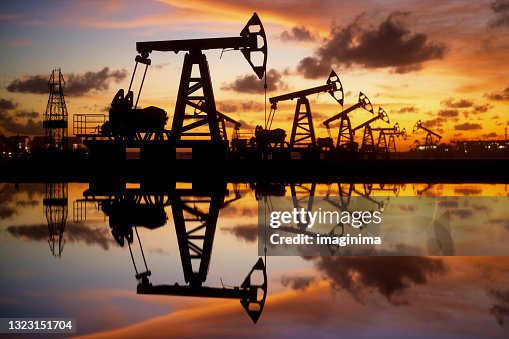
The prevalent situation illustrates the problem; where the US has intensified sanctions and economic pressure on Iran, while the confrontation around the Strait of Hormuz continues to affect energy markets and regional trade. Pakistan cannot remain insulated from these developments. A prolonged disruption would affect fuel prices, shipping costs and inflation at home, while instability immediately across its western border would create additional security pressures.
At the same time, Pakistan has practical reasons to preserve and deepen its relationship with Tehran. The two countries have moved during 2026 to formalise border trade, improve customs and transport infrastructure and expand commercial links.
In August, Pakistan and Iran agreed to work towards 10 billion USD in annual bilateral trade and to keep border crossings open around the clock. These measures suggest that Islamabad increasingly sees the western border not only as a security frontier but as a potential economic corridor.
That creates an important distinction in Pakistan’s foreign policy. Strategic relevance is not the same as strategic freedom. Pakistan may now have more diplomatic access than it did before the May 2025 crisis, but every additional relationship also creates another set of constraints.
Its defence partnership with Saudi Arabia, relationship with the US, strategic ties with China and geographic proximity to Iran do not always point in the same direction. The challenge is therefore to avoid converting diplomatic flexibility into competing commitments.
Iran also presents Pakistan with a security relationship that cannot be reduced to geopolitics. The two countries share a border across Balochistan, and instability in Iran can have immediate consequences for Pakistan’s western districts, border management and cross border movement. At the same time, Pakistan has its own security concerns along the border and cannot afford a prolonged regional conflict that adds another pressure point while tensions with Afghanistan remain unresolved.
This makes Islamabad’s current approach of maintaining communication with all sides understandable. Pakistan has continued high level contact with Tehran even while engaging Washington and Gulf partners, and its officials have repeatedly called for dialogue rather than taking a position that would close off its diplomatic options. During renewed hostilities in July, Pakistan’s foreign ministry stressed that the Islamabad framework remained relevant even though the mediation process had become more difficult.
The harder question is what Pakistan does with the diplomatic space it has acquired. Mediation can increase a country’s international relevance, but it can also expose the limits of its influence. If Washington and Tehran return to negotiations, Pakistan could consolidate its position as a useful regional interlocutor. If the confrontation continues, however, Islamabad will increasingly have to balance the expectations of partners on both sides while protecting its own economic and security interests.
This is where the legacy of May 2025 becomes relevant. The operation demonstrated Pakistan’s ability to impose costs and manage escalation in its immediate security environment. The crisis between Iran and the US has tested a different capability: whether Pakistan can use its strategic position without becoming trapped by it.
Its success will not be measured by whether Islamabad persuades Tehran or Washington to accept a particular settlement. It will be measured by whether Pakistan can remain sufficiently credible to both sides while ensuring that the costs of the wider conflict do not overwhelm its own interests.
Pakistan therefore stands in a more consequential position than it did before May 2025, but not necessarily a more comfortable one. Its diplomatic relationships have widened, its mediation role has become more visible, and its western economic corridor has acquired new relevance. Yet these gains come with greater exposure to conflicts beyond Pakistan’s direct control. The task now is less about choosing sides than preserving the ability to engage with all of them. In the current regional environment, that may be Pakistan’s most valuable form of strategic autonomy.