

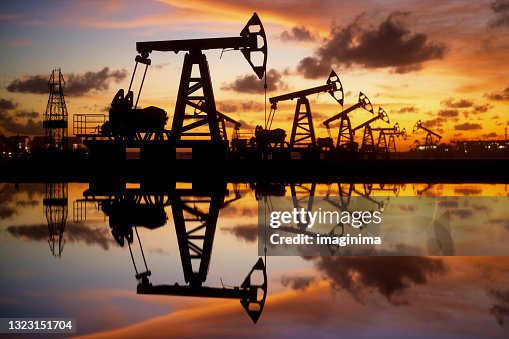
Web Desk: Global energy markets experienced renewed volatility on Monday as international crude benchmarks rallied sharply in response to escalating hostilities in the Middle East. Brent crude surged to USD 90.31 a barrel, while US West Texas Intermediate (WTI) rose to USD 85.41. Middle Eastern export grades saw even steeper gains, with Dubai's flagship Murban crude jumping more than four per cent to ninety five dollars and seventy-five cents a barrel as traders priced in heightened security risks across Persian Gulf shipping routes.
The market rally was triggered by the first direct US strikes on Iranian targets in a month, targeting two missile launchers on Larak Island near the Strait of Hormuz that US forces claimed were preparing to deploy antiship naval mines. Tehran responded by launching missile strikes against US military facilities stationed in Jordan. President Donald Trump announced that Washington would retaliate against the strikes, raising concerns of a wider military confrontation just as the conflict reached the six month mark.
The geopolitical escalation has severely disrupted commercial shipping through the Strait of Hormuz a vital transit corridor responsible for carrying approximately 20 percent of global oil and gas supplies. Although the waterway has not been formally blockaded, tanker owners, insurers, and maritime operators have drastically reduced vessel transits due to surging security risks and prohibitive war risk insurance premiums.
The sudden surge in energy prices has added fresh pressure to global financial markets. In the United States, equity markets fell sharply, with the Dow Jones Industrial Average dropping 0.7 percent as persistent energy driven inflation raised investor expectations of imminent interest rate hikes by the Federal Reserve. President Trump is scheduled to convene an emergency meeting with domestic oil refining executives on Tuesday to address soaring petrol prices ahead of upcoming midterm elections.