

Islamabad: Jamaat e Islami (JI) has agreed to participate in a multiparty conference proposed by the opposition alliance Tehreek e Tahafuz e Ayn e Pakistan (TTAP), as the alliance continues consultations with political parties ahead of the planned meeting.
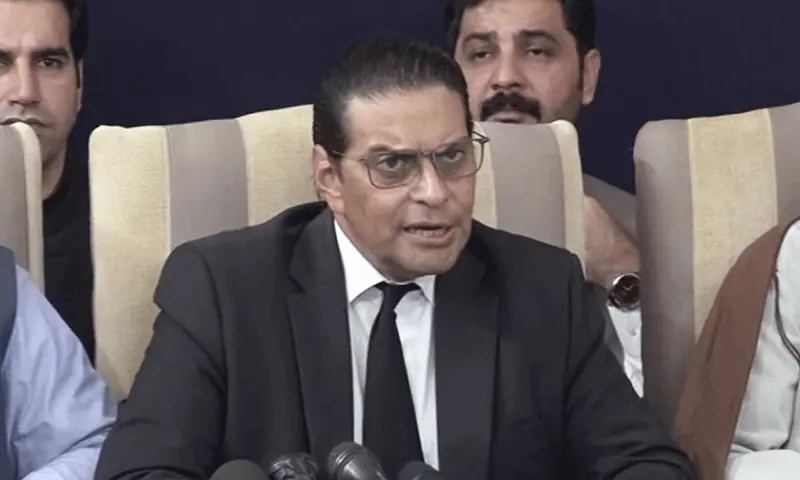
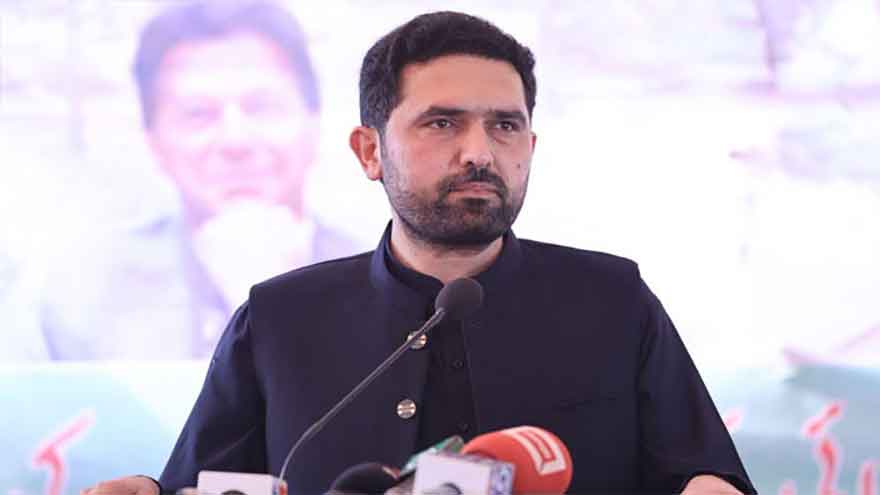
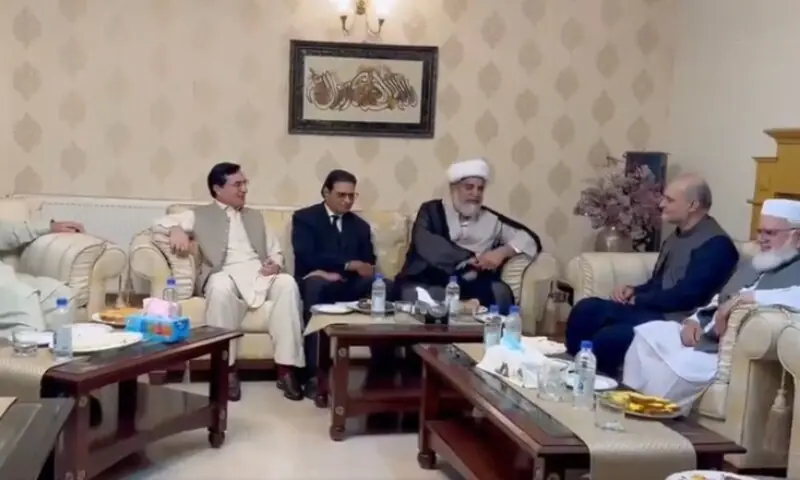
A TTAP delegation, which included Senate Opposition Leader Allama Raja Nasir Abbas and PTI leaders, met JI chief Hafiz Naeemur Rehman on Friday and invited his party to participate in the conference.
The two sides discussed the political situation, the democratic process, constitutional matters and other national issues. According to TTAP, participants called for continued communication among political parties to address the country’s political and economic challenges.
Speaking after the meeting, Rehman accepted the invitation and said political parties needed to develop a national agenda covering law and order, the economy and public rights.
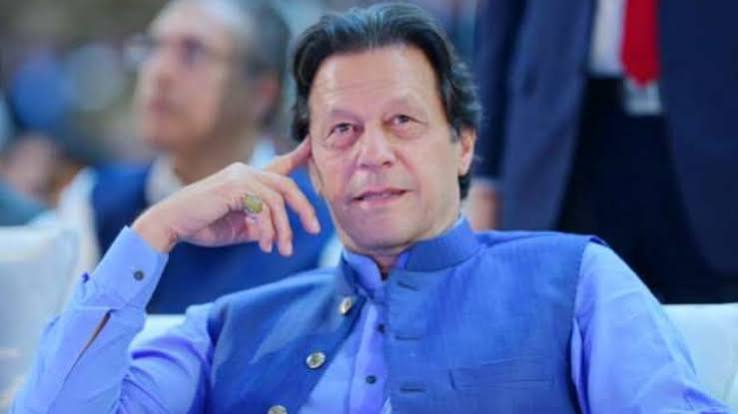
Rehman also opposed proposals for governor’s rule or an emergency in Khyber Pakhtunkhwa, saying JI would not support measures that suspended or disregarded the Constitution. The issue has emerged amid tensions between the federal government and the PTI led provincial government ahead of PTI’s planned October 4 march on Islamabad.
Abbas said political parties should consult each other over the security, political and economic situation and work towards an agreed approach to the issues facing the country.
The TTAP delegation separately met former prime minister and Awam Pakistan Party chairman Shahid Khaqan Abbasi and invited him to attend the proposed conference.
The opposition alliance has been contacting political parties since announcing plans for the conference in September. Jamiat Ulema i Islam Fazl has agreed to participate, while the PPP has received an invitation and said it would refer the matter to its chairman Bilawal Bhutto Zardari for a decision.
TTAP has said the conference will be held after PTI’s October 4 protest, although its date and venue have yet to be finalised. The alliance has also formed a committee to consult political parties over the conference agenda.