Doha: Iranian negotiators met Qatari mediators on Saturday to discuss proposals aimed at preventing renewed fighting between Iran and the United States, as Washington weighs further military action following this week's US midterm elections.
Reuters reported, citing a source briefed on the negotiations, that the meeting followed more than 12 hours of discussions between Iranian and Qatari representatives in Tehran on Friday. Qatar has maintained regular contact with Washington throughout the diplomatic process.
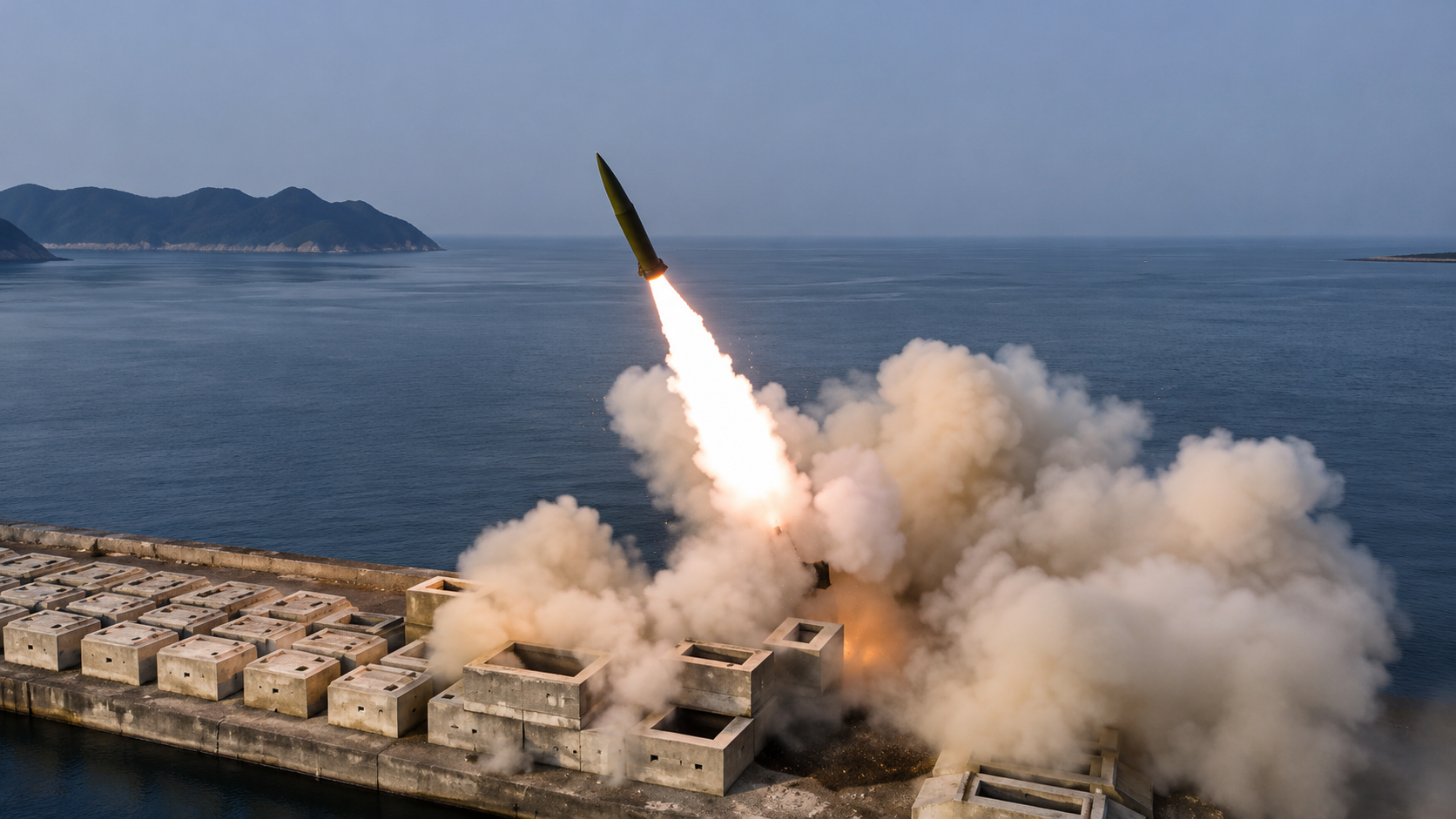
The talks come amid concerns across the Gulf that US President Donald Trump could authorise further strikes against Iran after the congressional elections. Tehran has warned that any renewed attacks would prompt retaliation against US and Israeli targets in neighbouring countries.
US Secretary of State Marco Rubio said on Saturday that Trump had not decided whether to resume military operations and preferred a diplomatic settlement. Speaking at a G20 foreign ministers' meeting in Atlanta, Rubio confirmed that direct and indirect communication with Iran was continuing but declined to provide a timetable for an agreement.
"There are multiple talks. Talks have actually never stopped," he said.
According to the source cited by Reuters, Qatar presented Tehran with a seven day proposal last week under which Iran and the United States would undertake daily confidence building measures before entering broader negotiations.
However, a senior Iranian official told Reuters on Friday that Tehran considered the proposal unsatisfactory.
Iran has separately proposed its own seven-day framework, which calls for Washington to lift restrictions on Iranian ports, release frozen assets and approve an Iranian-backed arrangement for passage through the Strait of Hormuz. Tehran would subsequently reopen the waterway.
The Trump administration has so far rejected those conditions.
The Strait of Hormuz remains central to the dispute because it connects the Gulf to international shipping routes and carries a substantial share of global oil and liquefied natural gas trade. Restrictions on maritime traffic have implications for regional energy exports and international supply chains.
Iranian Foreign Minister Abbas Araqchi said on Saturday, in remarks reported by Al Jazeera, that Tehran was reviewing a letter sent by US Vice President JD Vance to Iranian security chief Mohsen Rezaei. The correspondence, previously reported by the New York Times and Wall Street Journal, was described as an attempt to assess the prospects for renewed negotiations.
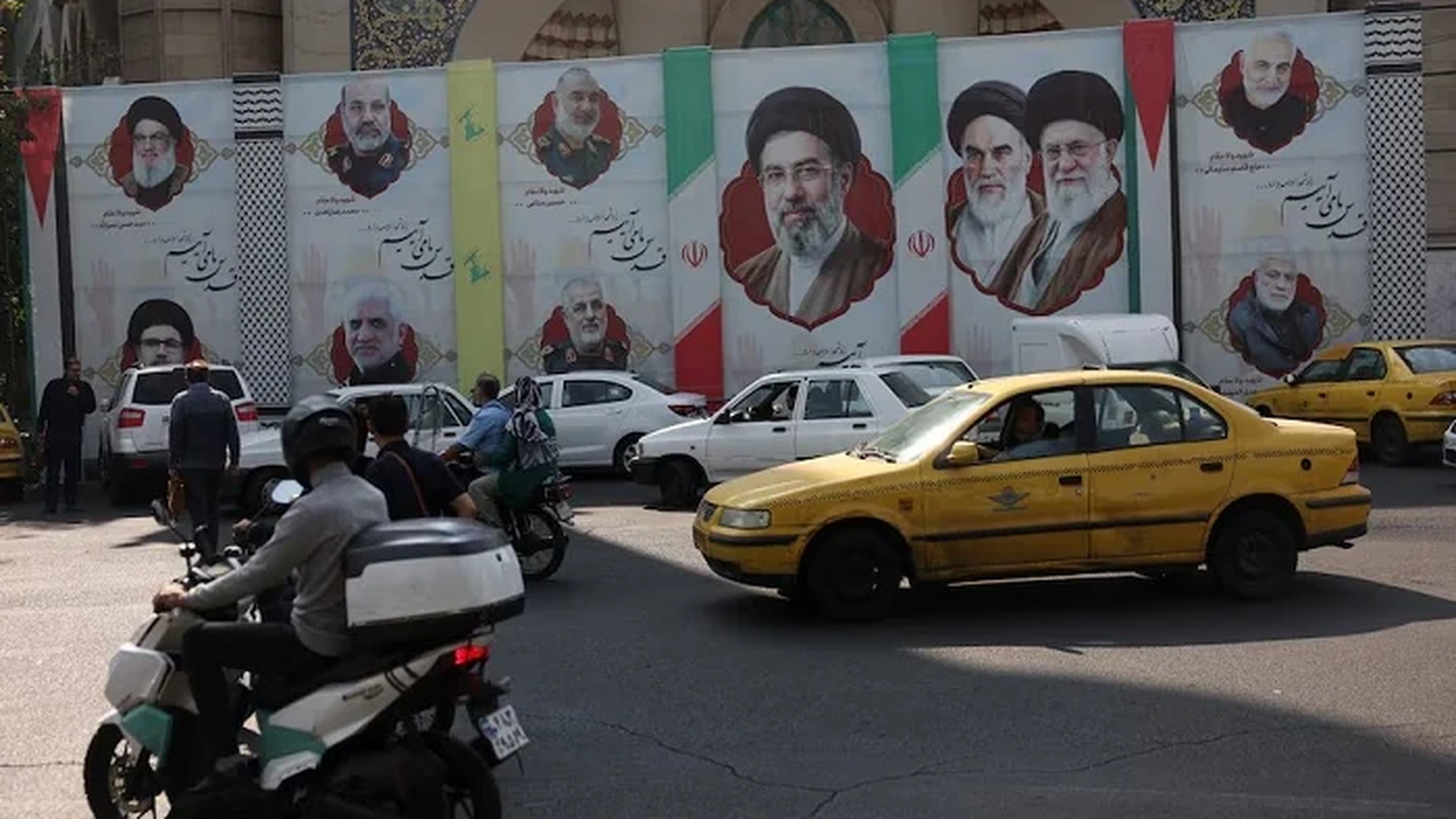
Trump subsequently played down its diplomatic significance, saying he had authorised discussions concerning the delivery of medical supplies to Iran. Meanwhile, Iran's Supreme Leader Ayatollah Mojtaba Khamenei instructed the armed forces on Saturday to maintain readiness for further attacks.
In a statement published on his official Telegram account, Khamenei called for an immediate response to any threat and said military commanders had reported readiness around the Strait of Hormuz, the Gulf of Oman and Iran's border regions. Iranian military authorities subsequently announced measures to strengthen operational preparedness.
Rezaei also said Iran was considering whether to reconsider its longstanding prohibition on nuclear weapons if hostilities resumed, although no decision had been made. He maintained that negotiations over Iran's nuclear programme could not proceed unless Washington accepted Tehran's demands.
The latest diplomatic engagement follows the outbreak of war in February, when the United States and Israel launched military operations against Iran. Although further US strikes have been delayed in recent weeks, the possibility of renewed hostilities has remained a concern for regional governments.
Qatar's mediation offers a channel for communication between Washington and Tehran, but the two sides remain divided over the sequence of concessions, maritime access and nuclear restrictions.
No agreement or timetable for further negotiations was announced following Saturday's discussions.