New Delhi: Indian authorities deployed security personnel and announced traffic restrictions in New Delhi on Sunday ahead of an opposition march demanding the resignation of Chief Election Commissioner Gyanesh Kumar over the removal of millions of names from electoral rolls.
The demonstration, organised by the opposition Indian National Developmental Inclusive Alliance (INDIA), is being led by Congress leader Rahul Gandhi, with participating parties planning a march of approximately 1.5 kilometres through central Delhi to Ramlila Maidan. Opposition organisers expect hundreds of thousands of supporters to attend, although the projected turnout had not been independently verified.
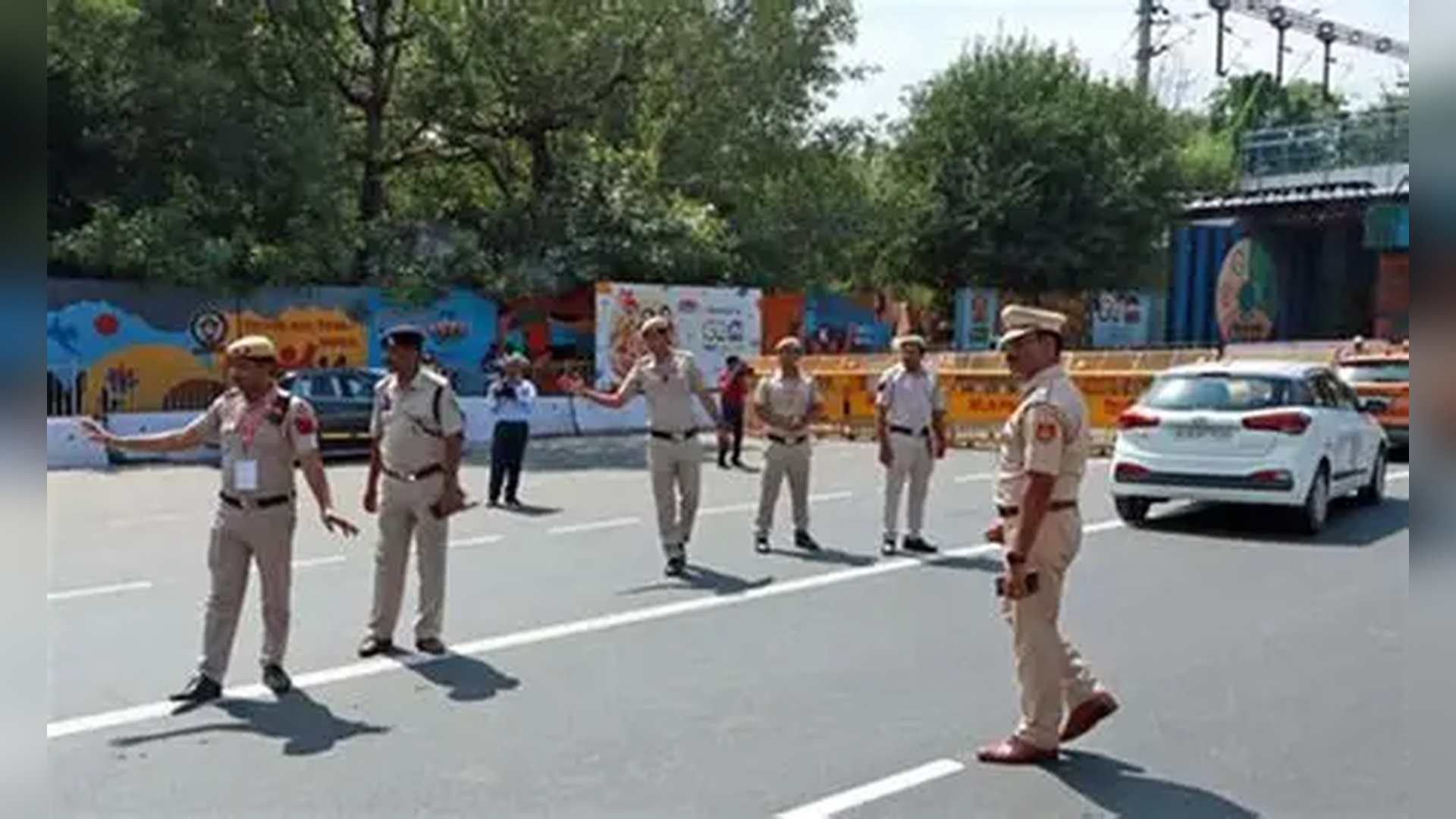
Security personnel carrying batons and shields were stationed around the rally venue, alongside riot control vehicles, as authorities prepared for the gathering. Delhi Traffic Police warned that restrictions and diversions would be introduced where necessary to manage crowds and vehicle movement.
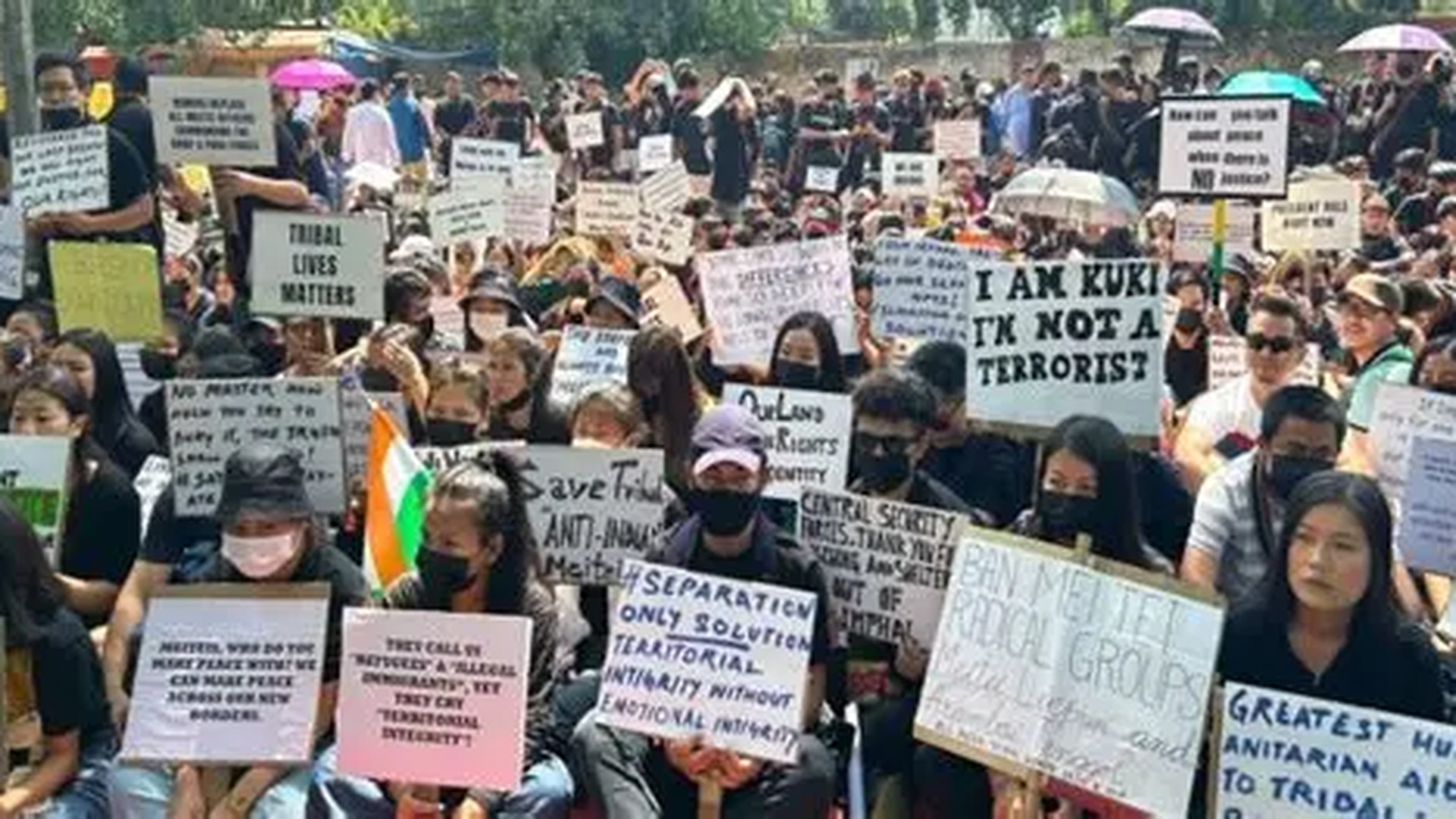
Senior police officer Rohit Rajbir told news agency ANI that arrangements had been made at the venue and along the planned march route. The demonstration follows weeks of protests by opposition parties, student organisations and youth led groups over changes to India's electoral registration system.
Dispute over electoral roll revisions
The opposition alleges that revisions to voter lists have resulted in the removal of eligible voters and disproportionately affected Muslim communities and other minorities. It claims the changes could benefit Prime Minister Narendra Modi's Bharatiya Janata Party (BJP), which has governed India since 2014.
The Election Commission has rejected allegations of political favouritism, maintaining that the revision process is intended to improve the accuracy of electoral records. It has also said voters whose names were incorrectly removed can apply for re enrolment.
The BJP has defended the process and accused opposition parties of undermining confidence in electoral institutions by questioning legitimate registration procedures. According to figures cited in the reporting, more than 130 million names have been removed from voter lists since the revision process began last year.
These included approximately 28 million people recorded as deceased, 63 million who had relocated and 30 million who could not be traced. The figures reflect the categories reported during the revision process and do not, by themselves, establish that eligible voters were deliberately excluded.
The dispute gained attention following a September report by The Indian Express that two deputy election commissioners had raised internal concerns about voter registration procedures, electoral roll revisions and digital systems.
Opposition parties subsequently intensified their demands for Kumar's resignation, arguing that the concerns raised questions about the administration of elections.
Political implications
The protests come amid wider opposition scrutiny of India's electoral institutions and the procedures used to determine voter eligibility.
Electoral roll revisions are intended to remove duplicate or outdated entries and maintain accurate records. However, their implementation can become contentious when eligible citizens face difficulties establishing registration or restoring names removed from voter lists. For opposition parties, the central issue is whether the revision process provides sufficient safeguards against wrongful exclusions.
For the Election Commission, the stated objective is to maintain accurate electoral records while allowing eligible voters to correct registration errors. The disagreement has also brought attention to the role of independent election administration in a country with an electorate numbering hundreds of millions.
The demonstrations have increased political pressure on the Modi government, although its parliamentary position remains unchanged and India's next general election is scheduled for 2029.
The outcome of the dispute will depend in part on how the Election Commission addresses complaints about voter registration, the accessibility of appeals and whether allegations of wrongful exclusions are substantiated.
At the time of reporting, the march was being prepared under police supervision, and no confirmed final attendance figure or outcome of the rally was available.