

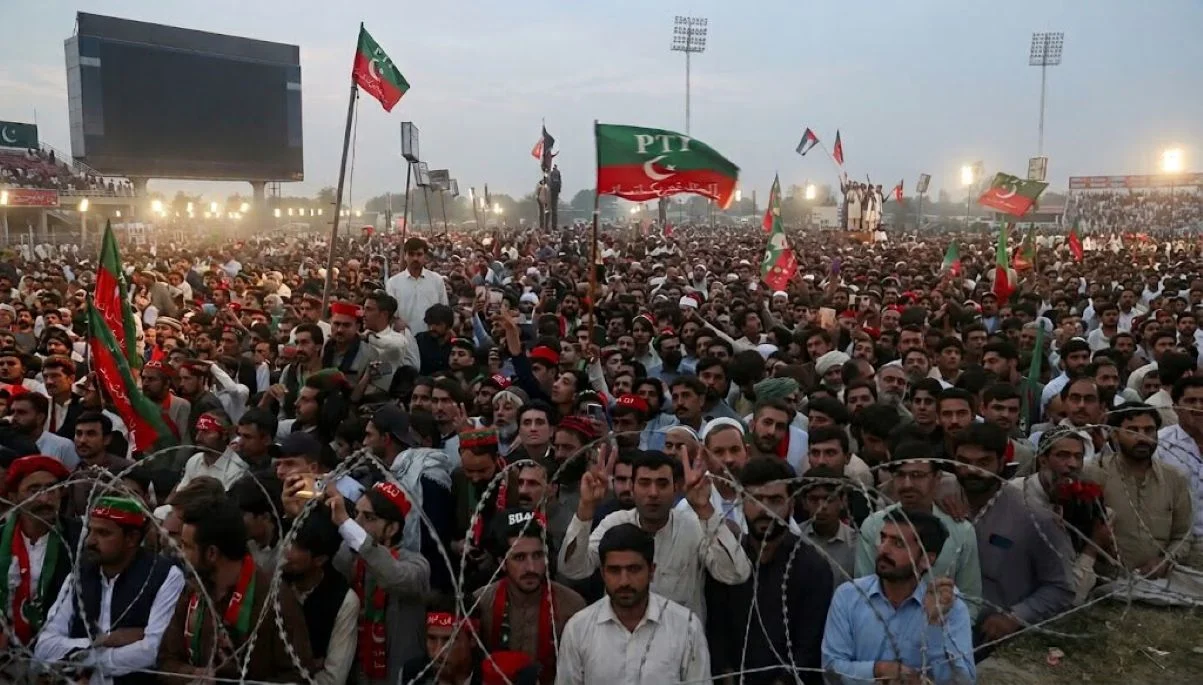
Islamabad: The federal government and PTI have presented competing accounts of why negotiations to ease political tensions and avert the opposition’s march to Islamabad ended without an agreement.
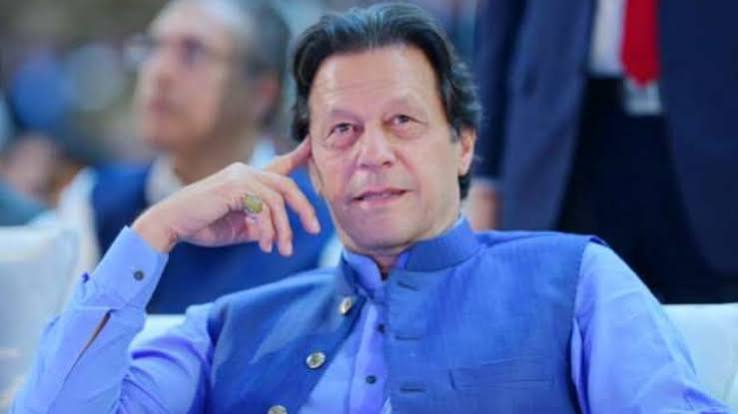
The talks ended early on Sunday after several rounds of drafting failed to resolve differences over counterterrorism cooperation in Khyber Pakhtunkhwa (KP) and PTI’s demand for access to its jailed founder and former prime minister Imran Khan.
Interior Minister Mohsin Naqvi said the KP government had initially agreed to a written agreement and a 72 hour implementation plan covering counterterrorism measures, Afghan refugee policy and reconsideration of the Police Act 2026, but later withdrew from those commitments.
Naqvi said the proposed agreement included condemnation of the banned Fitna al Khawarij and other militant groups, support for the national policy on Afghan refugees, provincial funding for counterterrorism and police operations, and cooperation between the provincial government and security forces.
He said four versions of the proposed agreement had been prepared and claimed that most issues had been settled before changes sought by KP Chief Minister Sohail Afridi led to the deadlock.
PPP Senator Sherry Rehman, who participated in the government’s negotiating team, also said the talks broke down after the KP government declined to sign a draft on counterterrorism cooperation that she said had previously been agreed.
PTI disputed the government’s account. Former National Assembly speaker Asad Qaiser said the central point of disagreement was the opposition’s demand for access to Imran Khan.
Qaiser said the opposition was prepared to withdraw its other demands if PTI leaders were allowed to meet Khan, but claimed the government refused to include the condition in the proposed agreement.
PTI Secretary General Salman Akram Raja offered another explanation, saying disagreement centred on how counterterrorism operations in KP would be formulated and implemented.
Raja said PTI wanted the federal and provincial governments to jointly agree on counterterrorism measures after consultations with political parties represented in the KP Assembly and other stakeholders. He said the government sought provincial endorsement of counterterrorism measures initiated by federal authorities.
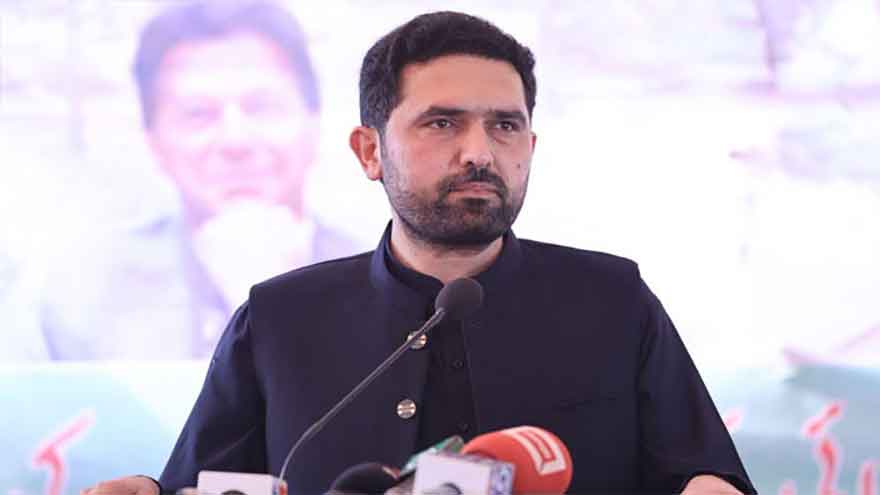
Chief Minister Afridi subsequently released a seven point proposal that included regular engagement between the prime minister and opposition, a joint political negotiation committee, access and medical facilities for Khan and his wife Bushra Bibi, early hearings for political prisoners and the formulation of a federal provincial security strategy within 72 hours.
Afridi said PTI would cancel its march if the federal government provided written assurances it would implement the proposed measures.
PTI also sought access to Khan and requested that his medical treatment include assessment by a medical board involving his personal physicians. According to the party, the government agreed to restore meetings with family members and lawyers but did not accept its additional requests concerning medical care.
Senate Opposition Leader Allama Raja Nasir Abbas said differences remained over access to Khan and his personal doctor, as well as questions concerning security operations and displacement in KP.
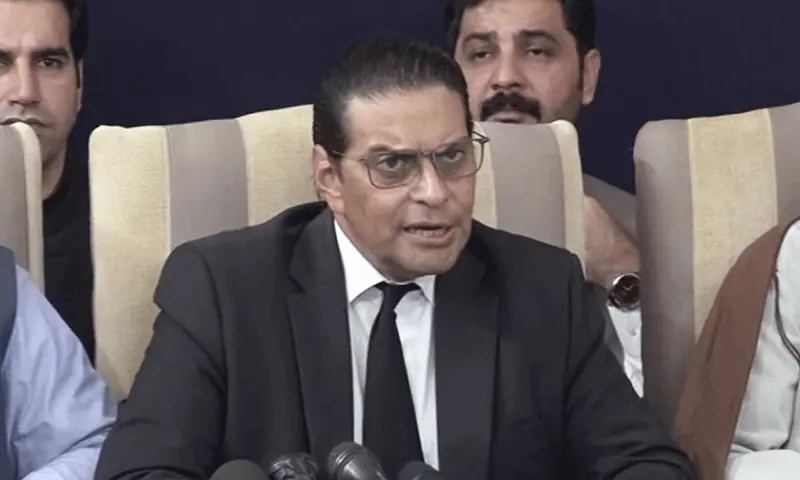
PTI Chairman Barrister Gohar Khan said the march would proceed after negotiations failed, while maintaining that political dialogue could continue.
Prime Minister’s Adviser on Political Affairs Rana Sanaullah said the provincial government had not provided the assurances sought over counterterrorism cooperation. He also said the march would not be allowed to enter Islamabad.
No date has been announced for another round of negotiations.