


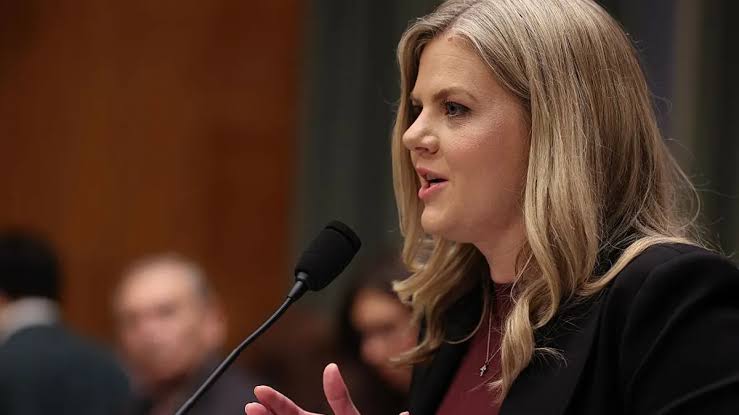
Washington: Dr Heidi Overton, President Donald Trump’s nominee to lead the US Food and Drug Administration (FDA), faced intense questioning from lawmakers during her confirmation hearing before the Senate Health, Education, Labor and Pensions (HELP) Committee on Thursday.
Throughout the session, Dr Overton a preventive medicine physician and current White House domestic policy adviser repeatedly deflected questions on contentious health policies, choosing to cite existing legal frameworks rather than detailing her personal medical or regulatory stances.
When pressed by Senator Patty Murray (D Wash.) on whether she agreed with the safety and efficacy of the abortion pill mifepristone, Dr Overton offered a measured response:
Mifepristone was approved by the FDA as having met its safety and efficacy standard.
Dr Overton previously described medication abortion as "dangerous to women" during her tenure at the conservative think tank America First Policy Institute. Her appointment comes as Republicans, led by committee chairman Senator Bill Cassidy (R La.), pressure the administration to restrict access to the drug by rolling back Biden era regulations that permitted telemedicine prescriptions and mail delivery.
The hearing also highlighted sharp divides over public health communications. Asked about President Trump’s claims describing the measles vaccine as "lethal" made during an executive order announcement aimed at reducing childhood vaccine recommendations Dr Overton repeatedly affirmed that the MMR vaccine is "safe and effective" and the "best tool" to combat outbreaks, whilst declining to directly challenge the President's phrasing.
Senators also challenged Dr Overton on the FDA’s decision in May to authorise several fruit flavoured vaping products a move that prompted the resignation of former FDA Commissioner Dr Marty Makary. Dr Overton maintained that the authorisations were guided by career FDA scientists evaluating smoking cessation evidence, whilst pledging that curbing youth access and cracking down on illicit imports remained central agency priorities.