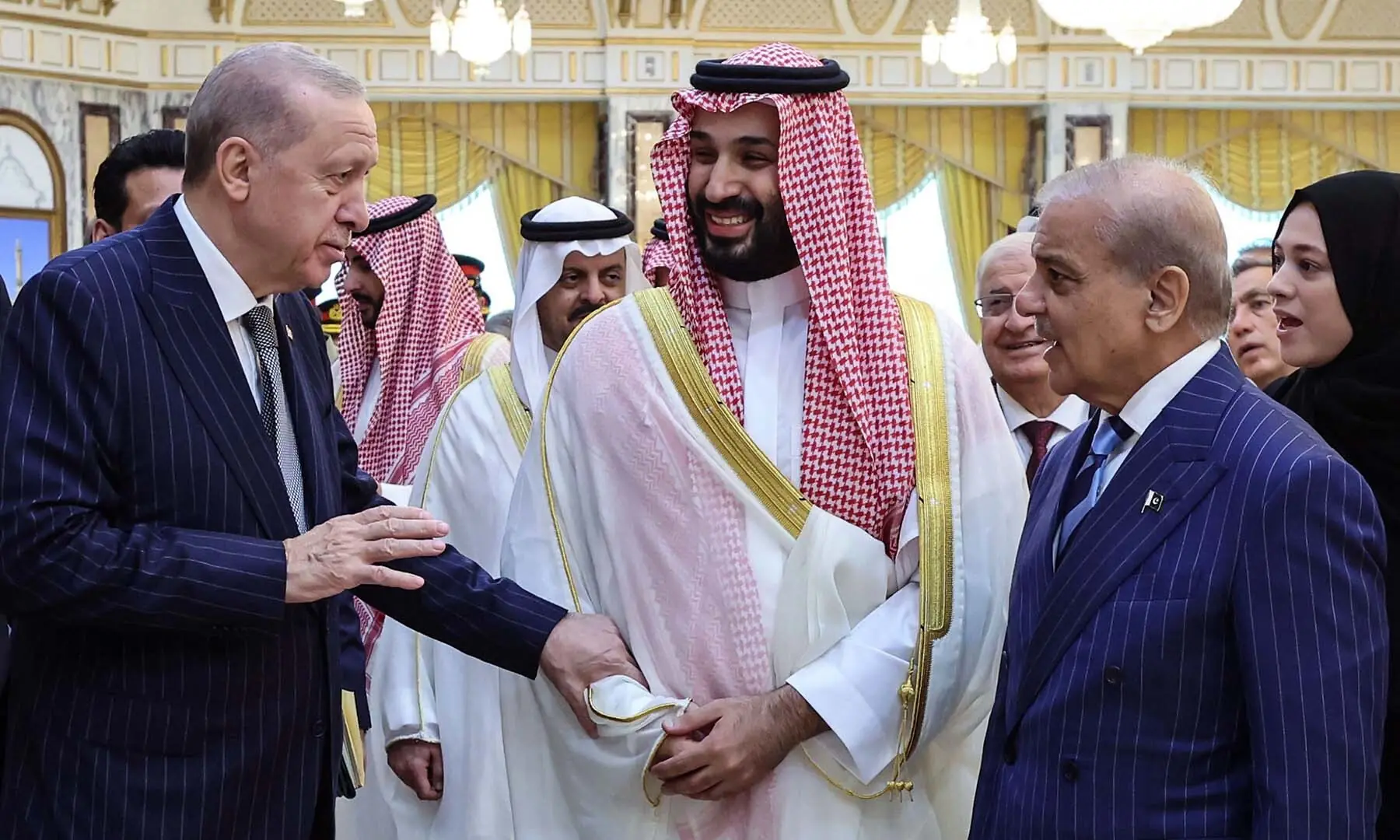
Islamabad: Turkish President Recep Tayyip Erdogan on Friday, November 27, formally approved the Makkah Joint Defence Agreement with Pakistan and Saudi Arabia, completing Ankara's ratification of the pact as the three countries began talks in Islamabad on implementing their collective defence commitments.
The approval was published in Turkiye's Official Gazette under Presidential Decision No. 12017, following the Turkish parliament's ratification of the agreement on November 5. The pact, signed in Makkah on August 7, establishes a collective defence arrangement under which an armed attack against one member is considered an attack against all three.
The agreement provides for assistance through available means, including military support, in accordance with the countries' domestic laws and procedures. Erdogan's approval completes the ratification process, allowing the three governments to move towards implementing the defence framework.
Islamabad hosts talks on implementing defence pact
The ratification coincides with the third meeting of the alliance's Strategic Political and Defence Committee (SPDC), being held in Islamabad on November 27 and 28. The committee brings together the foreign and defence ministers and military chiefs of Pakistan, Saudi Arabia and Turkiye.
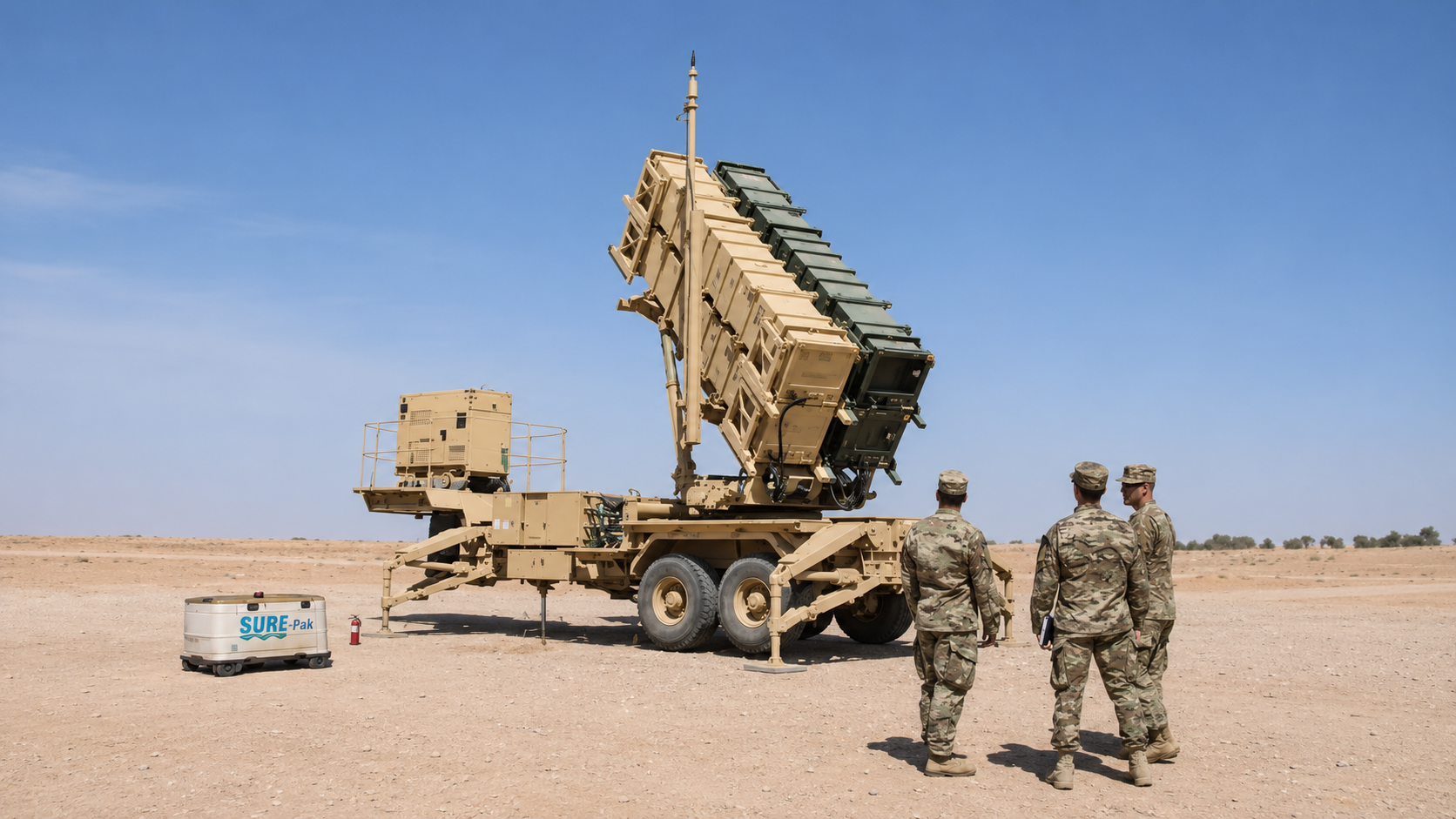
Officials are expected to discuss standard operating procedures, coordination between defence institutions and mechanisms for implementing commitments made under the agreement. The talks will also examine arrangements for deploying military personnel and equipment in the event of a threat to a member country.
Defence Minister Khawaja Asif said on Thursday that the conflict involving Saudi Arabia and Yemen's Houthi movement would feature on the agenda. He said the continuing unrest south of Saudi Arabia required attention from the alliance, given its collective defence obligations.
The meeting follows previous sessions in Istanbul on August 31 and Riyadh on October 5, where the three countries discussed establishing the alliance's institutional structure.
Authorities declared a public holiday in Islamabad on Friday and imposed movement restrictions for the visiting delegations. A local holiday was also announced in Rawalpindi.
Turkiye's approval opens path for military cooperation
The completion of ratification provides a basis for Turkiye to extend military support to Saudi Arabia under the terms of the agreement. However, the pact's approval does not automatically authorise the deployment of Turkish troops.
Any deployment would remain subject to national laws and the approval procedures applicable to military operations abroad. A lawmaker from Erdogan's governing party told Reuters last month that the government intended to seek parliamentary authorisation for deploying military personnel to Saudi Arabia under the agreement.
No deployment under the trilateral framework has been announced. The three countries have also yet to publicly define the composition of forces, command arrangements and procedures for activating their collective defence obligations.
The Islamabad meeting is intended to address some of these questions and establish how political and military decisions would be coordinated during a security crisis.
Houthi attacks add urgency to alliance discussions
The latest developments come amid fighting between Saudi Arabia and Yemen's Houthi movement, also known as Ansar Allah. On Thursday, the Saudi led coalition announced military operations against 50 Houthi targets across Sanaa, Hodeidah and Saada provinces.
The strikes followed an attack on an oil refinery in Jazan, southwestern Saudi Arabia, which Saudi authorities blamed on the Houthis. The Saudi Energy Ministry reported that a Nepalese worker was killed and several others injured in the attack.
The coalition said it subsequently destroyed a ballistic missile launch platform in Hodeidah allegedly used to target the refinery. The exchanges have raised questions about how the trilateral agreement would operate if attacks against Saudi Arabia continued.
Asif has maintained that a threat to Saudi Arabia would also be considered a threat to Pakistan and Turkiye under the pact. However, Turkiye has previously emphasised the defensive nature of the agreement and exercised caution over involvement in combat operations in Yemen.
The distinction between providing military assistance and participating directly in a conflict remains an issue for the alliance to address.
Regional tensions complicate defence commitments
The agreement comes against a backdrop of confrontation involving Iran, Israel and the United States. Pakistan maintains defence relations with Saudi Arabia and Turkiye while also seeking to preserve diplomatic engagement with Iran, with which it shares a border.
Islamabad has participated in mediation efforts between Tehran and Washington following their military confrontation earlier this year. Asif has acknowledged that diplomatic efforts remain uncertain despite attempts to reduce tensions.
He has also declined to specify how the alliance would respond to a direct Iranian attack on Saudi Arabia, highlighting questions surrounding the scope of the defence commitments.
For Pakistan, the challenge lies in meeting obligations under the pact while maintaining its relationships with neighbouring countries and avoiding involvement in conflicts beyond its security priorities.
Turkiye faces questions over the extent to which its armed forces could become involved in regional operations, particularly in Yemen.
Alliance yet to finalise military framework
The Makkah Defence Alliance has established a secretariat in Riyadh to coordinate its activities. Retired Pakistani Lieutenant General Nauman Mahmood has been appointed its first secretary general for a three-year term, while a working committee comprising officials from the member countries has also been formed.
At an emergency meeting in Riyadh on October 5, the SPDC called for progress towards implementing collective defence commitments, including arrangements for deploying agreed forces and capabilities.
Despite those decisions, the alliance has not yet publicly announced a unified military command or detailed procedures governing the use of force. Erdogan's approval removes the remaining ratification requirement, shifting attention to how the agreement will operate in practice.
The outcome of the Islamabad meeting will therefore be measured by progress on command arrangements, decision-making procedures and the conditions under which members would provide military assistance.
With fighting continuing in Yemen and tensions affecting the wider Middle East, the three governments face the task of turning their defence commitments into arrangements that can be implemented without expanding existing conflicts.