Sanna: 11 civilians, including children, were reportedly killed in Yemen's southwestern Taiz governorate on Friday, as renewed fighting between Saudi backed forces and the Houthi movement intensified across the region.
Houthi affiliated media blamed a Saudi air strike for the deaths, while local authorities aligned with Yemen's internationally recognised government disputed the account and accused the Houthis of carrying out the attack.
According to the Houthi run Saba news agency, Saudi warplanes struck a residential building in Al Turbah, south of Taiz city, killing 11 people, most of them children.
The agency, citing a local source, reported that rescue workers recovered eight bodies from the rubble, while three people remained missing.
The circumstances of the attack could not be independently verified. Local authorities in Taiz denied that an air operation took place in the area on Friday and instead blamed Houthi shelling for the civilian casualties.
The competing accounts emerged as Saudi Arabia and the Houthis exchanged further attacks, targeting areas in Yemen and Saudi territory.
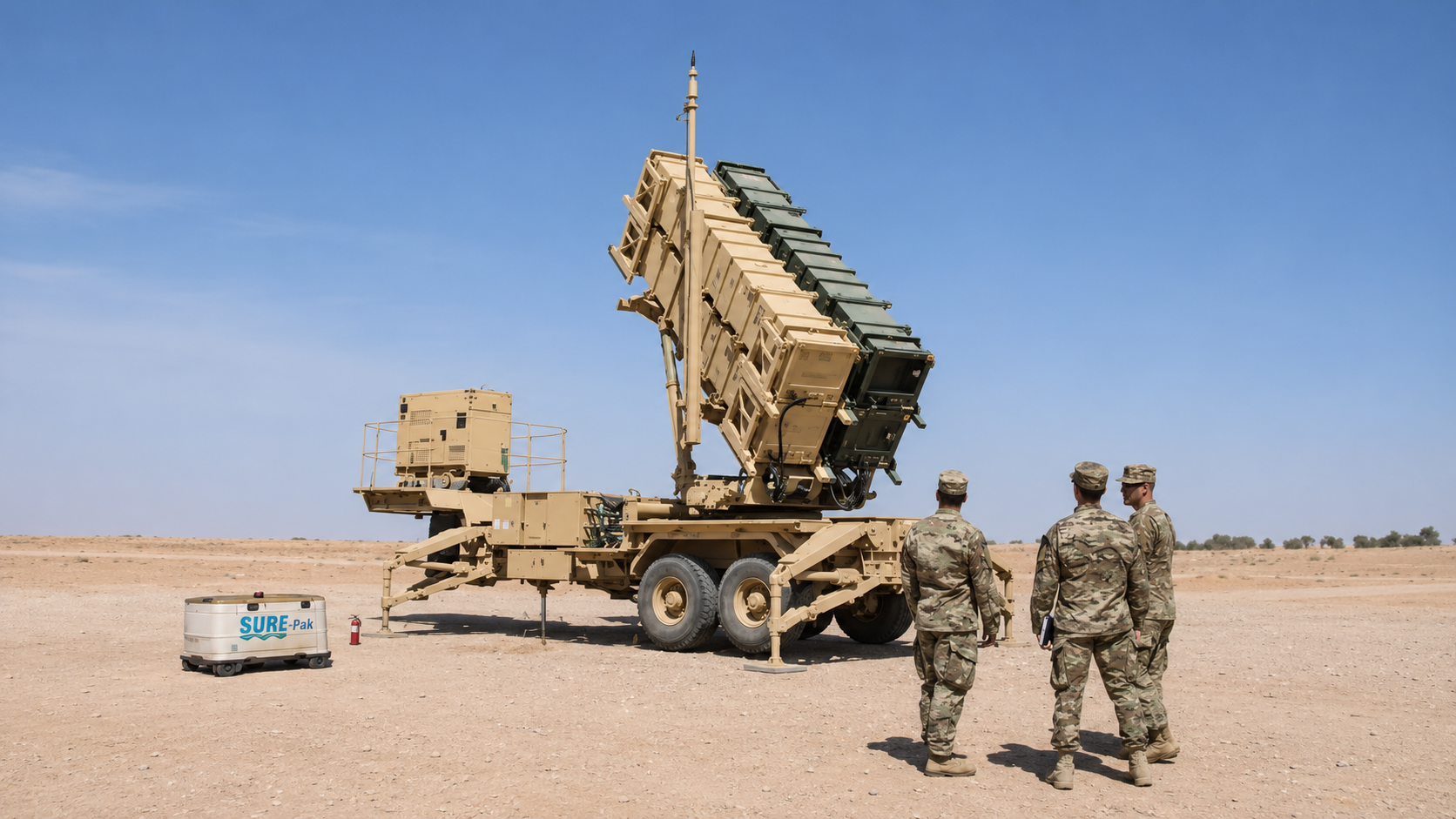
On Saturday, Saudi Arabia announced that its air defence systems intercepted and destroyed a cruise missile launched towards the capital, Riyadh.
Saudi led coalition spokesperson Turki Al Malki said the missile was launched by the Houthi movement towards the Riyadh region. Authorities did not immediately report casualties from the interception.
Meanwhile, Houthi affiliated media reported additional Saudi strikes on Yemen's capital, Sanaa, which remains under the group's control.
According to Saba, an attack on the Bir Abu Shamlah residential neighbourhood in Sanaa's Al Tahrir district damaged eight homes and three shops.
The Houthi run Almasirah television channel reported that 13 people were wounded in the attack. The casualty figures could not be independently confirmed.
The latest exchanges followed a series of attacks on Saudi energy infrastructure and other facilities.
On Thursday, Houthi forces targeted an oil refinery in Saudi Arabia's Jazan region. The attack came amid a broader campaign involving strikes on oil installations, airports and locations in Riyadh.
Saudi led forces carried out repeated air operations against Houthi-controlled areas since fighting intensified again in July.
Yemen's conflict began escalating in 2014 when the Houthis seized Sanaa and other parts of the country. Saudi Arabia subsequently led a military coalition into Yemen in March 2015 in support of the internationally recognised government.
A ceasefire negotiated in 2022 reduced large scale hostilities, but renewed fighting this year undermined those gains and increased pressure on the civilian population.
According to the World Health Organization, more than 13000 people were killed or injured in the renewed violence since August.
Humanitarian organisations warned that continuing hostilities are worsening displacement, disrupting access to essential services and placing additional pressure on already underfunded relief operations.
The Food and Agriculture Organization and the World Food Programme identified Yemen among conflict affected countries facing severe food insecurity.
With strikes continuing on both sides of the Saudi Yemeni border, the latest developments raised further concerns about civilian protection and the deteriorating humanitarian situation.