
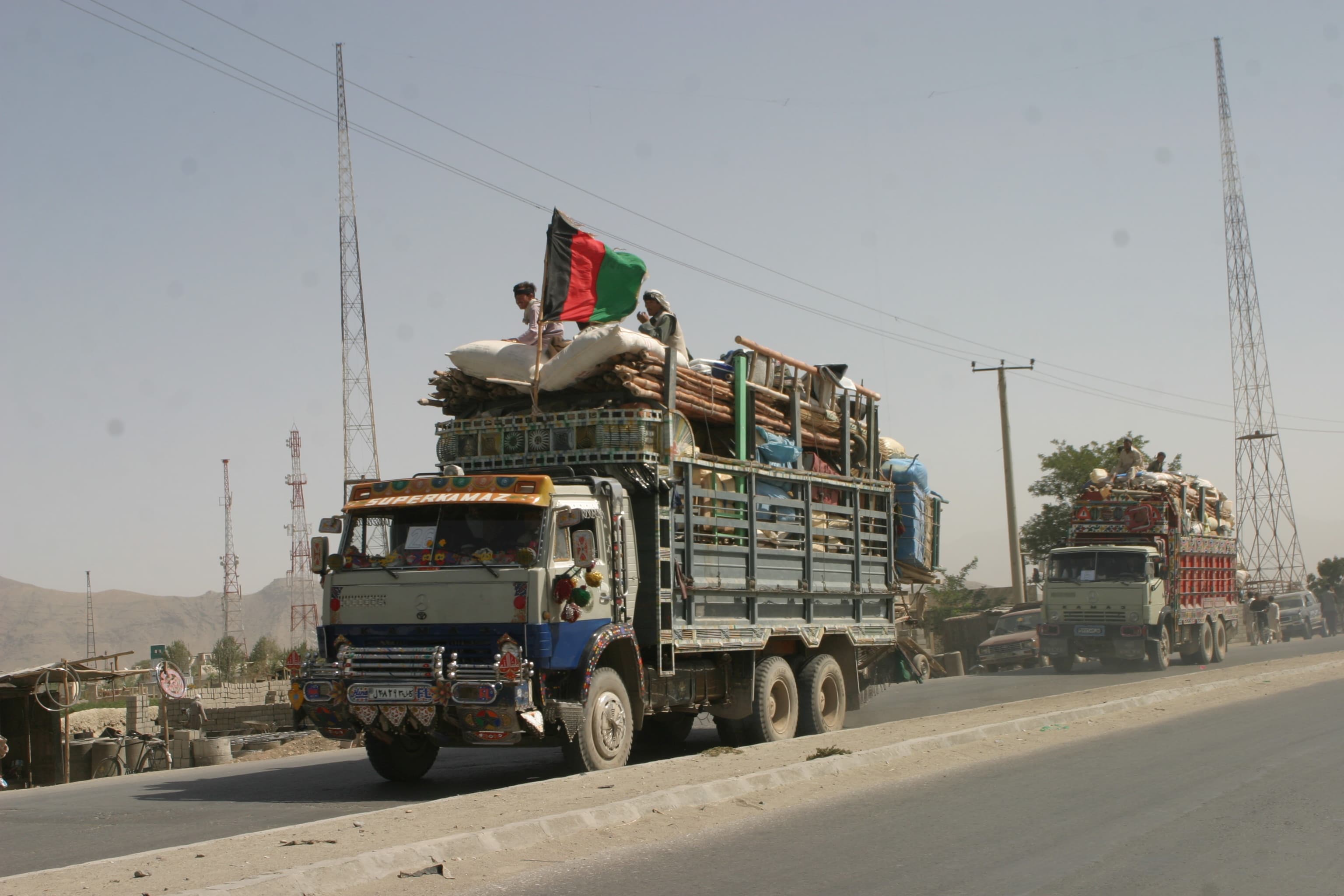
Islamabad: More than 355,000 Afghan refugees have been repatriated from various countries this year a UN spokesman said Tuesday including nearly 304,000 from Pakistan and Iran alone. Many of those returning from Iran did so spontaneously, meaning they were not assisted by the UNHCR or prompted by the Iranian government to leave.
This is not the case in Pakistan where since 2023 the government's Apex Committee instituted a phased plan to repatriate over one million undocumented foreigners, the majority of whom are Afghans.
Pakistan is host to the largest population of Afghan refugees in the world, with 1.5 million registered as recently as 2021. The UNHCR estimates that as many as 169,000 undocumented refugees remain in the country and believes that as many as 600,000 fled Afghanistan and crossed the border after the events of 2021 that saw the end of the American sponsored regime in Kabul.
Pakistan has struggled for years to register and document refugees who have been in the country since the protracted civil war that began in the 1980's and at the beginning sent over three million Afghan's across the border seeking shelter. Almost 1.8 million went back in 2002, after the overthrow of the Taliban regime by US forces.
Still, the UNHCR believes there were 1.2 million Afghans of different status in Pakistan at the start of this year, at least 776,000 of whom are registered refugees. Both Iran and Pakistan also have large numbers of Afghan nationals who are not considered refugees. That includes around 665,000 Afghan Citizen Card holders.
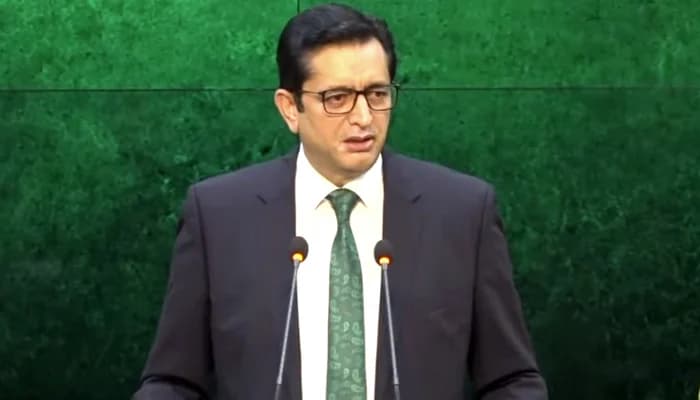
"Despite ongoing security problems in parts of the country and tremendous development and economic needs, Afghan refugees are still going back in significant numbers," said UNHCR spokesman Kris Janowski at a news briefing in Geneva on Tuesday.
There are also significant humanitarian concerns because of the fragile state of Afghan society after almost 40 years of continuous war and the tenuous grip of the ruling Taliban on certain parts of the country. Environmental concerns and other natural disasters such as an earthquake in the Kunar Province in August 2025 that killed over 200 people have made humanitarian relief critical and raised concerns about feeding and clothing so many returnees.
Last week, more than 14,000 Afghan refugees returned home according to the UNHCR and the agency said that they recently recorded as many as 20,000 refugees repatriating weekly. A spokesman described the pace of returns as still "significant."
The refugee agency is also helping Afghans to return from further afield. So far this year, more than 370 refugees went back from 14 other countries, including Cambodia, Brazil, Ukraine and Malaysia. Afghans also returned from the five adjacent Central Asian states: Uzbekistan, Tajikistan, Turkmenistan, Kyrgyzstan and Kazakhstan.