Washington: US President Donald Trump has said he wants a permanent agreement preventing Iran from acquiring nuclear weapons, while Tehran has demanded guarantees against another war before advancing negotiations with Washington.
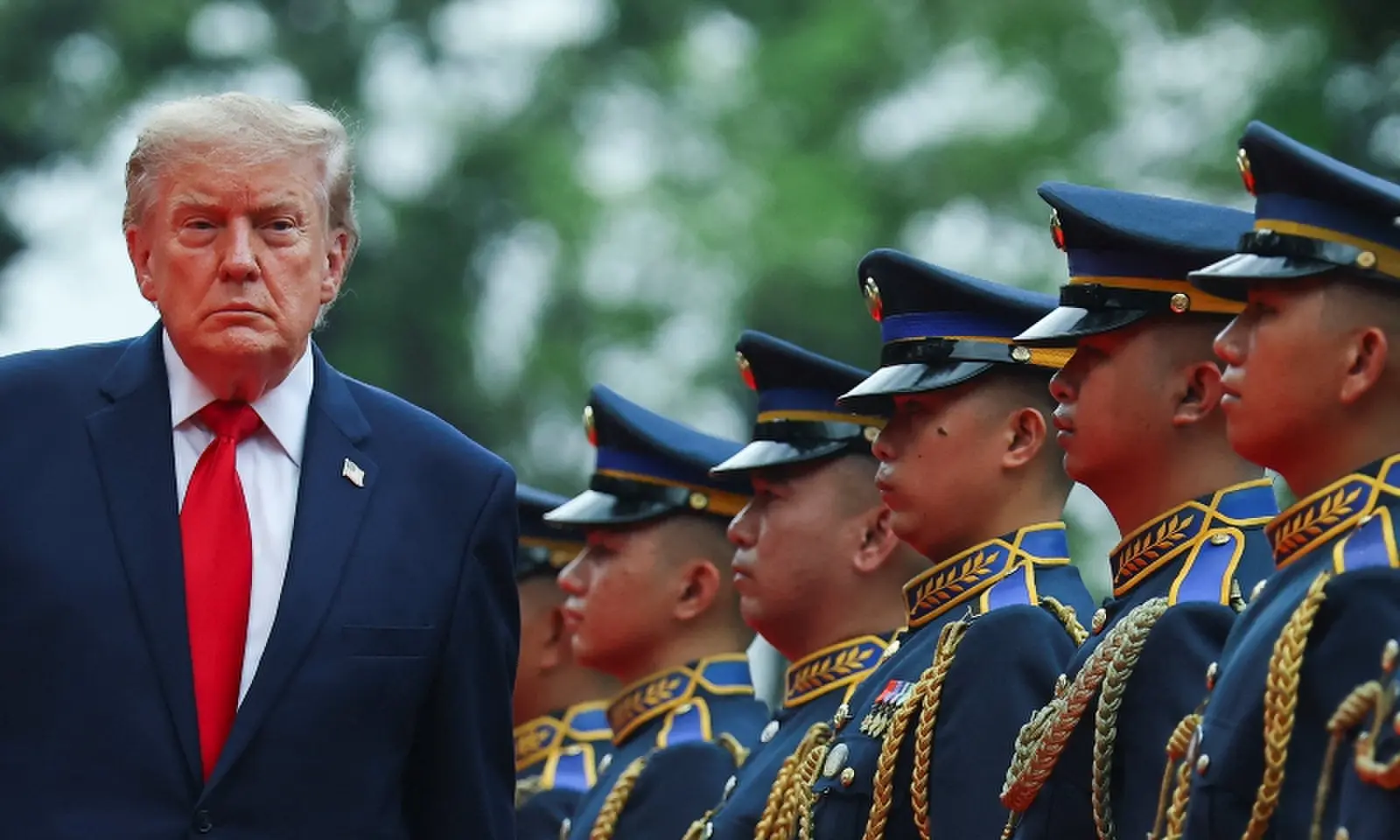
Speaking to Fox News on Saturday, November 21, Trump said any agreement should prevent Iran from developing nuclear weapons regardless of which administration takes office in the United States.
He accused Tehran of failing to honour previous agreements and said he wanted a deal that could not be reversed by a future American president.
Trump also addressed questions about regime change in Iran, suggesting that changes in the country's leadership had already occurred during the conflict. He said the Iranian officials currently involved in discussions appeared more willing to negotiate, although reaching an agreement remained difficult.
His remarks came as Iran's Foreign Minister Abbas Araghchi confirmed that messages were continuing to pass between Tehran and Washington through mediators. In an interview with Iranian state media, Araghchi said his government wanted an agreement that would prevent a return to military conflict.
He said Tehran was seeking guarantees that Washington intended to negotiate and would honour any commitments made under a future settlement. The foreign minister maintained that Iran would not accept conditions that undermined its national interests.
Araghchi also said Iran's negotiating position included retaining its stockpile of highly enriched uranium within the country, a demand that remains a point of disagreement with Washington. The competing positions reflect differences over the scope of a possible agreement.
Washington wants restrictions that would prevent Iran from developing nuclear weapons, while Tehran is seeking assurances against military attacks, relief from sanctions and recognition of its rights under international agreements.
Araghchi said a negotiated solution remained possible, but stressed that Iran would not accept terms it considered incompatible with its sovereignty. He also addressed debate within Iran over whether the country should revise its nuclear doctrine.
According to Araghchi, China and Russia oppose changing Tehran's position, despite calls from some Iranian political figures for a different approach. The foreign minister said the issue had supporters and opponents within Iran but did not announce any change in government policy.
Diplomatic efforts are continuing through Qatar, which has been facilitating communication between the two countries. US envoys Steve Witkoff and Jared Kushner met Qatari officials in Berlin on Thursday, November 19, to discuss mediation efforts, according to Axios.
Araghchi has also identified Pakistan as a channel for exchanging messages between Tehran and Washington.The discussions have included proposals for a ceasefire, reopening the Strait of Hormuz and resuming negotiations over Iran's nuclear programme.
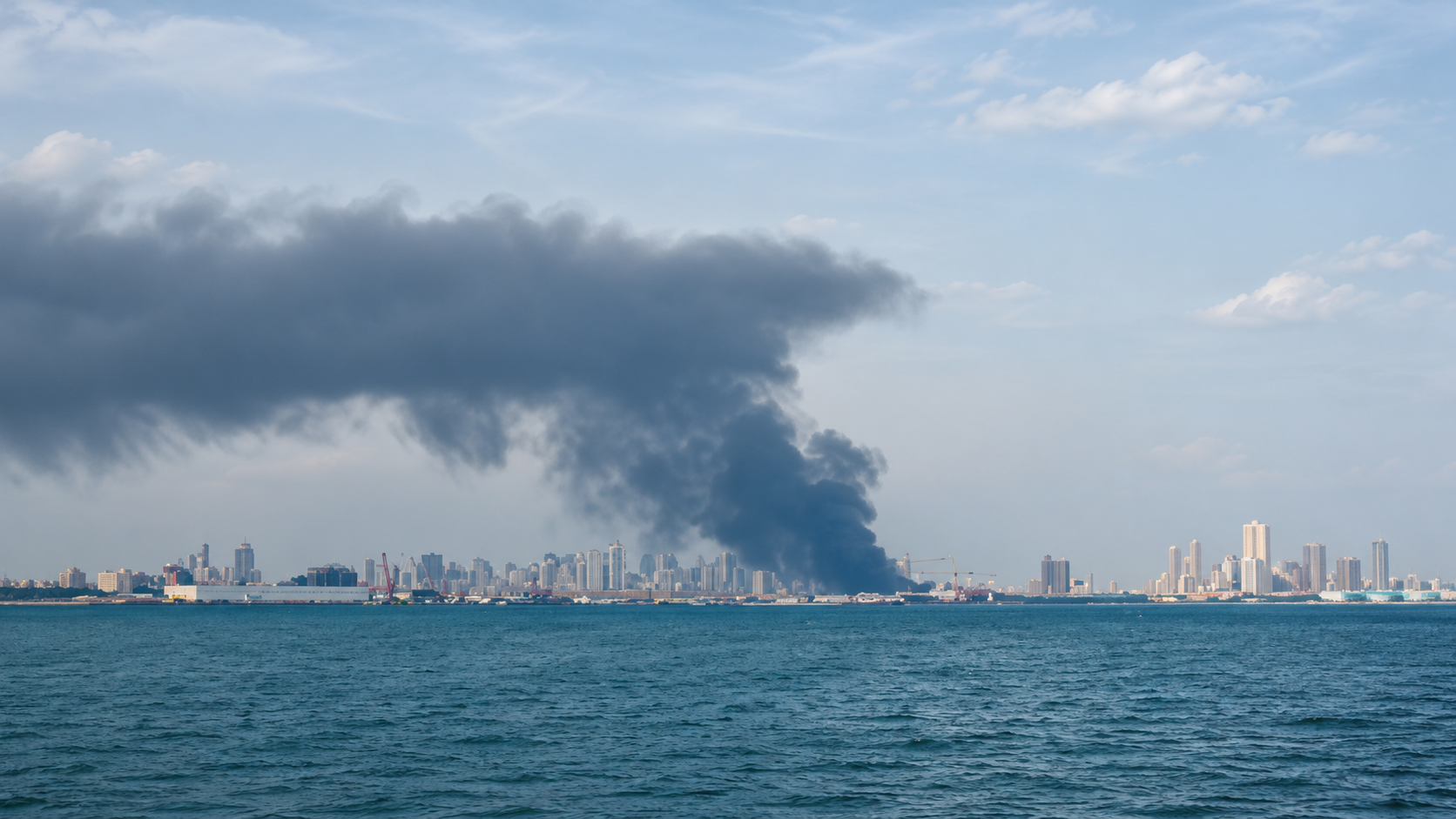
However, no agreement has been announced on the terms of a settlement or the sequencing of those measures. Meanwhile, attacks on commercial shipping continued in the Strait of Hormuz, where two tankers reportedly caught fire following strikes.
The United Kingdom Maritime Trade Operations agency said a tanker travelling out of the strait had been struck at the stern by an unidentified projectile. No casualties were reported in that incident.
Iranian state television also claimed that its forces had shot down a US drone over Qeshm Island, although the claim was not independently verified in the available reports.
The incidents come amid continuing restrictions on shipping through the waterway, which connects the Persian Gulf to international markets and carries oil and gas exports from Gulf producers.
Araghchi said reopening the strait could form part of a settlement if Washington accepted conditions Tehran considered consistent with international law. The conflict, which began following US and Israeli strikes on Iran in February, has disrupted maritime trade and affected energy prices.
The continuing tanker attacks underline the relationship between negotiations over Iran's nuclear programme and the security of shipping routes.
With Washington demanding restrictions on Iran's nuclear activities and Tehran seeking guarantees against further attacks, the mediators face unresolved questions over sanctions, maritime access and enforcement of any agreement.
Neither government has announced a timetable for direct negotiations or confirmed that the latest exchanges have produced a breakthrough.