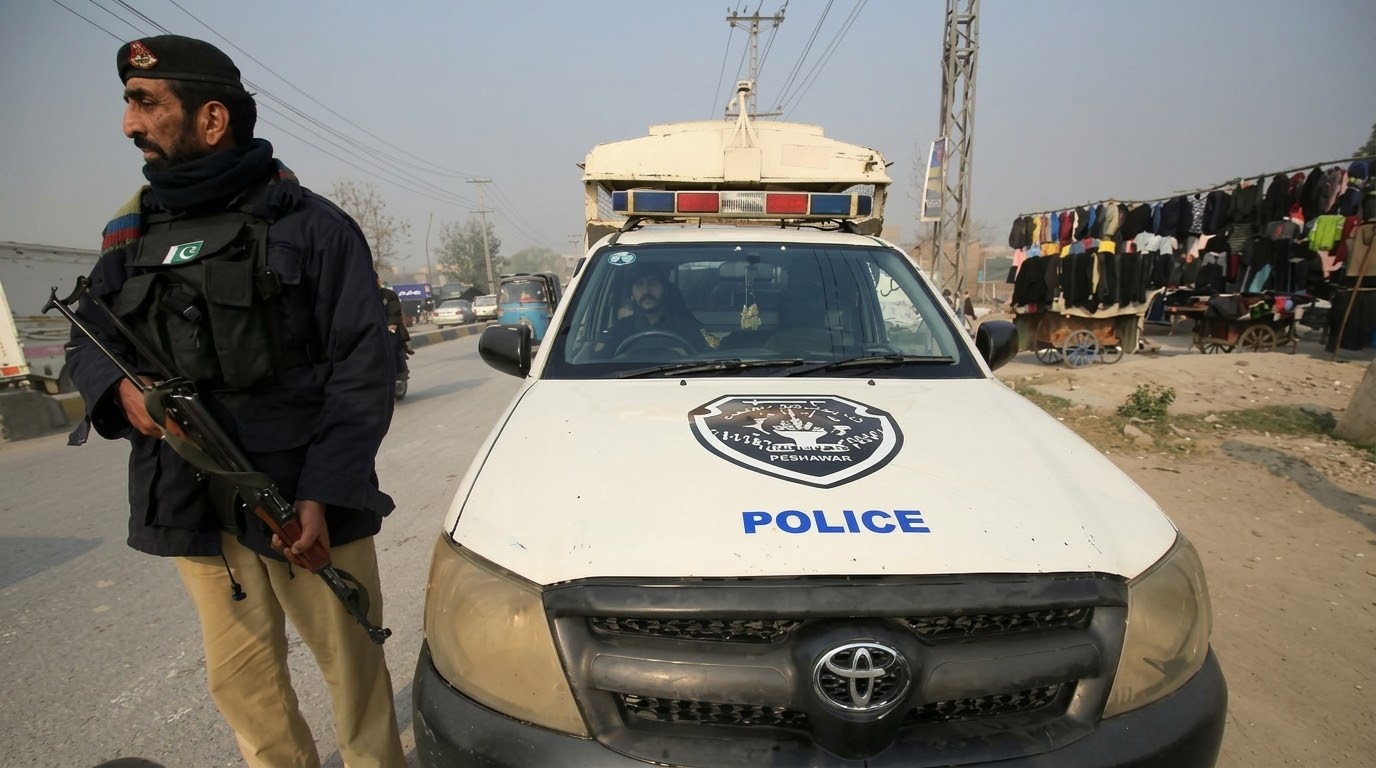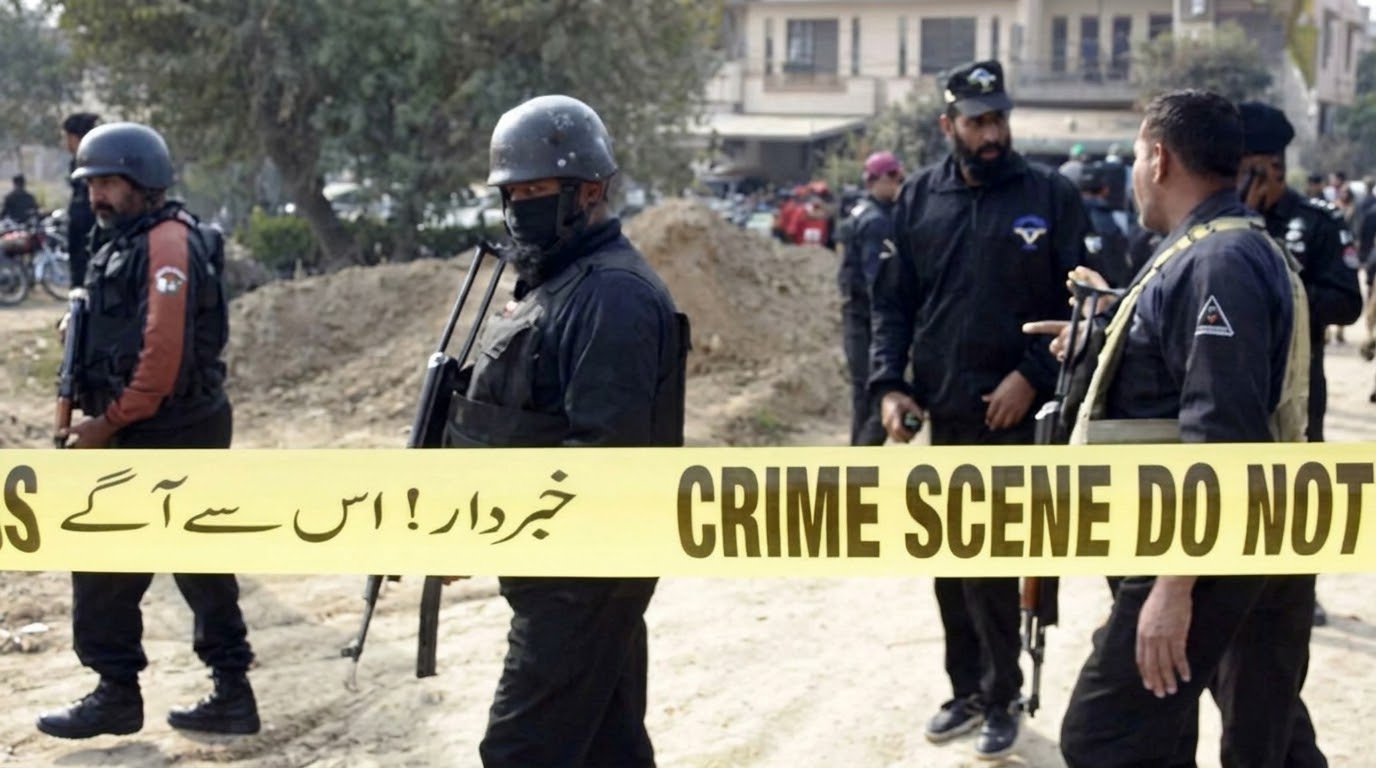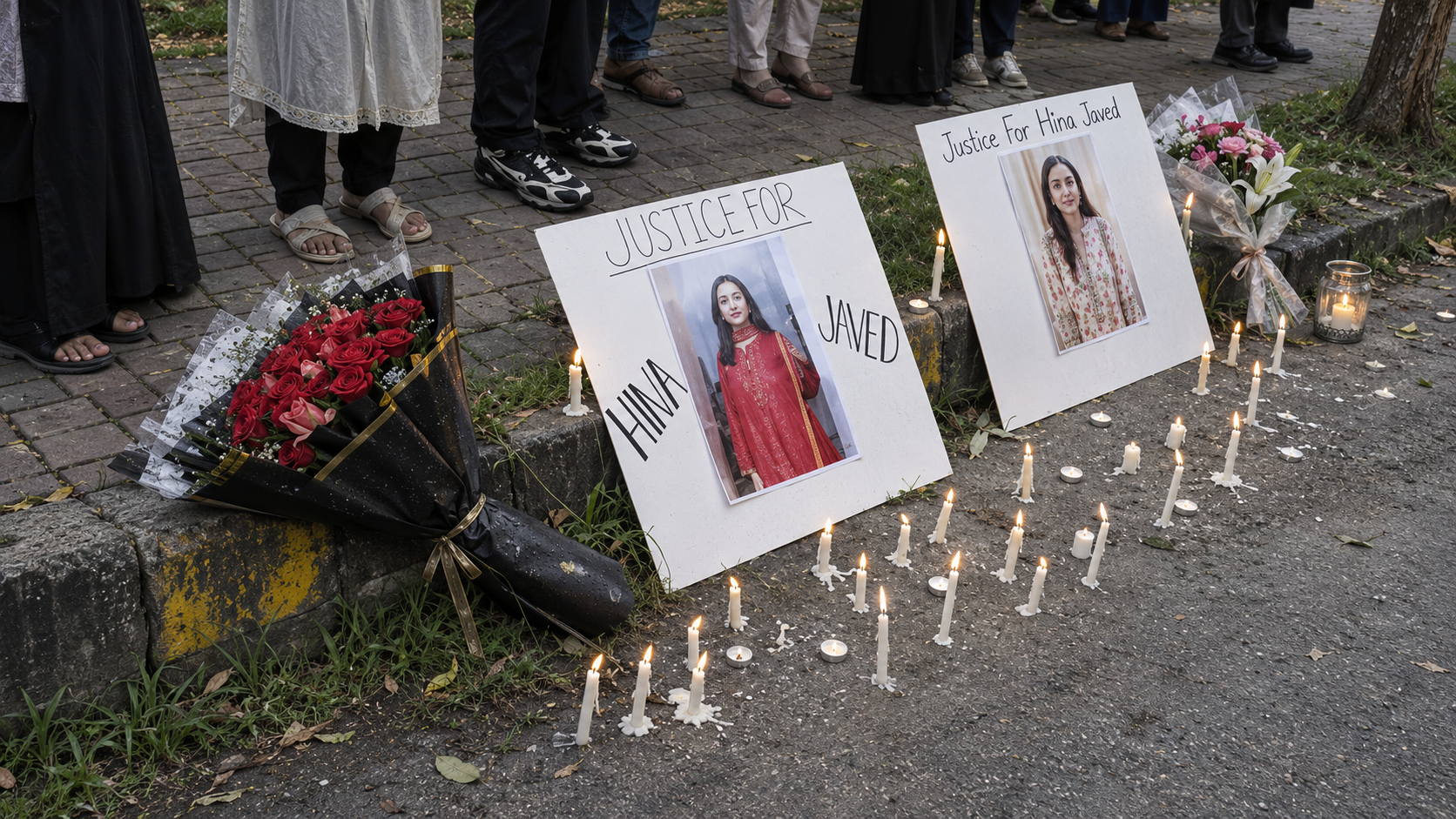
Rawalpindi: Rawalpindi police have submitted the charge sheet in the murder case of digital media executive Hina Javed nearly three months after her death, naming a domestic worker as the accused and finding insufficient evidence to prosecute her husband and father in law.
City Police Officer (CPO) Sardar Ghias Gul confirmed the development during his first meeting with journalists on Saturday, November 21, saying the investigation had been completed and the challan submitted to the court for further proceedings.
Javed, 45, was found dead at an apartment in Rawalpindi's Lal Kurti area on August 20, 2026. Police reported signs of torture and strangulation, prompting a murder investigation in which her husband and a domestic worker were arrested.
According to the investigation, forensic evidence identified the domestic worker, Zeeshan, as the person suspected of carrying out the killing. Police also reported DNA findings indicating that Javed had been sexually assaulted after her death. Section 376 of the Pakistan Penal Code, which deals with rape, was subsequently added to the case.
The forensic findings formed part of the evidence examined by a committee established by the Punjab government to review the investigation. However, the submission of the charge sheet does not establish criminal guilt. The prosecution must present its evidence before the court, which will determine whether the allegations have been proved.
Javed's husband, Faisal Asghar, and her father in law, Ali Asghar, were named in the original first information report. The husband was arrested during the investigation, while the father in law was questioned by police.
The investigation concluded that there was insufficient evidence to proceed against either man. Police placed their names in Column No. 2 of the charge sheet, a category used for individuals whom investigators do not recommend for trial.
The court retains the authority to examine the evidence and decide whether any further proceedings against them are warranted. Earlier forensic reporting had also identified DNA material associated with more than one individual, making the interpretation of the evidence an issue during the investigation.
The case has attracted scrutiny because of delays in the investigation and allegations raised by Javed's family. Her relatives have repeatedly expressed dissatisfaction with the police inquiry and demanded the establishment of a judicial commission to examine the circumstances of her death.
The family alleged that evidence had been tampered with and accused the husband's brother of cleaning a room connected to the investigation. They also raised concerns about the conduct of police personnel.
Those allegations have not been established by a court.
In September, Javed's brother approached the National Commission for Human Rights, seeking intervention over concerns about the investigation and the preservation of evidence.
On October 29, First Lady Aseefa Bhutto-Zardari met members of the family at Parliament and called for their request for a judicial commission to receive consideration.
Punjab Chief Minister Maryam Nawaz had previously referred to DNA and polygraph findings indicating the domestic worker's alleged involvement, while acknowledging that the investigation was continuing at the time.
The provincial government subsequently established a three member committee to review the case. The committee comprised Additional Inspector General of the Crime Control Department Sohail Chattha, DIG Lahore Shoaib Khurram Janbaz and SSP Investigation Rawalpindi Saifullah.
Its members visited the crime scene, questioned the husband and domestic worker while they were in custody at Adiala Jail, and met the victim's family.
The review contributed to the findings subsequently presented by police, although the family's demand for a judicial inquiry remained unresolved. The timing of the charge sheet has also raised questions about the progress of the investigation.
Under Pakistan's criminal procedure framework, police are generally required to submit an investigation report within 14 days of registration of the FIR, with provision for an interim report where an investigation remains incomplete.
In Javed's case, the final challan was submitted approximately three months after her death. During his meeting with journalists, CPO Ghias Gul acknowledged shortcomings in police investigation and prosecution procedures that could affect the outcome of criminal cases.
He said steps would be taken to improve the functioning of the department through personnel appointments and administrative changes. The case will now proceed before the court, where the prosecution's evidence, the police findings and any objections raised by the complainant can be examined.
No trial verdict has been announced, and the court has yet to determine criminal responsibility for Javed's murder.