Manama: Iran launched drone and ballistic missile attacks against US military facilities in Bahrain on Saturday, November 21, as Iranian oil tankers prepared to challenge a US naval blockade of the country's ports, raising the risk of further confrontation in the Gulf.
Iranian media reported two waves of attacks targeting four US bases in Bahrain, which hosts the headquarters of the US Navy's Fifth Fleet. Iran's Fars news agency identified Sheikh Isa and Juffair among the locations targeted, describing the strikes as retaliation for alleged US incursions into Iranian airspace.
Iran's Islamic Revolutionary Guard Corps (IRGC) claimed to have struck two Patriot air defence batteries and a radar system. Neither Bahrain nor the US military confirmed those claims. Bahrain said its air defence systems intercepted several Iranian attacks and instructed residents to seek shelter.
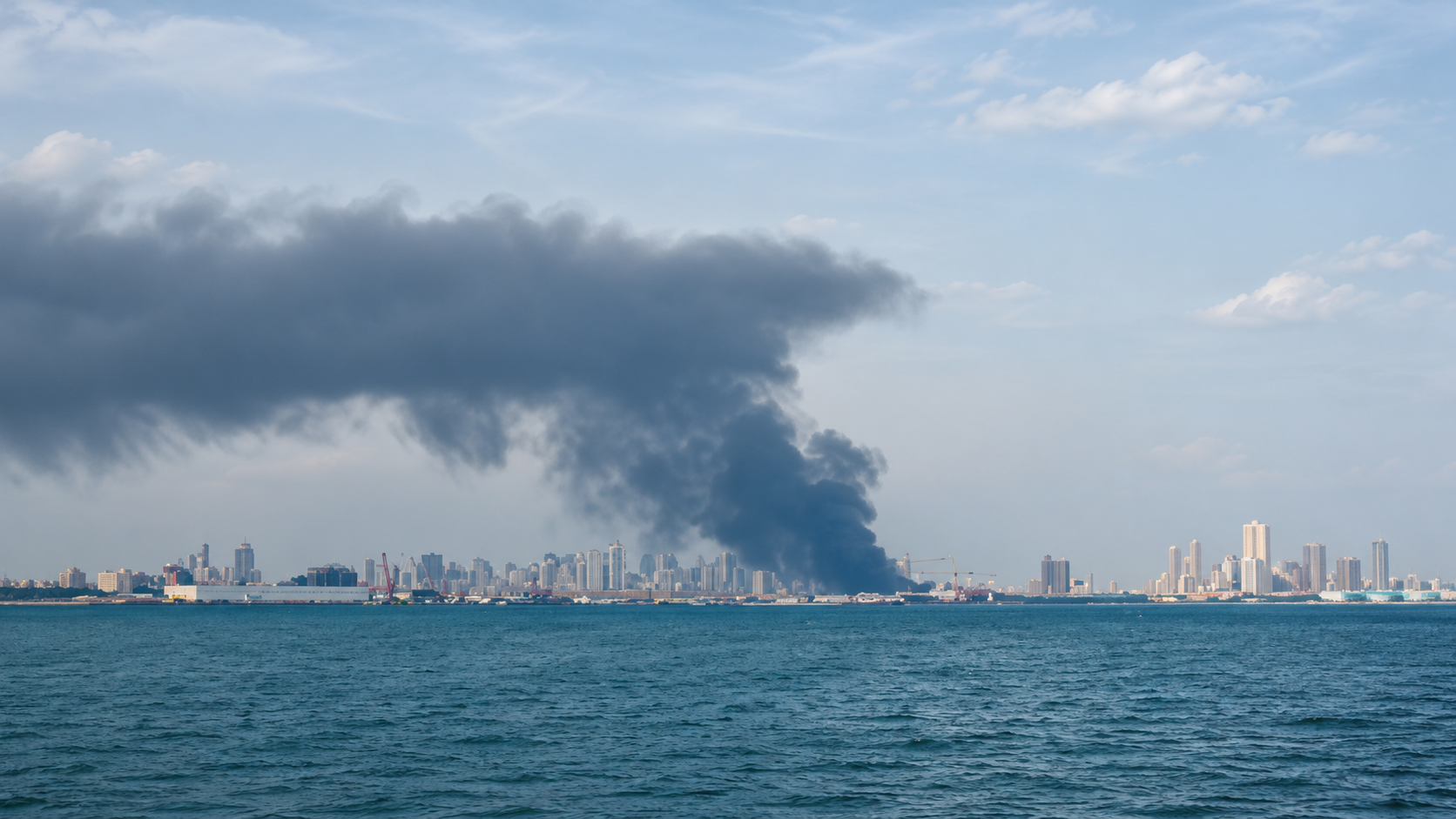
The country's Interior Ministry reported a fire at an industrial compound following the strikes but said no injuries had been reported. Reports from the area described explosions, while footage circulating online showed smoke rising from an unidentified location.
The attacks took place amid growing confrontation between Iran and the United States over the movement of oil tankers through the Persian Gulf and the Strait of Hormuz. Iran has restricted shipping through the strait since US and Israeli strikes in February triggered the conflict. Washington has also imposed a naval blockade targeting Iranian ports, seeking to restrict Tehran's ability to export oil.
The blockade has become a point of dispute because Iran depends on oil exports for revenue, while the Strait of Hormuz serves as a transit route for energy supplies from Gulf producers. At least three oil tankers were attacked in or near the strait on Saturday, according to reports cited by Euronews.
The United Kingdom Maritime Trade Operations agency said two tankers were struck by projectiles while leaving the Persian Gulf. No casualties were reported in those incidents. Iranian state media separately reported that a tanker had struck a naval mine east of the strait and caught fire.
The incidents followed an increase in attacks on commercial shipping during the preceding week. The escalation coincided with reports that more than 14 Iranian tankers were preparing to leave waters near Kharg Island in an attempt to break the US blockade.
Iran's Deputy Foreign Minister Kazem Gharibabadi said Tehran had informed Washington that the tankers would soon sail towards China. He described the blockade as an act of war and warned that Iran would take measures to overcome the restrictions.
Iranian officials also threatened to target energy infrastructure across the Gulf if US forces attempted to stop the convoy.
The reported plan presents Washington with a choice between allowing Iranian oil shipments to pass through the blockade or intervening at the risk of further military confrontation. Despite the fighting, negotiations between Tehran and Washington have continued through Qatar.
Gharibabadi said a Qatari delegation held talks with Iranian officials on Friday evening before returning to Doha.
Iranian Foreign Minister Abbas Araghchi indicated that reopening the Strait of Hormuz could form part of an agreement if Washington accepted Tehran's conditions, including ending the blockade and lifting sanctions.
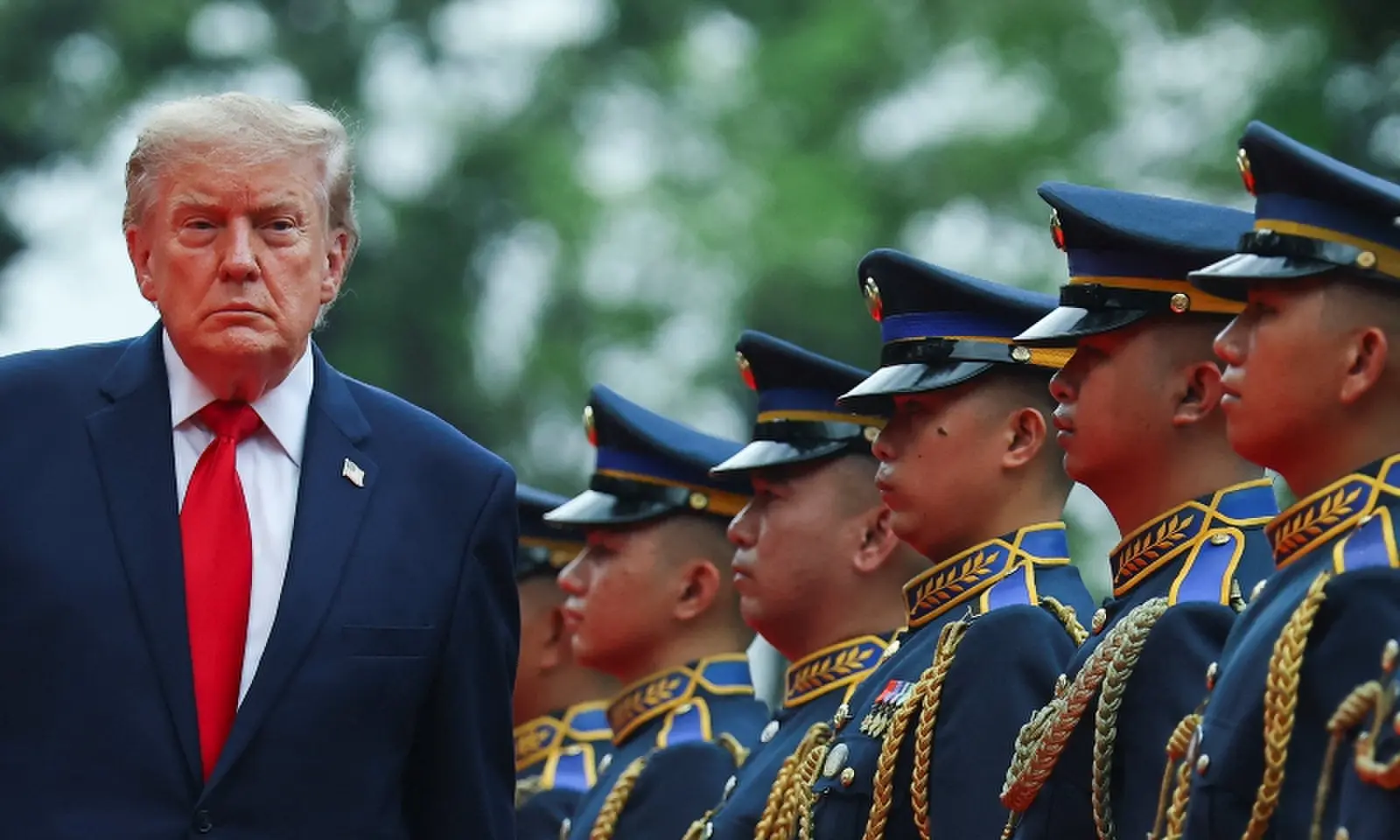
US President Donald Trump, meanwhile, told Fox News on Saturday that he wanted an agreement preventing Iran from acquiring nuclear weapons. He also said regime change in Iran was not his objective.
The diplomatic contacts have yet to produce an agreement on shipping restrictions, sanctions or the wider conflict. The next development could depend on whether Iran proceeds with the planned tanker convoy and how US forces respond.
With Bahrain reporting missile interceptions and commercial vessels continuing to face attacks, the confrontation now involves US military installations, Iranian oil exports and shipping through a waterway used by countries across the Gulf