
A society is also measured by how it treats those without a voice
Perhaps the easiest measure of compassion is how we behave when there is nothing to be gained from being compassionate.
An animal cannot vote for us, promote us, repay a favour or complain to an authority. It cannot explain where it hurts. Most cannot escape the human beings upon whom their food, shelter and survival depend. The power relationship could hardly be more unequal.
And perhaps that is precisely why our treatment of animals says something uncomfortable about us.
Pakistan has witnessed enough incidents of animal cruelty for outrage itself to have acquired a familiar rhythm. A video appears. People are horrified. Social media demands action. Authorities respond. Then another animal suffers somewhere beyond the reach of a camera.
In June 2024, a young camel in Sanghar had her leg brutally severed after reportedly wandering into agricultural land. Barely a year later, another camel, Sumi, suffered a horrifyingly similar fate in Sukkur after drinking from a pond in a landlord’s field. Two suspects were arrested in the latter case and the injured animal was taken to Karachi for treatment.
These cases shocked us because the cruelty was extraordinary.
What should trouble us equally is the suffering that has become ordinary.
Look at the donkey pulling a cart overloaded beyond anything its exhausted body should reasonably carry. The horse standing under a blazing summer sun without shade or adequate water. Animals with open harness wounds continuing to work because the families depending upon them cannot afford to stop.
Pakistan has around 6.1 million equines, about 95 percent of them working animals. They transport bricks, coal, agricultural produce, building material and people. Brooke Pakistan documents overloading, lameness, poor nutrition, harness wounds and long working hours in extreme heat among the recurring welfare problems these animals face.
There is poverty behind some of this, and pretending otherwise would make the argument too easy.
A man whose donkey feeds his children may himself be struggling to buy food. Veterinary care may be inaccessible. Knowledge about animal welfare may be limited. Cruelty born of deprivation is not identical to cruelty inflicted for amusement, punishment or convenience.
But poverty can explain neglect. It cannot make suffering irrelevant.
Neither can public safety.
Pakistan has a serious stray dog problem and dog bites can kill, particularly where rabies prevention and treatment are inadequate. Yet poisoning and shooting dogs has remained part of the response even where courts and policy have pushed authorities towards vaccination and humane population control. In Punjab, reported dog bites exceeded 500000 between 2024 and March 2026. The scale demands an effective public health response; it does not follow that cruelty must be that response.
We have seen institutional failure elsewhere too.
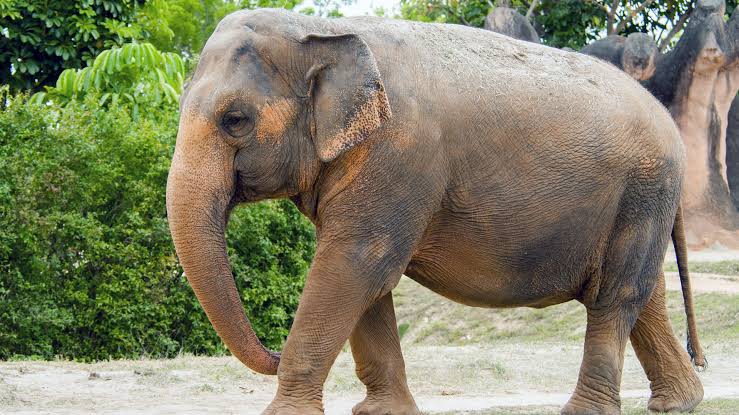
Noor Jehan, the African elephant whose suffering at Karachi Zoo captured national attention before her death in 2023, became a symbol precisely because hers was not merely the story of one sick animal. Her post mortem documented serious health complications associated with inadequate care. The questions raised about expertise, captivity and accountability were therefore much larger than one enclosure in one zoo.
Yet whenever animal welfare is discussed in Pakistan, an objection inevitably appears: we do not even treat human beings properly; why are we worried about animals?
The first half of that sentence is painfully difficult to dispute.
We are a society in which millions of human beings struggle with poverty, inequality, violence and inadequate access to basic services. There are children who go hungry and families unable to afford medical treatment.
But why should one suffering invalidate another?
Compassion is not a finite national budget that must be exhausted on humans before anything can be spared for another living creature. We do not become more committed to human dignity by becoming indifferent to an animal in pain.
In fact, the principles are remarkably similar.
Do not inflict unnecessary suffering. Do not abuse power simply because you possess it. Protect those dependent upon you. Recognise pain even when the person, or creature, experiencing it cannot articulate it in words.
Pakistan is beginning to recognise this institutionally. Khyber Pakhtunkhwa’s 2024 animal welfare legislation replaced colonial era provisions with protections addressing beating, mutilation, abandonment, overburdening and inadequate food, water and shelter.
Organisations and individual rescuers across the country continue doing extraordinary work with resources that are often painfully limited.
But laws can punish cruelty after it occurs. They cannot, by themselves, create empathy.
That requires something deeper: teaching children that frightening an animal is not entertainment; recognising that a working donkey is a living creature before it is an economic instrument; understanding that managing stray populations humanely is not sentimental weakness; and refusing to scroll past suffering simply because we have seen too much of it already.
How we treat human beings matters enormously.
So does how we treat animals.
We should not have to choose which deserves our humanity.
There ought to be enough of it for both.