

Baku: Climate promises often make headlines. The harder part begins when those promises have to become action.
That challenge is at the centre of the fourth UNFCCC Climate Week, being held in Baku, Azerbaijan, from seven to 11 September. The event brings together government representatives, businesses, financial institutions, cities, civil society, youth, academia and international organisations to discuss ways of accelerating climate action on the ground.
Unlike the formal negotiations of a major climate summit, Climate Week is designed to connect the intergovernmental process with practical implementation. Its Implementation Forum, held on nine and 10 September, focused on collaboration and solutions that can be put into practice, including industrial decarbonisation and access to climate finance.
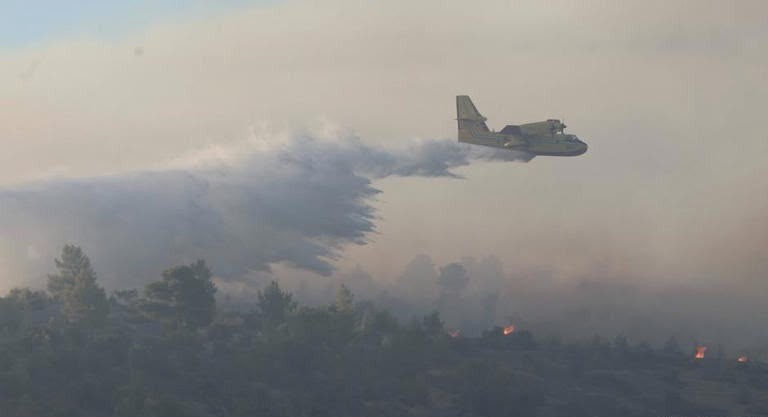
The timing gives those discussions added urgency. Extreme heat, wildfires and other climate related events are increasingly carrying economic consequences alongside their environmental costs. UN climate chief Simon Stiell warned this week that Europe’s intense summer heat and continued dependence on fossil fuels were adding pressure to household and business costs and could contribute to another winter energy crisis.
For developing countries, the implementation challenge is particularly significant. Climate action requires investment, technology, resilient infrastructure and access to finance, while many vulnerable countries are already dealing with the consequences of extreme weather.
The Baku meeting is therefore less about producing another declaration and more about connecting commitments with institutions, businesses and communities capable of delivering them. The UNFCCC describes the Climate Weeks as a way to support implementation of the Paris Agreement by connecting intergovernmental processes with practical climate action.
As Climate Week closes in Baku, its significance will ultimately depend not on the number of discussions held, but on what happens after delegates leave. Climate commitments only become meaningful when they reach the places where people live, work and increasingly face the consequences of a changing climate.